Water Damage Restoration San Dimas, CA
24/7 water damage restoration in San Dimas, CA. The restoration team extracts standing water, dries the structure to the IICRC S500 standard and documents every step for the insurance claim.
(888) 578-6508Water rising? Reach San Dimas dispatch
Water Damage Restoration Services in San Dimas, CA
What the local restoration pros handle, from the first gallon of extraction to the last moisture reading.
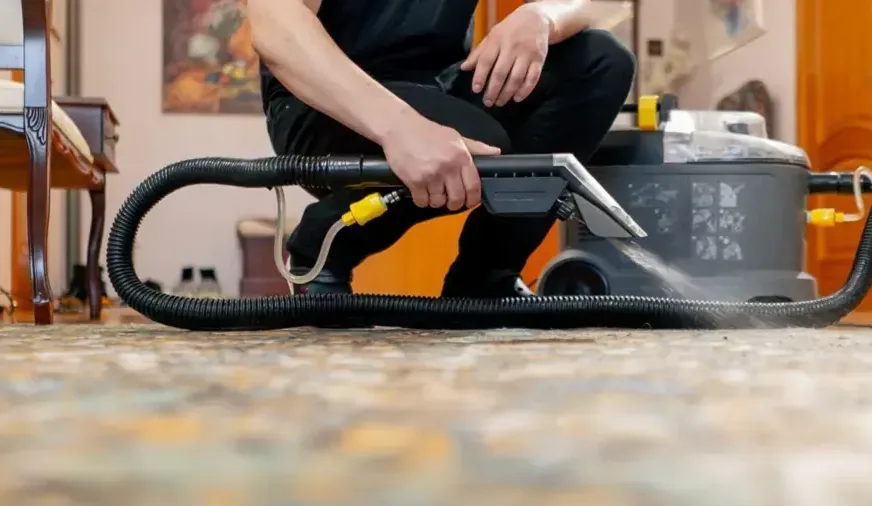 01Water Extraction & RemovalStanding water pumped out with truck-mounted units before it soaks into slab edges and drywall.
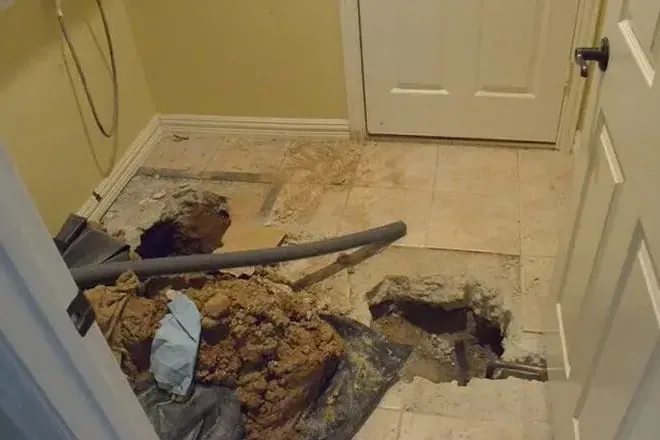 02Slab Leak Water DamageA hidden supply leak spreads beneath flooring; the wet finish, wall base and concrete are mapped and dried.
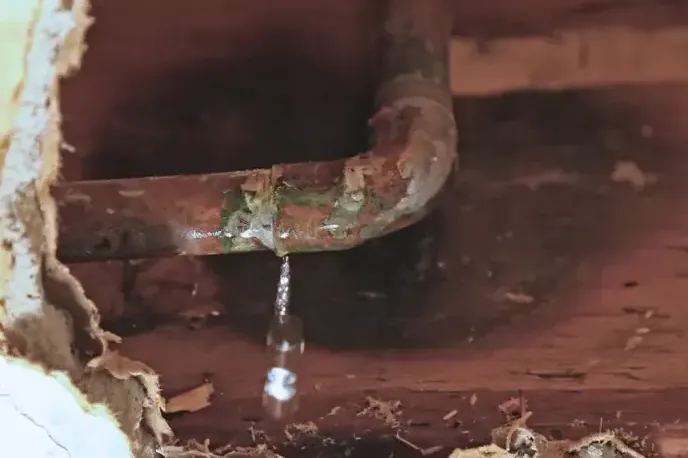 03Burst Pipe CleanupA pressurized line splits behind a wall: extraction first, then every soaked cavity.
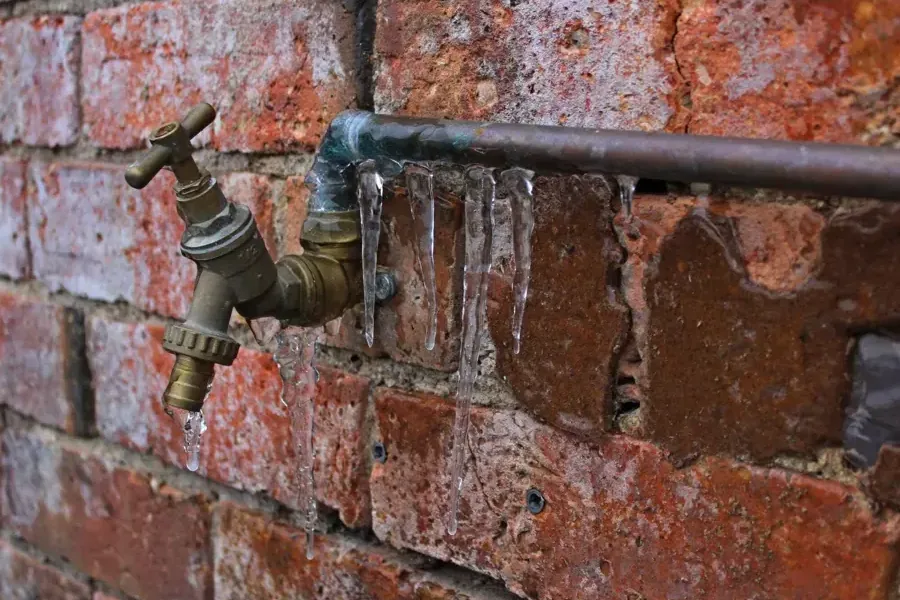 04Frozen Pipe CleanupAn unusual cold snap can split exposed plumbing; the affected wall and floor cavities are mapped and dried.
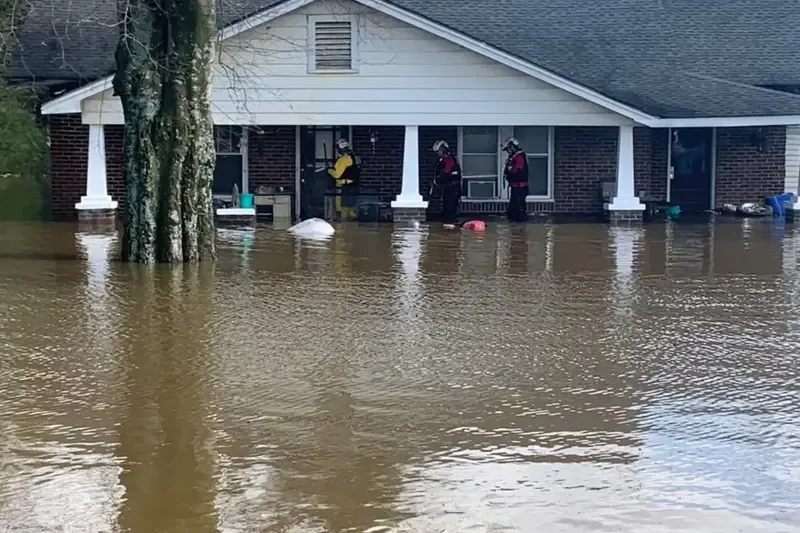 05Flash Flood & Storm Water CleanupSpring cloudbursts and San Dimas Wash high water pushed into homes, treated as contaminated water.
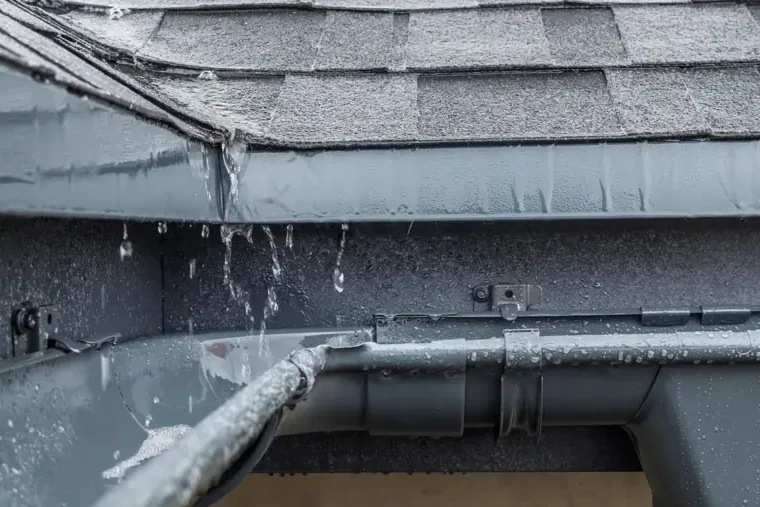 06Roof Leak Water DamageRain enters through roofing, flashing or vents; the drying team handles wet insulation, ceilings and framing.
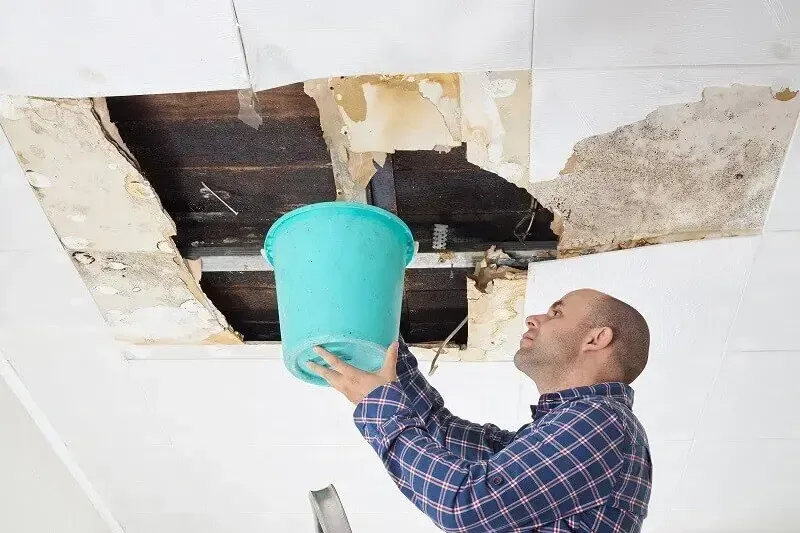 07Ceiling Leak Water DamageWater from an upstairs bath or hidden line that sags drywall and threatens the fixtures below.
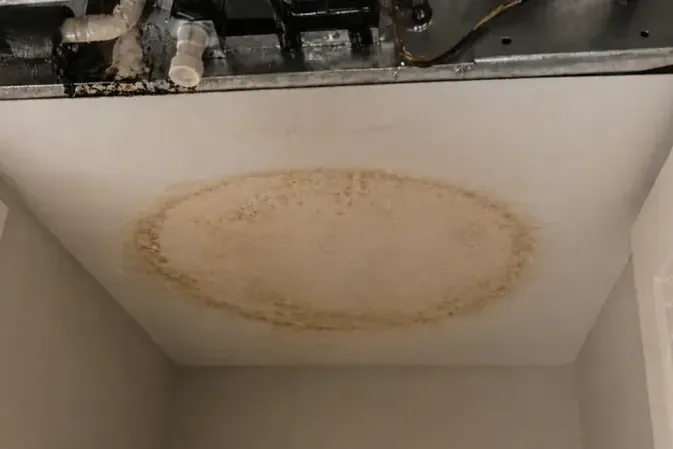 08AC Drain Line Leak DamageA clogged condensate line or full drain pan above the ceiling, dried before the stain spreads.
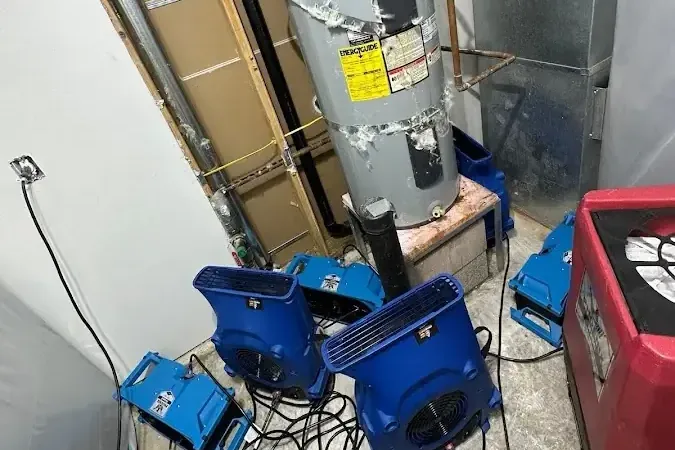
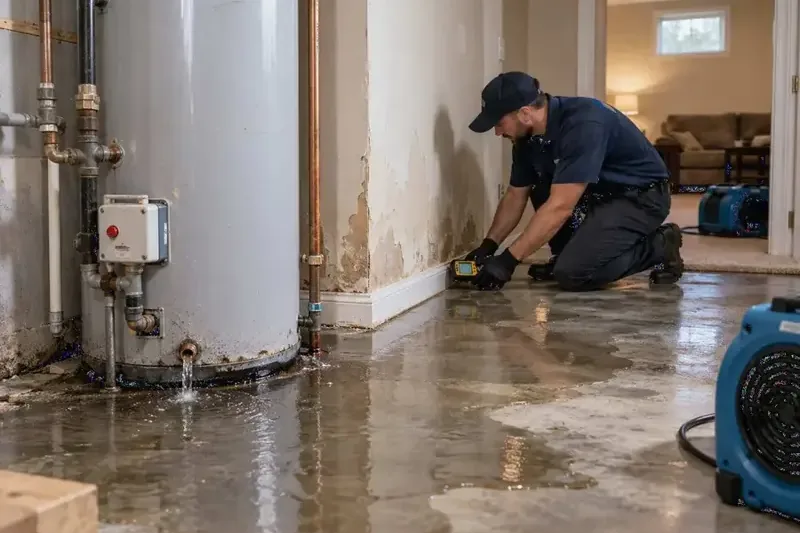 09Water Heater Failure CleanupA tank lets go in the attic, garage or closet; the water is pulled and the area dried.
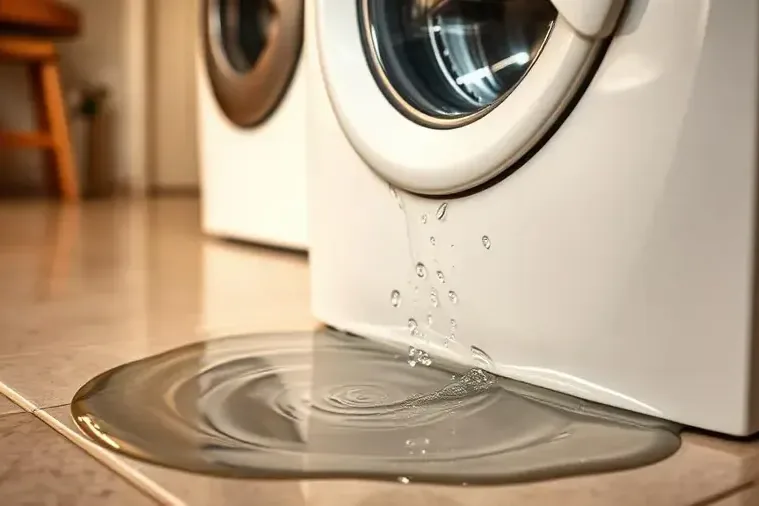 10Appliance Leak Water DamageWasher hoses, dishwasher lines and fridge ice-maker lines that fail under cabinets and floors.
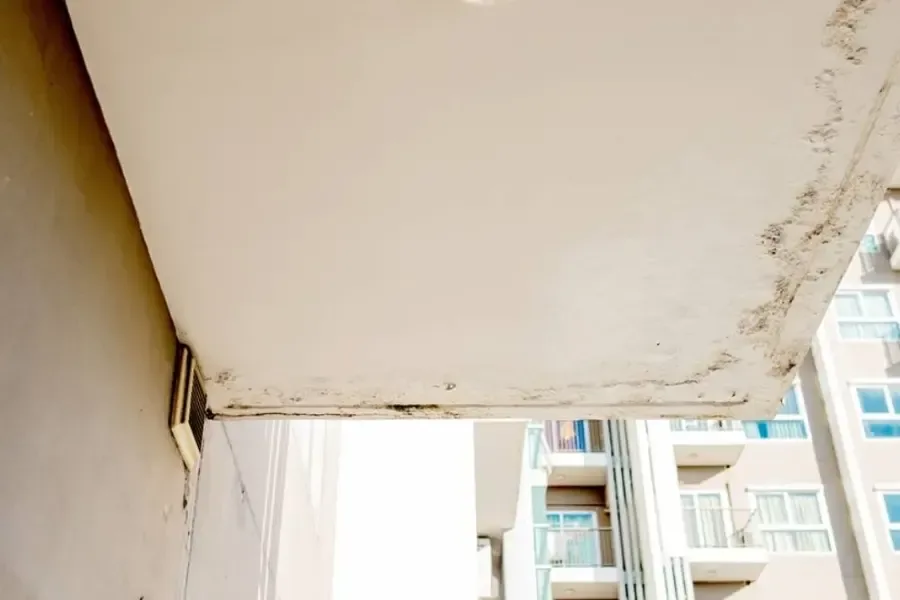 11Apartment & Condo Water DamageLeaks that travel from one unit into the next, traced and dried across every affected unit.
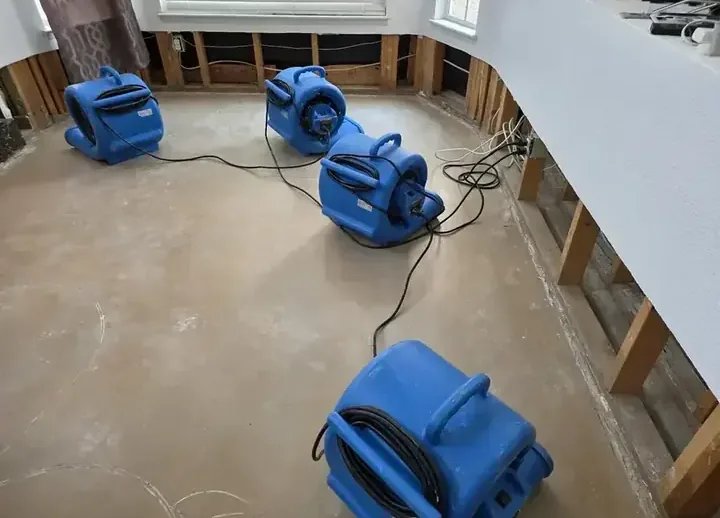
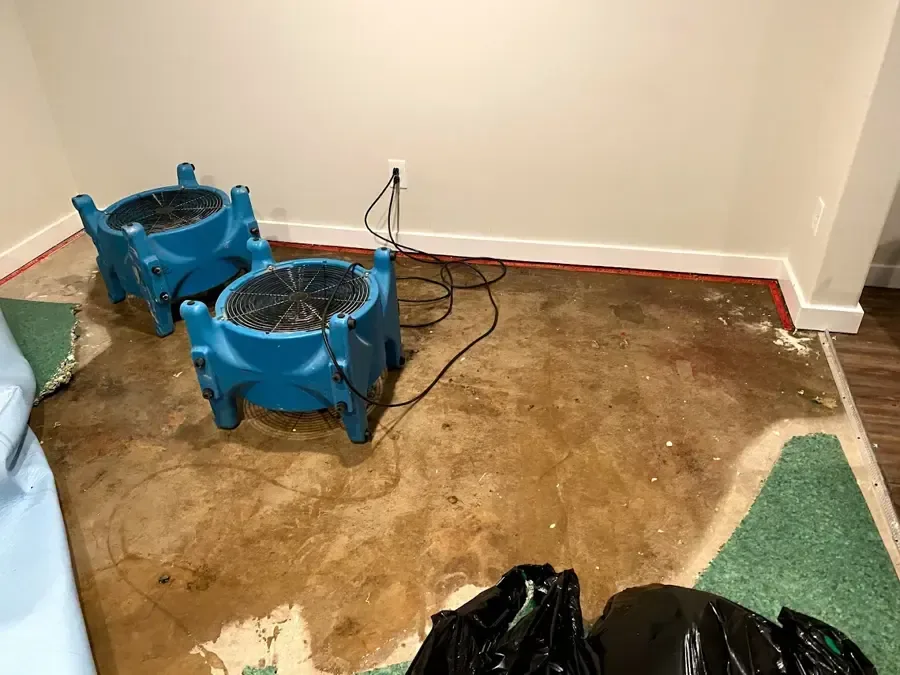 12Structural Drying & DehumidificationAir movers, LGR dehumidifiers and daily readings until framing and subfloor hit the dry goal.
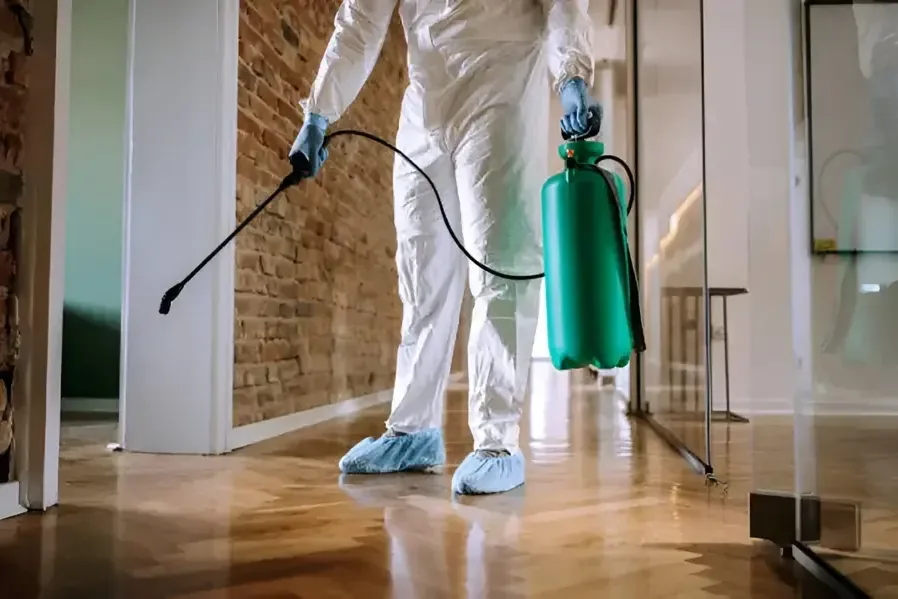 13Sewage & Black Water CleanupCategory 3 backups contained, removed and treated by a crew in full protective gear.
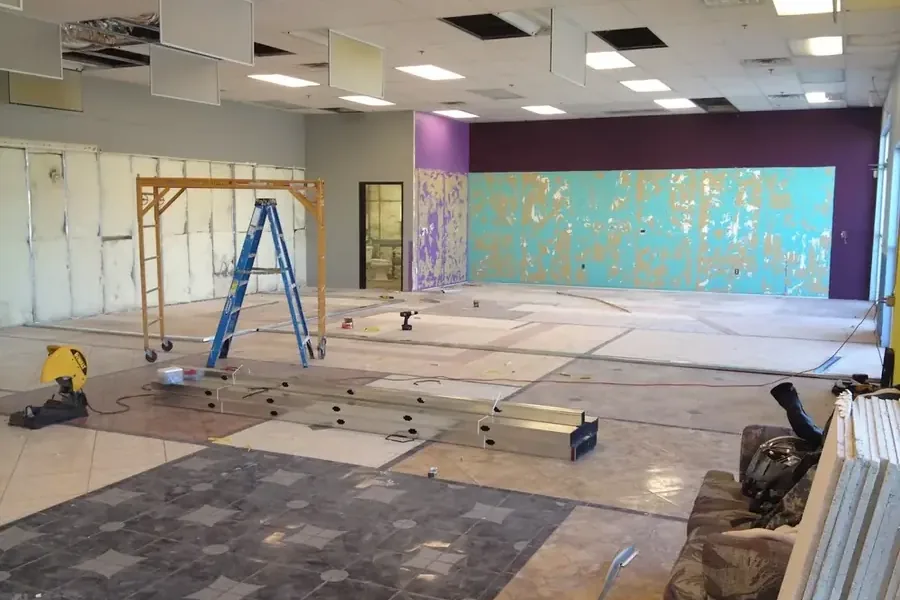 14Commercial Water DamageOffices, retail and warehouses along Foothill Freeway and Via Verde dried with downtime kept low.
Water damage dried to the IICRC S500 standard
What separates a finished dry-out from a cosmetic one is the order of the work, and the readings that prove it.
- Slip 01
Moisture mapping
The tech who does the walkthrough maps wet materials with thermal imaging and pinless meters before any equipment goes down.
- Slip 02
Extraction
The extraction crew pulls standing water with truck-mounted extraction, the single biggest step toward a shorter dry.
- Slip 03
Air movers and LGR units
Air movers go in at each room's evaporation load, and LGR dehumidifiers pull that moisture back out of the air.
- Slip 04
Dry verification
Daily readings continue until wet materials land within 2 to 4 points of a dry reference in the same house.
What to do while the water is still moving
- Shut the water off at the fixture valve or the main.
- Kill power to wet circuits if the breaker panel is dry, and stay out of water near outlets.
- Photograph everything before moving it, then lift rugs and electronics.
- Call inside the 24 to 48 hour window, before swelling and growth set in.
All water damage categories covered in San Dimas, CA
Category 1: clean water
Supply lines, a slab leak, a failed water heater. Extracted and dried in place before it turns dirty.
Category 2: gray water
Washer drains, dishwashers, AC condensate that sat in a pan. Soaked pad and trim get cleaned or pulled.
Category 3: black water
Sewage and outside flood water. Containment, removal of porous materials, then treatment. Sewage cleanup in San Dimas.
How a water loss is handled in San Dimas
Four things separate a real dry-out from a mop and a fan.
Rapid local response
San Dimas water damage pros work nights, weekends and holidays, and the truck rolls with extraction units, air movers and moisture meters already on board.
IICRC S500 drying standard
IICRC S500 is the industry drying standard. The drying team runs structural drying, not just surface drying, and the equipment stays until the readings say dry.
Claim-ready documentation
A moisture map on day one, daily psychrometric logs and timestamped photos before any demolition: the record an adjuster actually works from.
San Dimas water experts
The crew traces slab leaks, AC condensate, apartment losses and storm water near the San Dimas Wash drainage system without guessing where moisture stopped.
What does water damage restoration cost in San Dimas, CA?
In San Dimas, CA, water damage restoration typically runs $1,100 to $9,000 or more. The drivers are the water category, how many square feet got wet, the material class (carpet over slab dries faster than hardwood or plaster) and how fast drying started.
Shallow: contained loss
- One room or a hallway, clean water
- Extraction plus 3 to 4 days of drying
- Little or no material removal
Mid: multi-room loss
- Several rooms, a slab leak or an attic leak
- Flood cuts, pad or baseboard removal
- Air movers, LGR units, daily readings
Deep: major or Category 3
- Sewage, flood water or a whole floor
- Containment and HEPA air scrubbers
- Porous materials removed and treated
Ranges, not a quote. Room details can be entered in the water damage cost calculator.
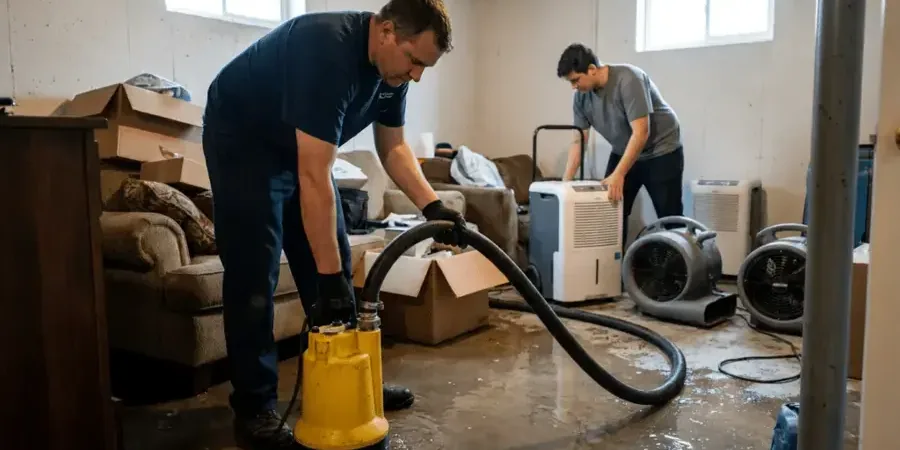
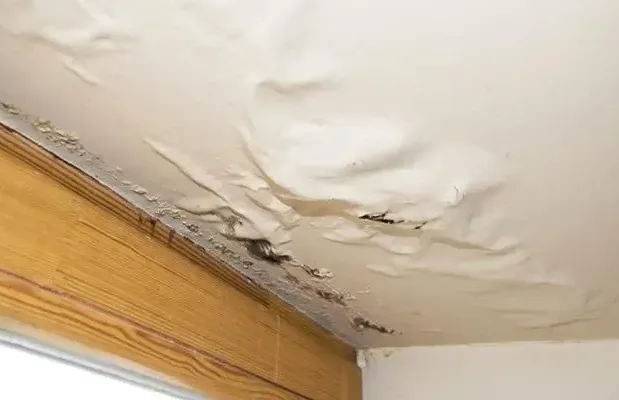
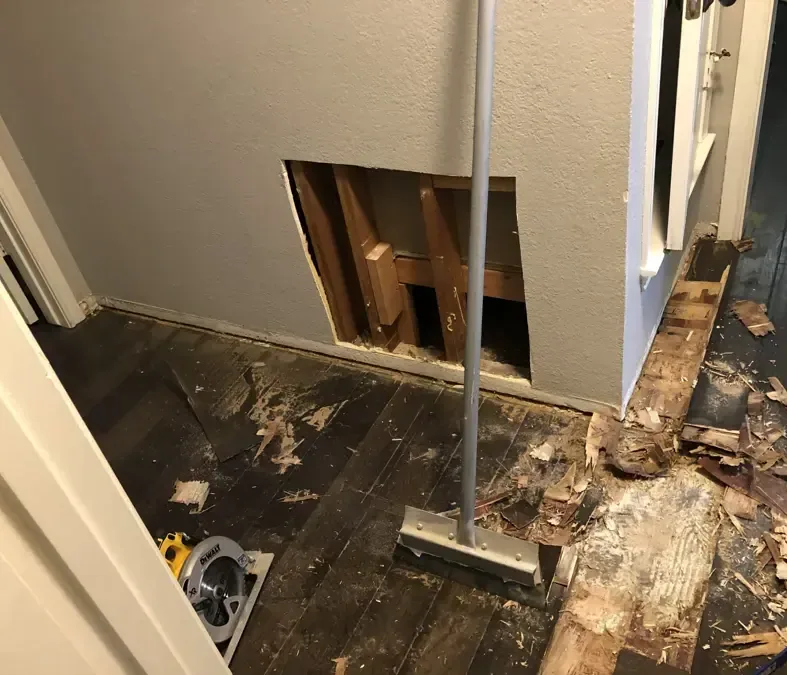
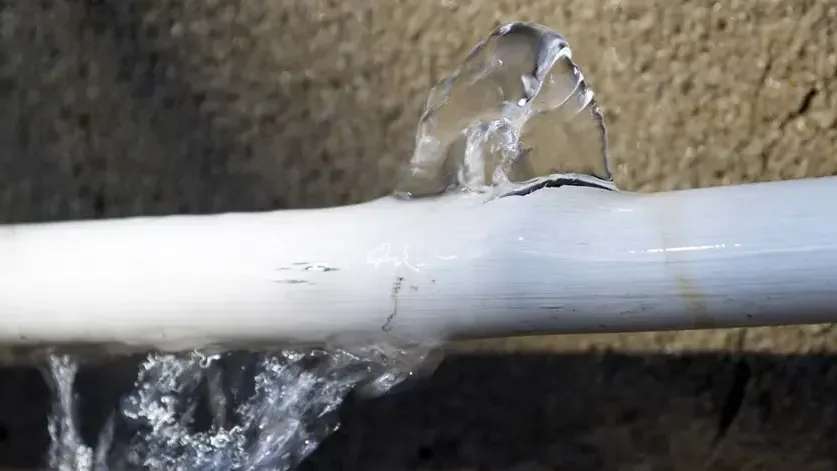
What a water damage dry-out looks like in San Dimas
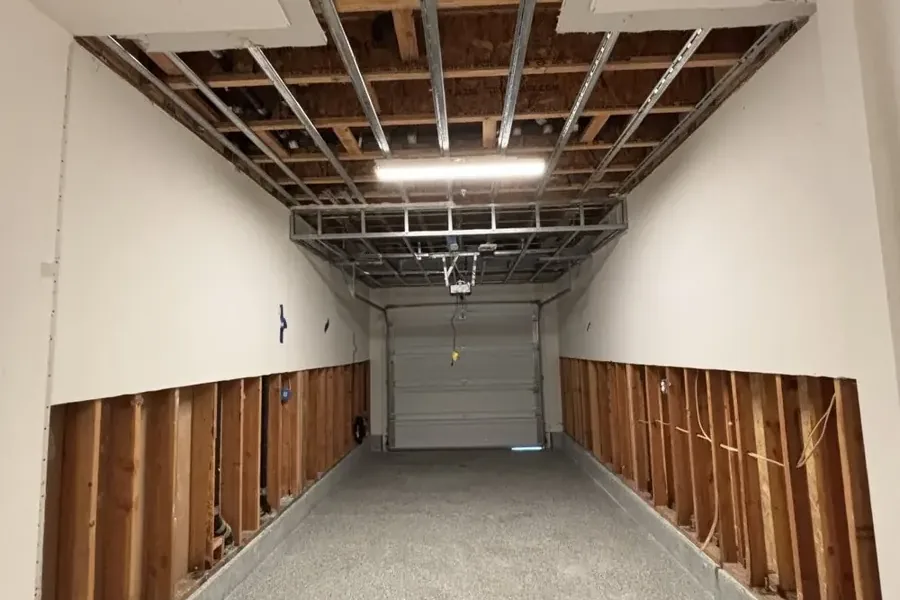
Documentation for your insurance claim
A water claim is decided on the file, not the phone call. A complete file carries these entries, and it is fair to ask the restoration contractor who responds which of them come with the job.
- Day 1A moisture map of every wet room
- Day 1Timestamped photos before any demolition
- Day 1The category and class of the loss
- DailyPsychrometric logs and moisture readings
- FinalA line-item, Xactimate-style scope
Sudden and accidental discharge, a burst supply line for example, is treated differently from rising surface water, which falls under flood coverage. Coverage depends on the policy; the property owner should confirm terms with the insurer.
Water damage coverage across San Dimas, CA
The restoration team handles water and sewage damage across San Dimas, CA, in Los Angeles County.
San Dimas ZIP codes
Neighborhoods
- Via Verde
- West San Dimas
- San Dimas Avenue
- Arrow Highway
- Cinnamon Creek
- San Dimas Wash
Nearby communities
- Claremont
- La Verne
- Pomona
- Temple City
- Anaheim
- Charter Oak
- Corona
- Walnut
One call reaches San Dimas water damage pros, 24/7
The restoration team covers ZIP 91773 and nearby communities. Have the nearest corridor ready and say which rooms and floors are wet, because that helps define the extraction and equipment load.
Water damage in San Dimas, CA: the local risk profile
San Dimas sits below the San Gabriel Mountains, with Cinnamon Creek and San Dimas Wash moving foothill drainage toward the Upper San Gabriel River watershed. The source and entry path guide the storm-water inspection.
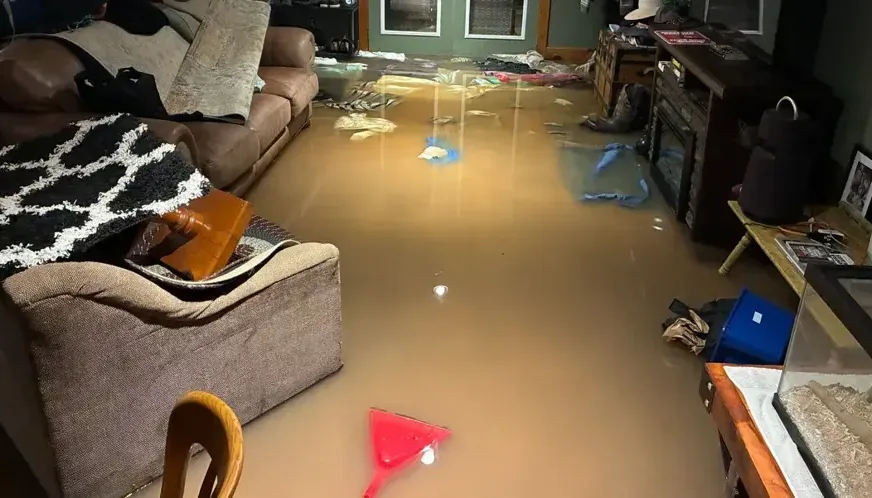
- Hidden plumbing water. A slab, wall, ceiling or cabinet leak needs readings beyond the visible stain.
- Separate drainage systems. The city distinguishes sanitary sewers from storm drains, so the source determines the contamination plan.
- Cinnamon Creek and San Dimas Wash. Foothill runoff belongs in the storm-water assessment when rain enters a building.
- February 2025 storm. Evacuation orders for five local homes show why hillside runoff deserves urgent attention.
San Dimas water damage questions, answered
How fast can someone respond to water damage in San Dimas?
San Dimas water damage pros dispatch 24/7, nights, weekends and holidays included, and active water is treated as an emergency. The first priorities are stopping the source and pulling standing water, because it keeps wicking into drywall, baseboards and the slab edge for as long as it sits.
Is water damage covered by homeowners insurance in California?
Sudden and accidental water, such as a burst supply line or a failed water heater, is usually treated differently from a slow leak and from rising flood water, which falls under separate flood coverage. Coverage depends on the policy; the property owner should confirm terms with the insurer.
What causes most water damage in San Dimas homes?
Hidden supply leaks, AC condensate, water heaters, roof openings, unit-to-unit apartment losses, sewage backups, storm runoff, and appliance hoses can all spread water into concealed materials.
How long does it take to dry a wet house?
A contained Class 1 loss usually dries in three to five days. Hardwood, plaster and a soaked slab take longer. The drying team compares daily readings with a dry reference material and removes equipment once the wet material sits within 2 to 4 points of it.
What is the IICRC S500 standard?
IICRC S500 is the industry drying standard for water damage restoration. It sets how water is categorized, how drying equipment is sized to a room and how the result is verified with moisture readings instead of a guess.
What should I do first while the water is still coming in?
Shut off the water at the fixture valve or the main. If the breaker panel is dry, turn off power to wet circuits. Stay out of standing water near outlets, photograph everything before moving it, lift rugs and electronics, then call.
What is the difference between mitigation and repair?
Mitigation stops the damage from growing: extraction, removal of what cannot be saved and structural drying. Repair, meaning new drywall, flooring or paint, is a separate phase that starts only after the structure reads dry.
When does wet drywall have to come out?
Drywall touched by Category 3 water comes out. Clean water drywall can often be dried in place when extraction starts quickly and the readings keep dropping. If it has swollen, crumbled or stayed wet for days, the mitigation team cuts it just above the wet line.
Why is sewage treated differently from a clean water leak?
Sewage backup is Category 3 the moment it happens. Porous materials it touches get removed, not dried, and the cleanup crew works in containment with HEPA air scrubbers and EPA-registered antimicrobial.
How is the cost of water damage restoration calculated?
The main drivers are the water category, the square footage that got wet, the material class and how fast drying started. Equipment days, removal of damaged materials and documentation are itemized in a line-item scope.
Water on the floor in San Dimas? Call now.
Shut the water off, stay clear of wet outlets and call. The extraction crew brings truck-mounted extraction, air movers and LGR dehumidifiers.