Water Damage Restoration Claremont, CA
A wet room near the San Gabriel Mountains can begin with groundwater, winter rain, a failed fixture, or water moving from another unit. Restoration starts by identifying the source, measuring affected materials, and matching removal and drying to instrument readings.
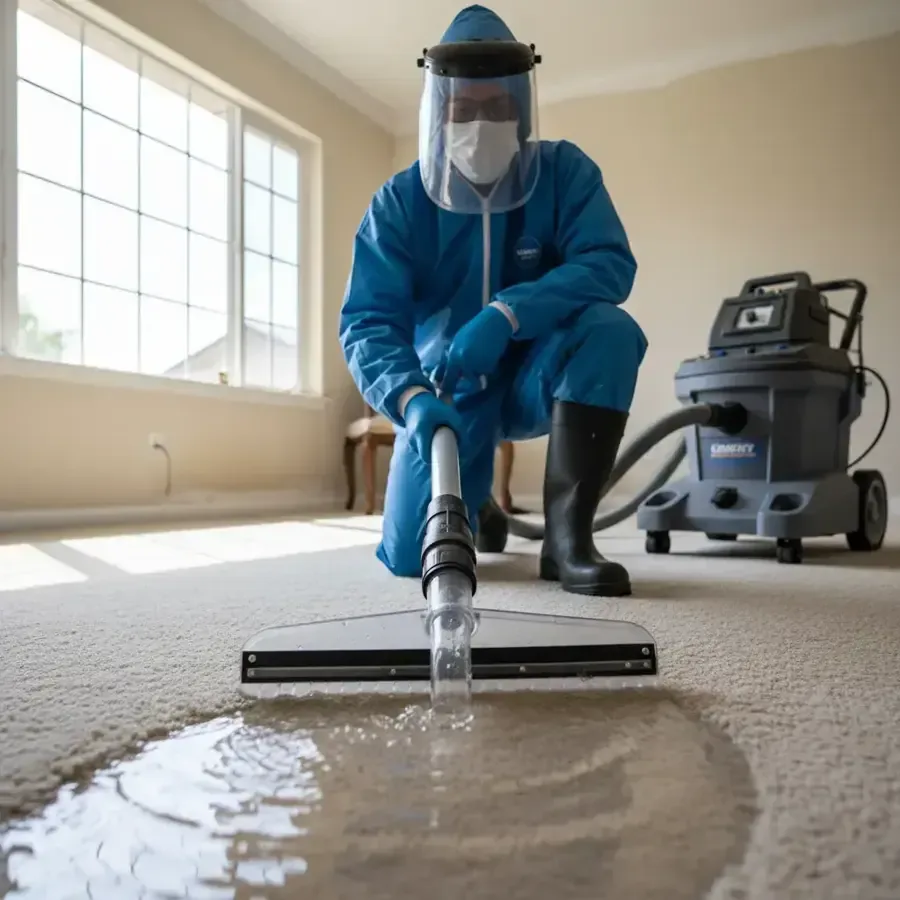
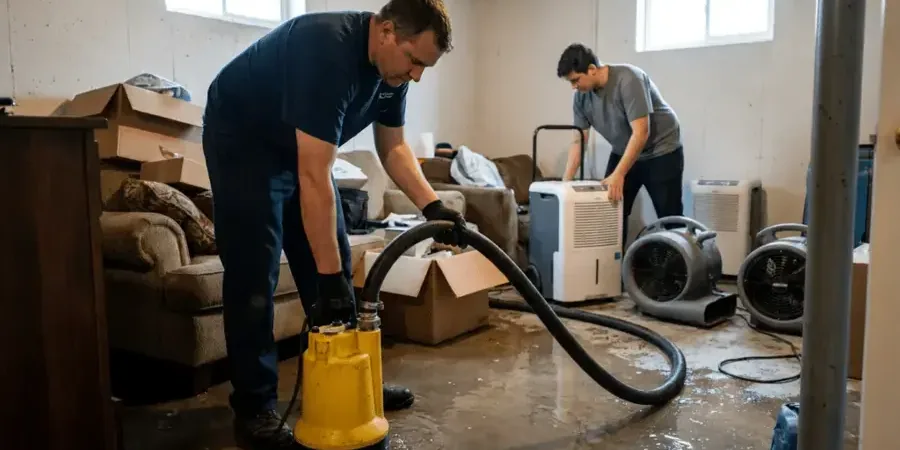
(888) 578-6508Water damage help, 24/7For active pooling, water extraction removes liquid water before concealed areas are conditioned.
Choose the work that matches the source
Every loss has a different path through the building, so the scope begins with the material and room affected rather than a stock demolition list.
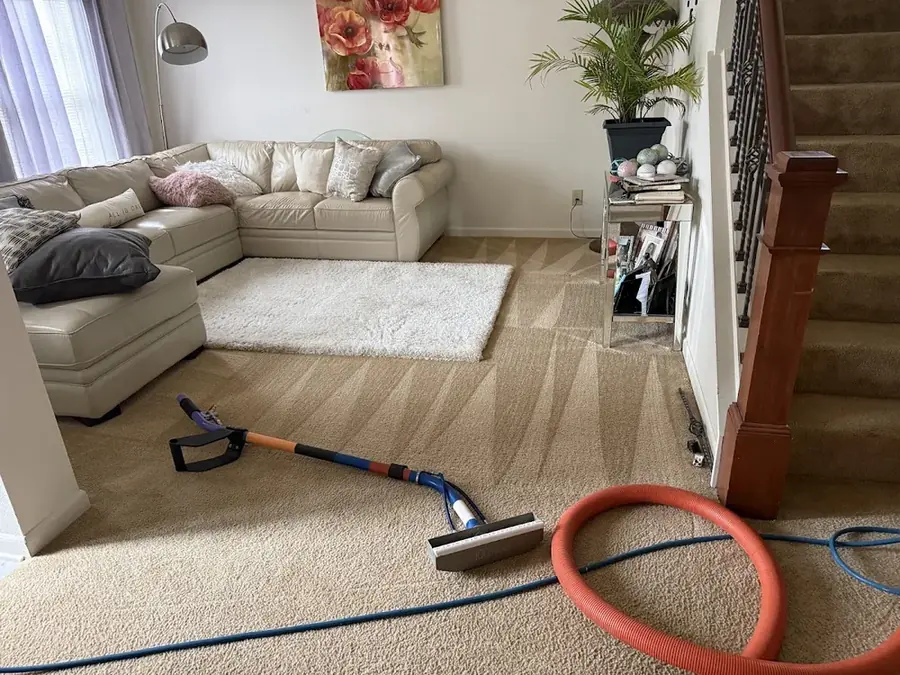 01Water Extraction & RemovalPumps and extraction tools remove pooled water while meter checks follow moisture into floor edges, walls, and neighboring rooms.
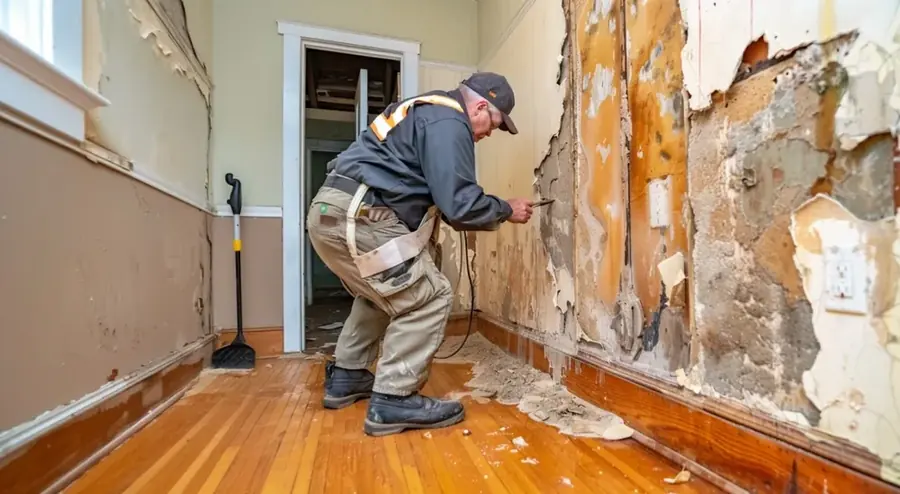 02Slab Leak Water DamageHidden supply water beneath a finish is separated from the plumbing repair, then affected floors and wall bases are mapped.
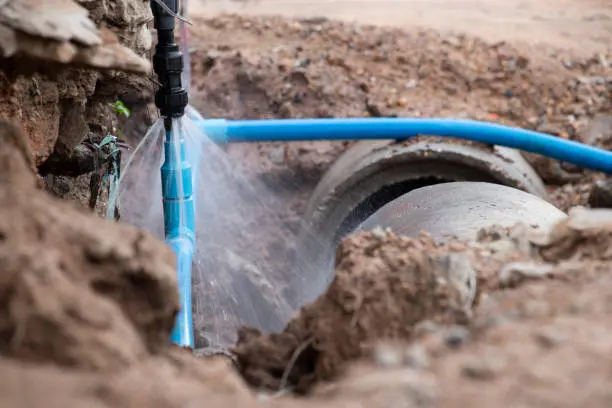 03Burst Pipe CleanupA sudden pipe break calls for source control, fast bulk removal, cavity inspection, and a drying plan for connected spaces.
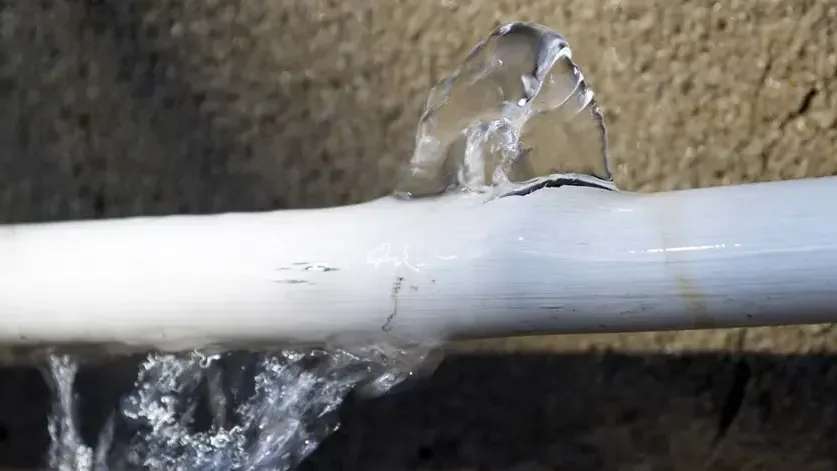
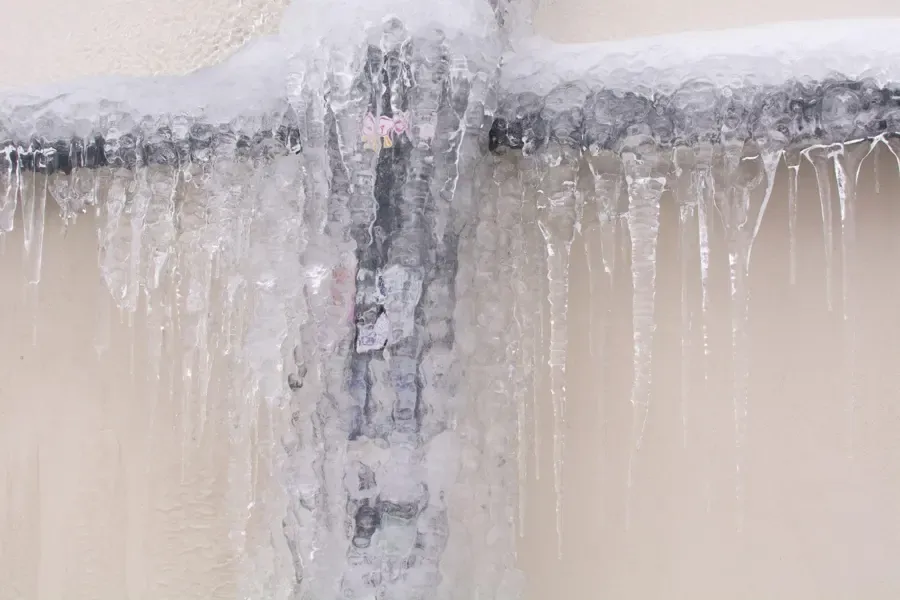 04Frozen Pipe CleanupRare cold damage is treated as an unusual plumbing release, with checks around exposed runs, cabinets, walls, and ceilings.
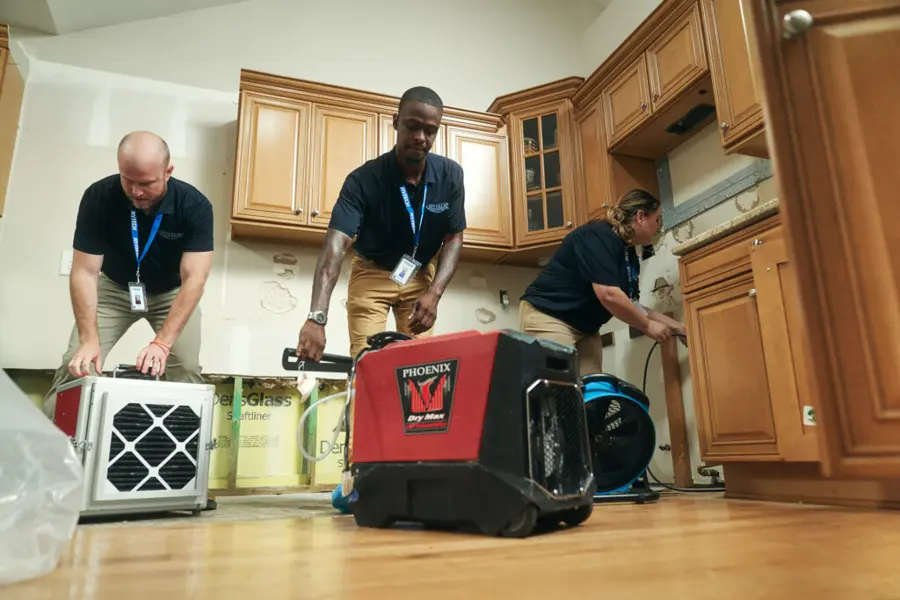 05Flash Flood & Storm Water CleanupWinter runoff entering from outdoors is contained as contaminated water before porous debris is removed and the structure is dried.
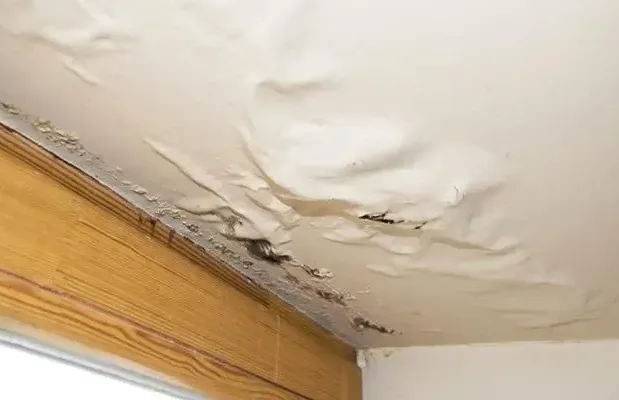
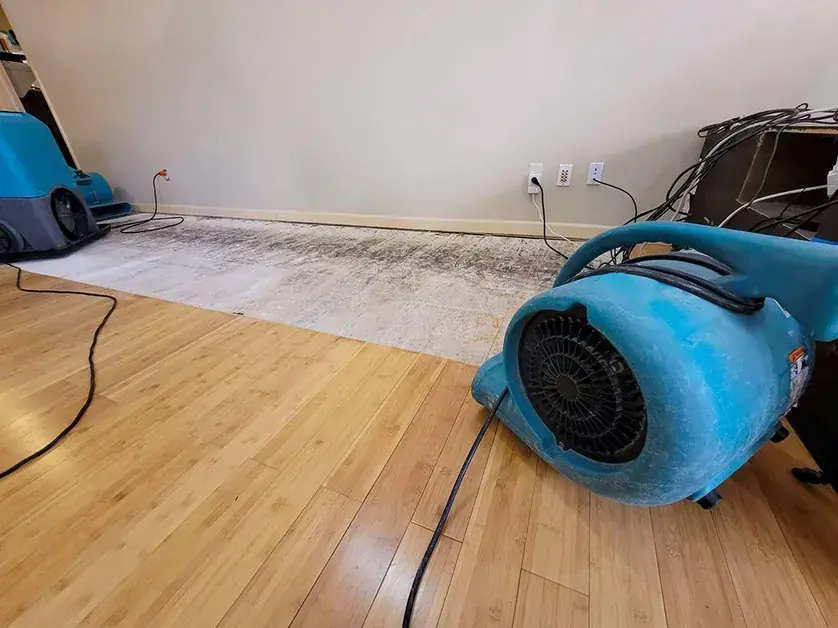 06Roof Leak Water DamageRoof entry after rain or wind is traced through insulation and framing instead of being judged only by the ceiling mark.
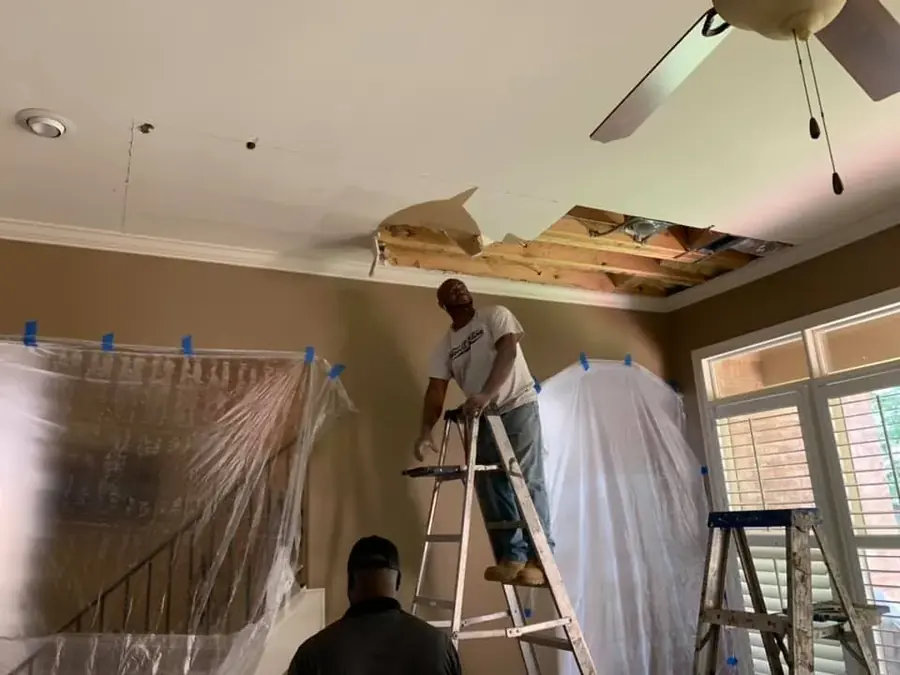 07Ceiling Leak Water DamageSagging board, damp insulation, and fixtures below a leak are assessed before controlled drainage or overhead access begins.
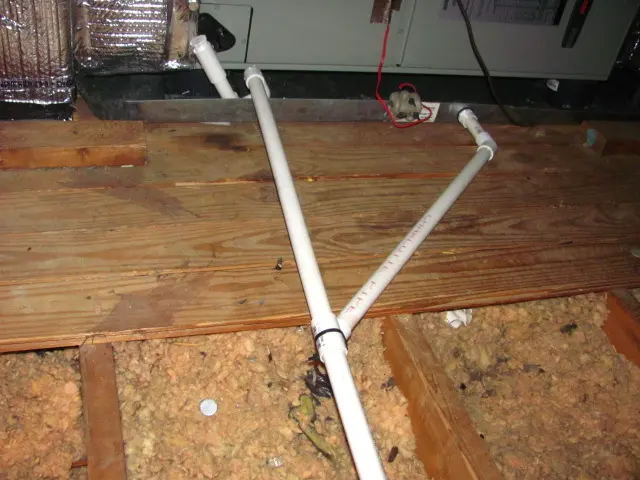 08AC Drain Line Leak DamageCondensate around a drain, pan, or ceiling opening is mapped through nearby insulation, wallboard, and floor finishes.
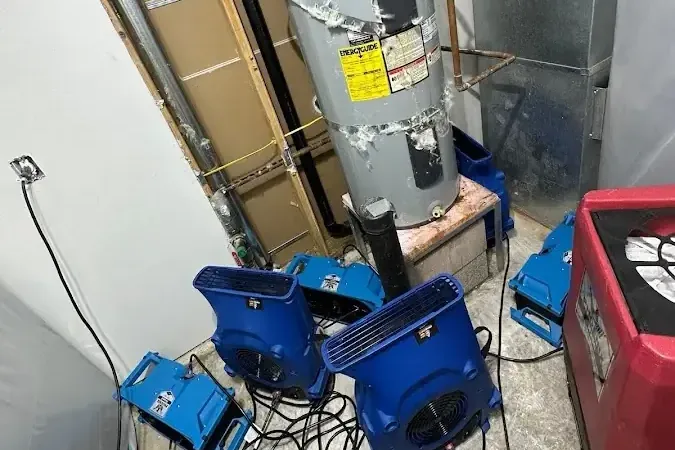
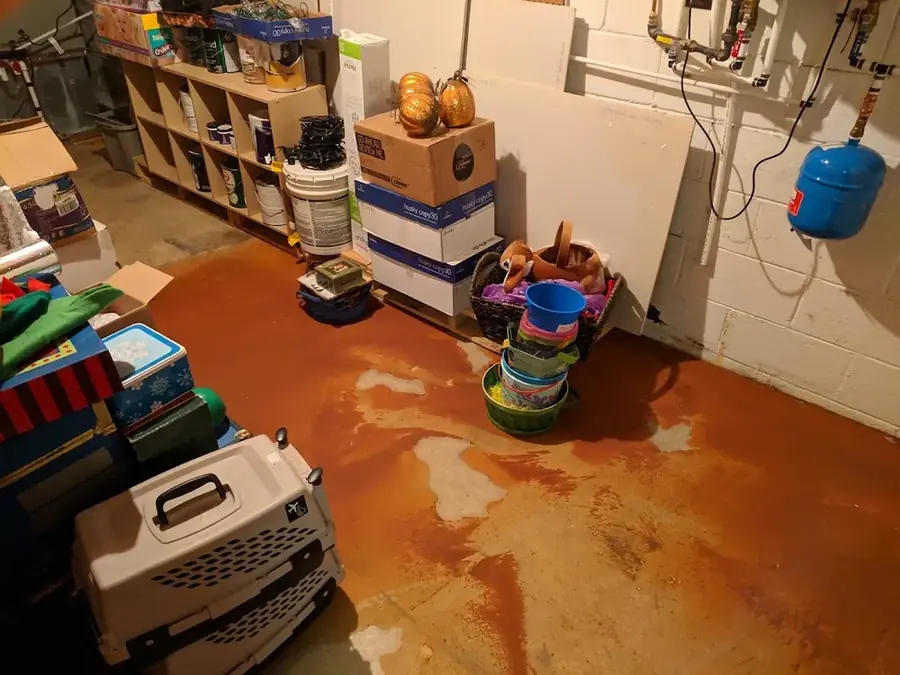 09Water Heater Failure CleanupWater released from a tank closet, garage, or upper level is extracted from the equipment area and every downhill assembly.
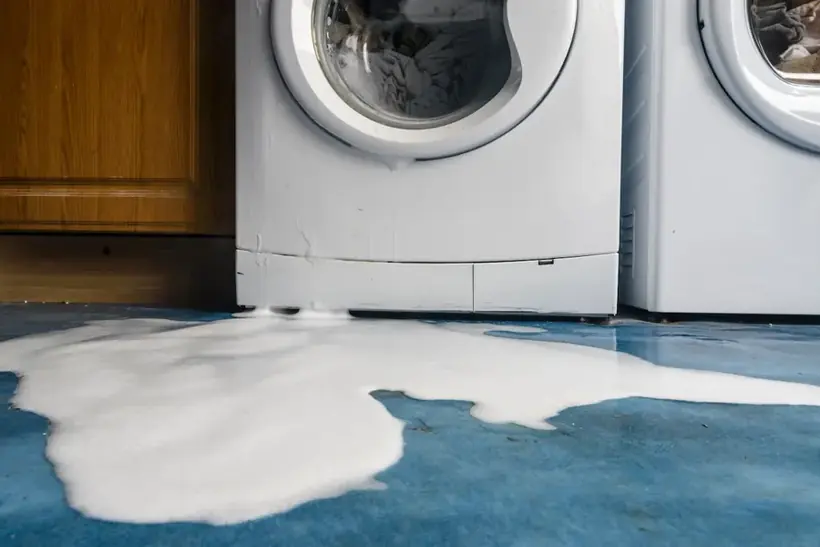 10Appliance Leak Water DamageLaundry and kitchen leaks are followed beneath cabinets, baseboards, floor coverings, and shared partitions before drying starts.
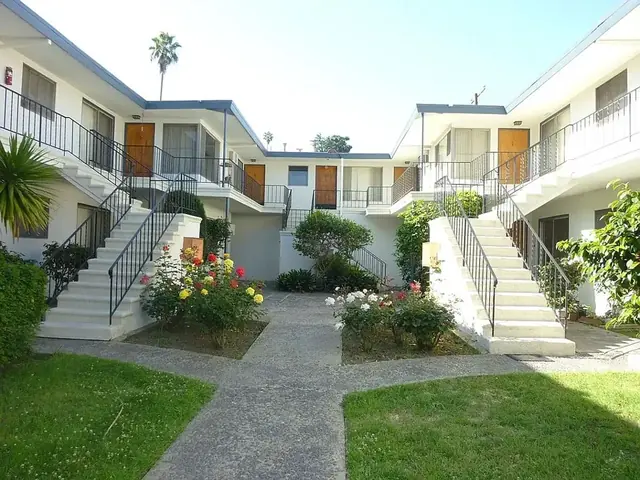 11Apartment & Condo Water DamageUnit to unit migration is documented across ceilings and shared walls so each affected space has its own readings and scope.
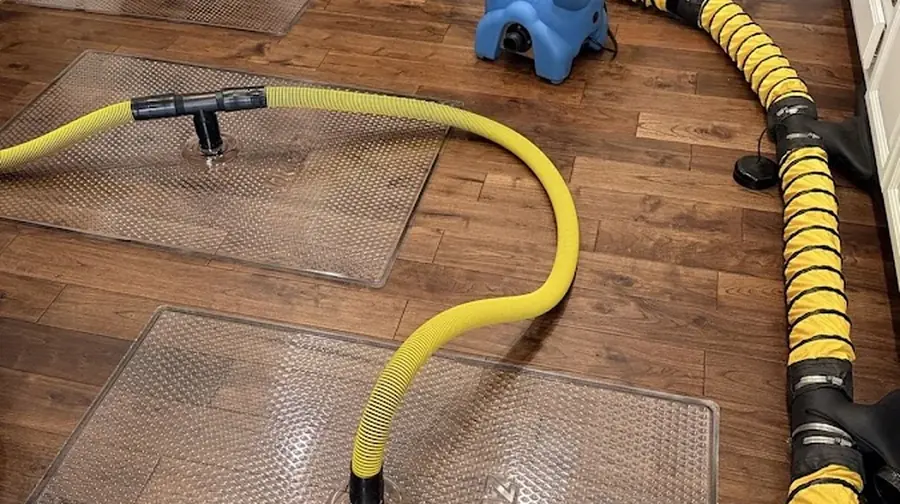 12Structural Drying & DehumidificationAir movement and dehumidification are adjusted from material readings until the wet assembly matches an appropriate dry reference.
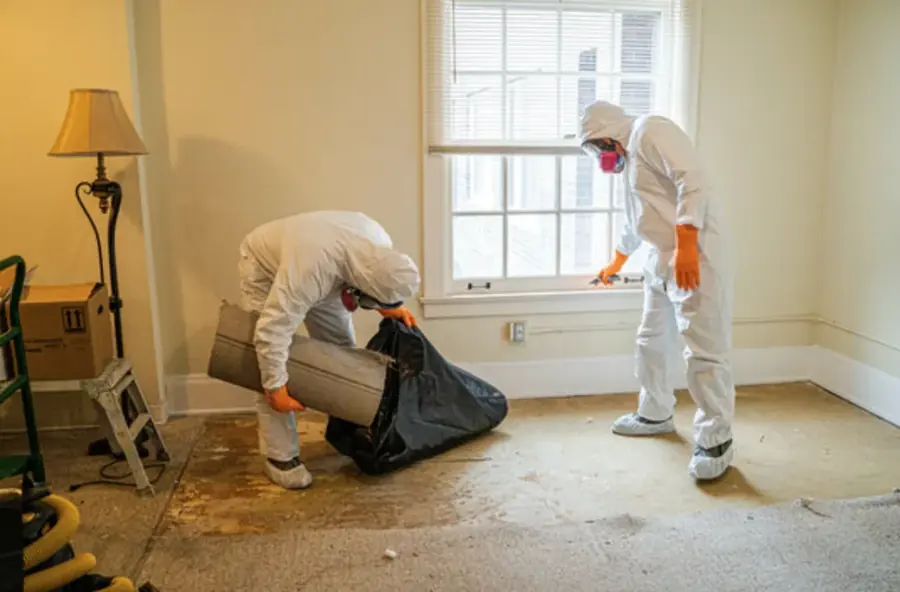 13Sewage & Black Water CleanupA sanitary backup is isolated from occupied areas, porous materials are removed, and remaining surfaces are cleaned before drying.
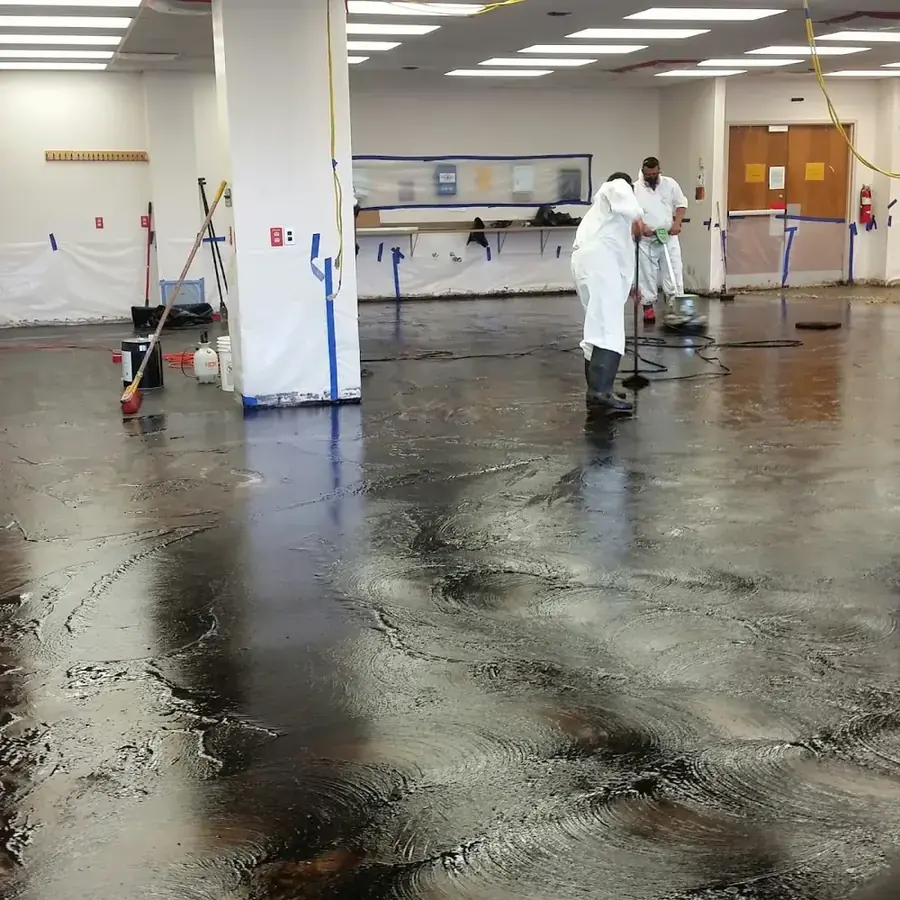 14Commercial Water DamageCampuses, public buildings, offices, and shops receive zoned work plans that protect access while moisture conditions are documented.
Four decisions move the structure toward dry
A drying plan changes as the building responds. The first map defines the wet boundary, extraction reduces liquid, controlled evaporation moves retained moisture, and repeat measurements show where progress has stalled or finished.
- Slip 01
Establish the boundary
Inspect the source room, partition backs, floor transitions, and spaces below the release.
- Slip 02
Remove accessible water
Match recovery to water depth, surface, contamination, and trapped layers.
- Slip 03
Manage evaporation
Place airflow at exposed surfaces and use dehumidification to collect released vapor.
- Slip 04
Prove completion
Record stable readings and compare them with unaffected material before equipment leaves.
Protect people, then preserve the evidence
- Stop new water Close a fixture valve or building shutoff only when it is safely accessible.
- Respect electrical risk Keep people away from standing water near outlets, cords, panels, or equipment until assessed.
- Record the starting condition Photograph water levels, stained materials, and damaged contents before moving items that pose no safety concern.
- Separate clean and dirty areas Avoid carrying wet rugs, sewage debris, or runoff through unaffected rooms.
- Prepare a room list Note floors, ceilings, cabinets, and adjoining spaces showing dampness, swelling, staining, or unusual temperatures.
Clean water can change after contact and time
Recent supply water
A recent pipe break may leave durable materials recoverable when extraction and readings show steady improvement.
See burst pipe cleanupAppliance or condensate discharge
A drain pan, washer, or dishwasher release requires separate cleaning and removal decisions for each material.
Inspect appliance leaksSewage or outdoor runoff
Water carrying sewage, soil, or street debris requires isolation, protective handling, and porous-material removal.
Understand Category 3 cleanupThe driest-looking room may still hold the problem
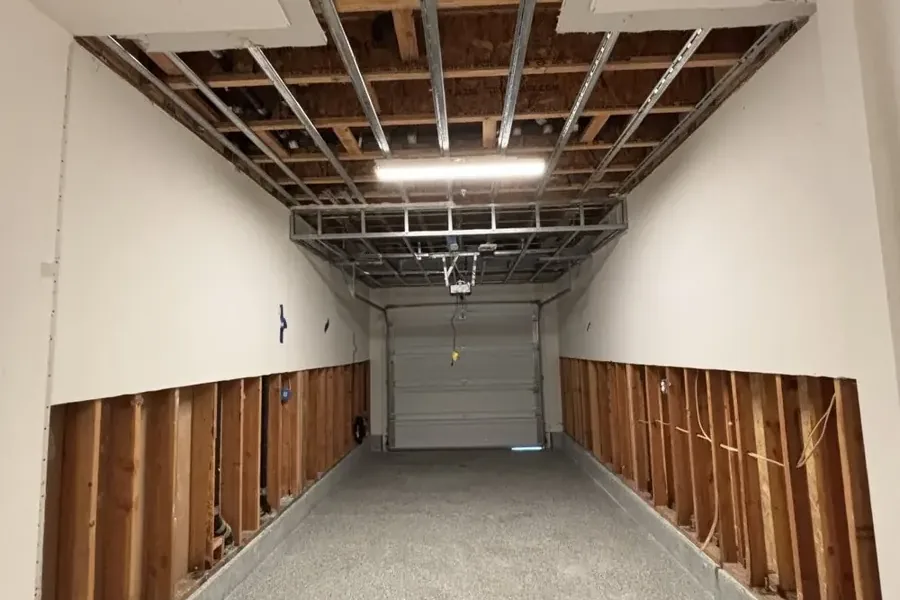
Paint, tile, and carpet fibers can change before the layers behind them. Measurements at wall bases, underlayment, framing, and cabinets prevent appearance alone from ending the work too soon.
Different materials
Wallboard, lumber, concrete, insulation, and flooring release moisture at different rates.
Access for airflow
A sealed floor or closed cavity can block airflow from nearby equipment.
Readings over time
A reading sequence shows progress better than one measurement at the end.
Room records
Room and assembly labels make the record useful for repairs and claim assessment.
Scope grows with water category and material depth
A small recent supply leak may need focused extraction and drying, while groundwater across several rooms or sewage entering porous finishes adds containment, removal, cleaning, and a larger equipment load. The moisture map, not the first visible puddle, establishes how much material belongs in the work area.
Focused clean-water area
- One limited room
- Direct extraction access
- Little controlled removal
Connected wet spaces
- Several material types
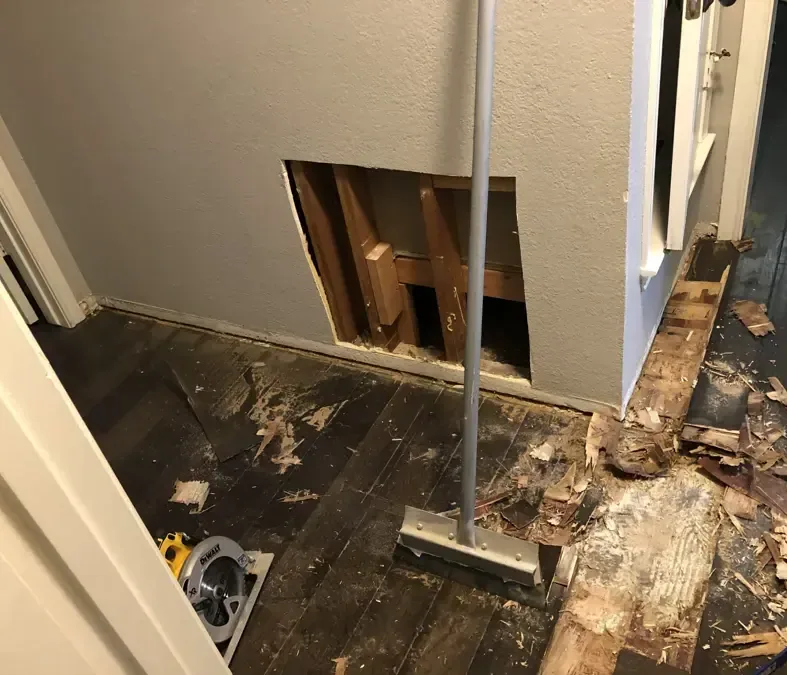
- Wall or floor openings
- Daily equipment changes
Broad or contaminated loss
- Containment zones
- Porous material disposal
- Expanded cleaning records
Ranges support early planning only. The category, readings, access conditions, and materials determine the site-specific scope.
What the work can reveal after the water recedes
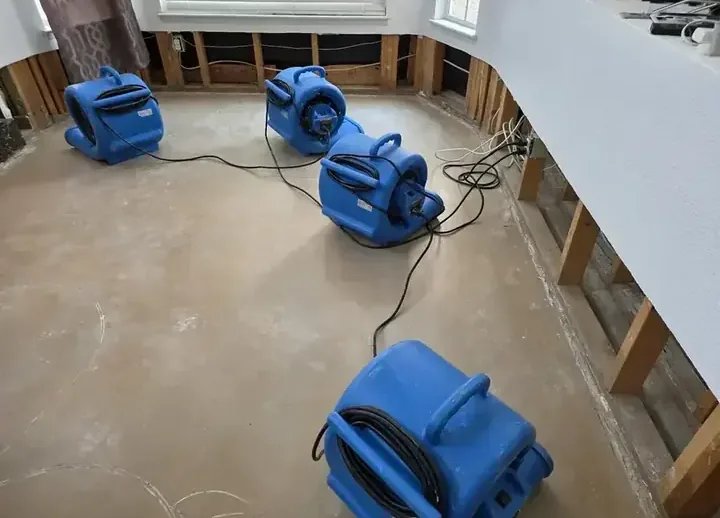
Connect every action to a room and material
A claim file is clearer when photographs, meter locations, and work notes use the same room names. The record explains findings, material decisions, and the readings that established dry conditions.
- 01Source status and water category
- 02Initial photographs before disturbance
- 03Marked wet and dry reference locations
- 04Daily room conditions and material readings
- 05Final scope separating mitigation from repair
Policy language controls coverage
A sudden plumbing release may be evaluated differently from gradual seepage, groundwater, or water arriving from outdoors.
The property owner should report the known source and documented damage directly to the insurer rather than assuming that every drying task is covered.
One ZIP with varied building settings
Service ZIP codes
Neighborhoods and landmarks
- Stone Canyon
- Indian Hill
- Claremont Depot
- Claremont Colleges
- The Webb Schools
Claremont coverage includes ZIP 91711, with Stone Canyon and Indian Hill among the local areas listed here.
The Claremont Depot, Claremont Colleges, and The Webb Schools offer additional location references when arranging a property visit.
Winter rain and groundwater require different questions
Most annual rain falls in winter, and the city sits below the San Gabriel Mountains. Those conditions make roof entry and runoff relevant, while the documented Stone Canyon event shows that groundwater can also require pumping and repeated moisture mapping.
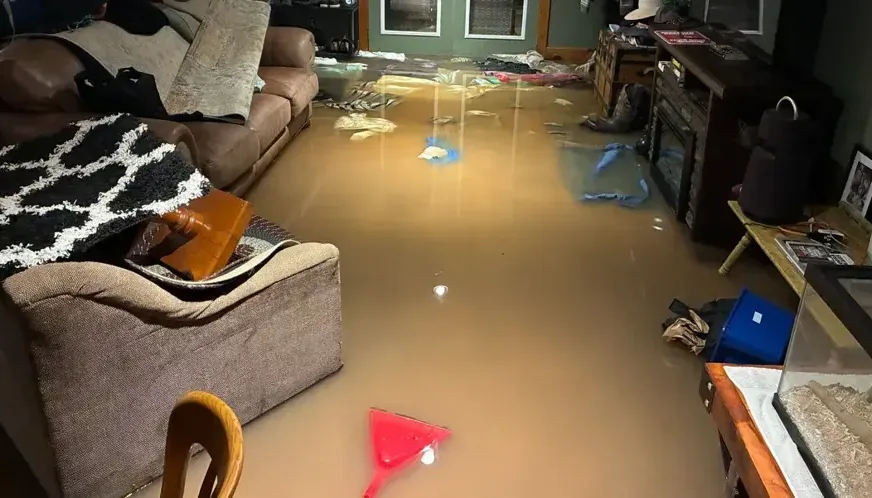
April 2023 groundwater event
More than two dozen Stone Canyon homes were affected, and residents used portable pumps. The event supports careful groundwater assessment without treating it as a recurring condition across the entire city.
- Groundwater entry. Continuing seepage must be distinguished from water left behind after the first pump-out.
- Winter roof exposure. Rain and Santa Ana winds can create an entry path that appears later as an interior stain.
- San Antonio Creek context. Outdoor drainage belongs in the source discussion when water arrives at low openings.
- Mixed occupancy. Owner and renter occupied housing can require separate access, contents, and documentation decisions.
- Hot-season condensate. Cooling demand can expose a blocked drain or failed pan above occupied rooms.
Water damage questions
Why does the crew inspect beyond the puddle?
Water can move beneath finishes and around pipes, cabinets, and walls. Readings locate concealed migration before equipment is placed.
Is the Stone Canyon flooding typical everywhere?
The April 2023 event affected Stone Canyon homes. A new loss requires an inspection of its own entry points, water level, and wet materials. Repeated observations show whether water continues entering during recovery.
Can wet drywall remain in place?
Recent clean-water exposure may dry in place when board remains sound and readings improve. Contamination, crumbling, swelling, or blocked access can require removal.
What changes when water came from outdoors?
Runoff is contaminated water because it can carry soil into the building. Containment, protective handling, cleaning, and porous-material decisions change accordingly.
How are cabinets checked?
The crew measures accessible panels, toe kicks, wall surfaces, and flooring around the cabinet run. Small openings may be created when readings indicate trapped moisture.
Why are daily measurements recorded?
Trends show whether each material is responding to airflow and dehumidification. They also reveal a stalled pocket that needs access or an equipment adjustment.
Does pipe repair finish the water job?
Pipe repair stops the source. Extraction, material decisions, structural drying, and final readings address the water that already left the plumbing system.
When can repair work begin?
Repairs should follow documented drying of the substrate and nearby assemblies. Covering retained moisture can hide an incomplete mitigation result.
What should the final file contain?
The closeout should identify affected rooms, materials, removals, equipment changes, photographs, and the readings used to establish completion.
Define the source, boundary, and drying target
Extraction removes what can be recovered immediately. Structural drying then addresses retained moisture until the documented material goal is reached.