Water Damage Restoration Temple City, CA
Water may spread beneath flooring long before a room looks seriously affected. A careful response separates source control from cleanup, maps damp materials across connected spaces, removes recoverable water, and adjusts drying equipment from repeated readings instead of surface appearance.
(888) 578-6508Water damage help, 24/7Active pooling should be recovered before focused drying begins inside concealed materials.
Match the cleanup plan to the release
A roof opening, appliance hose, sanitary backup, and supply pipe break each create a different path and require different material decisions.
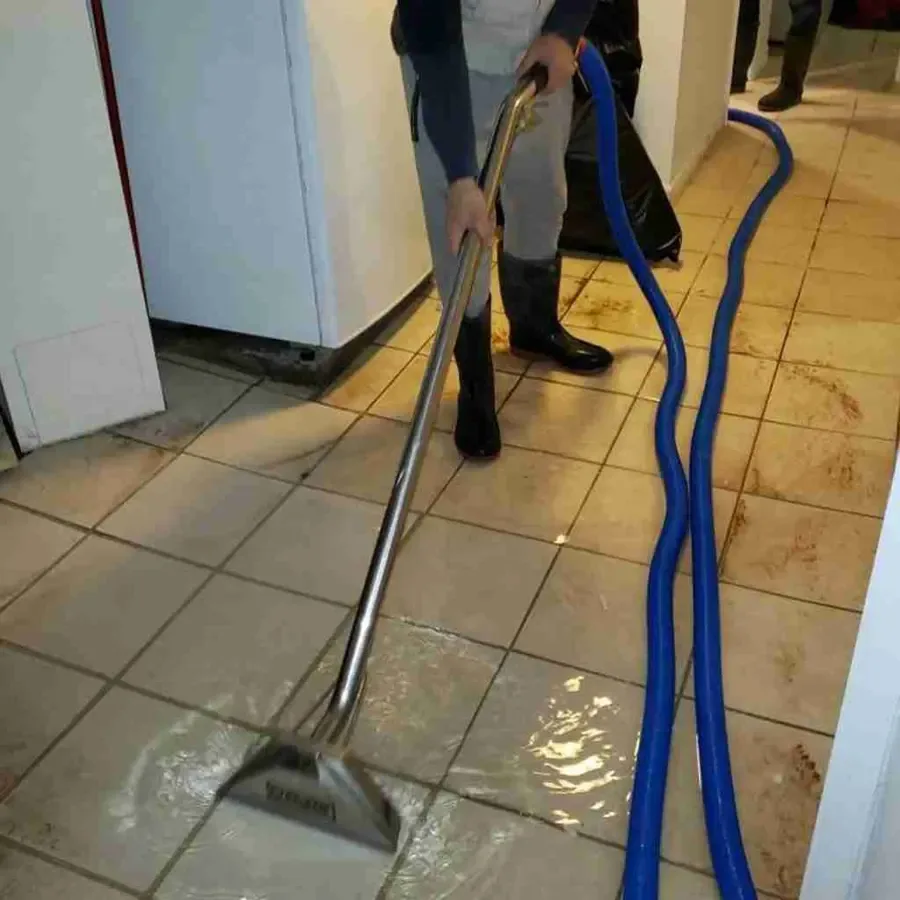
 01Water Extraction & RemovalWater is recovered, then readings follow the release beneath finishes, along partitions, and into adjoining rooms.
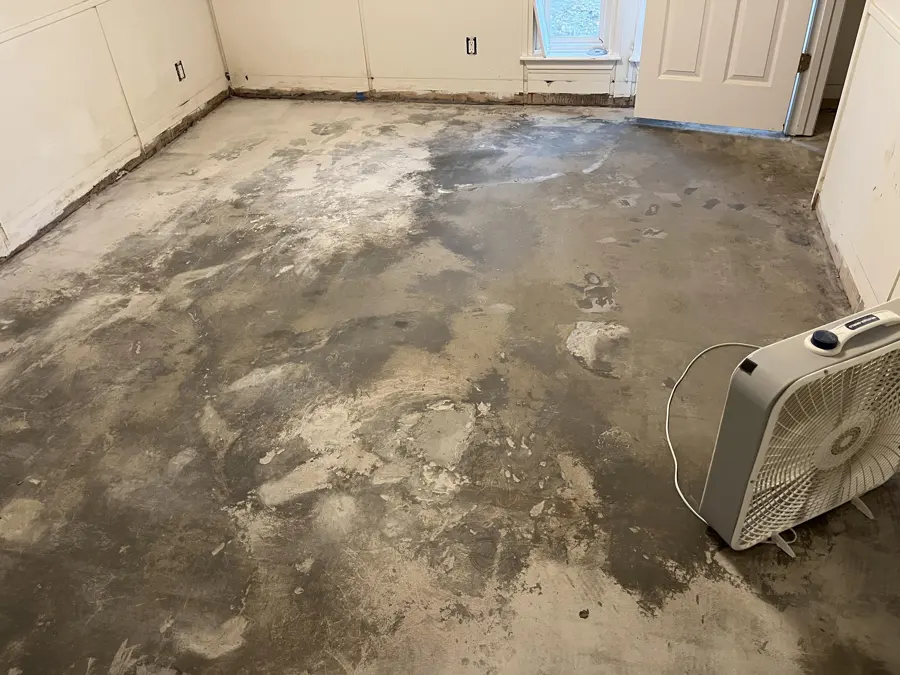 02Slab Leak Water DamageWater rising through or beside a floor is traced without assuming every property has the same foundation or buried piping arrangement.
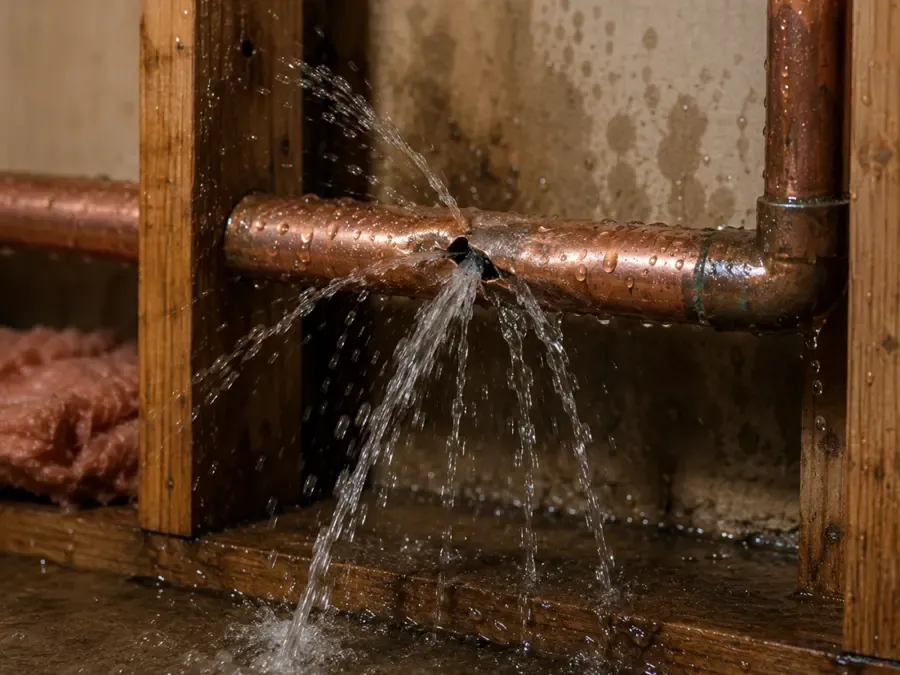 03Burst Pipe CleanupA broken supply pipe requires shutoff coordination, bulk removal, cavity inspection, and drying for every assembly touched after the break.
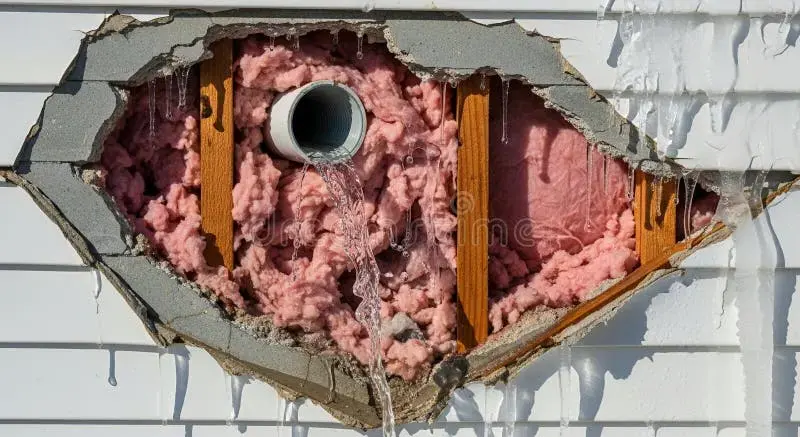 04Frozen Pipe CleanupUnusual cold exposure is evaluated at vulnerable plumbing points, with cleanup based on the resulting water path rather than weather assumptions.
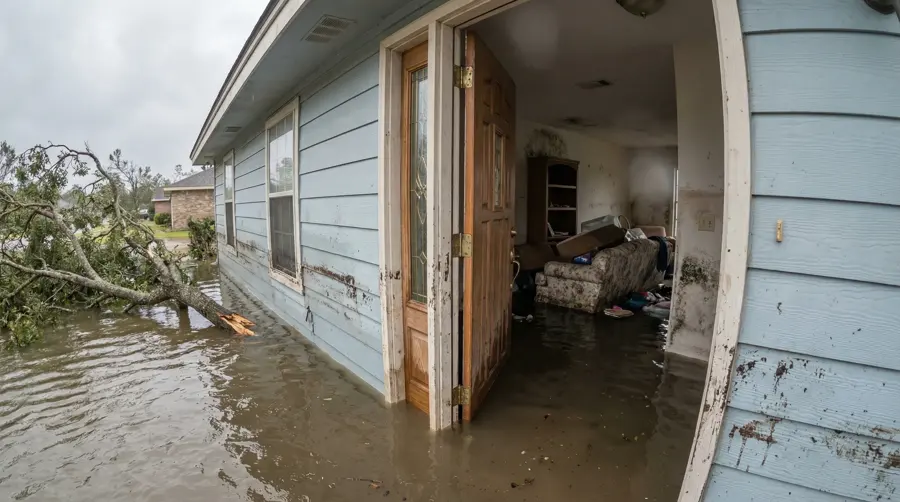 05Flash Flood & Storm Water CleanupRainwater carrying outdoor debris is isolated, extracted, and cleaned before the affected floor and wall assemblies enter a controlled dry-out.
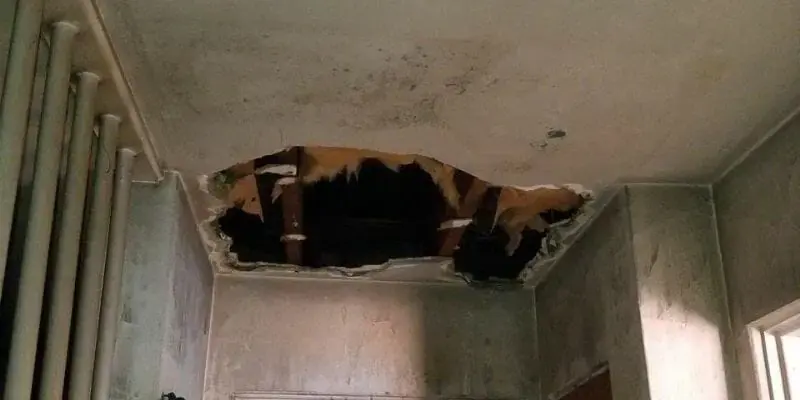 06Roof Leak Water DamageRoof water is tracked from the exterior opening through decking, insulation, framing, and ceiling finishes before restoration boundaries are set.
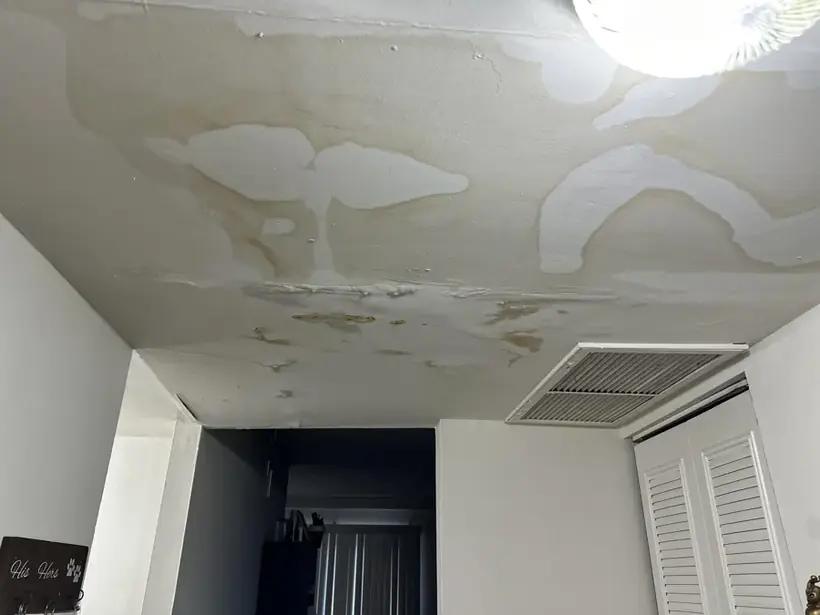 07Ceiling Leak Water DamageOverhead staining, softness, or sagging prompts hazard controls and moisture checks above, beside, and below the visible damaged area.
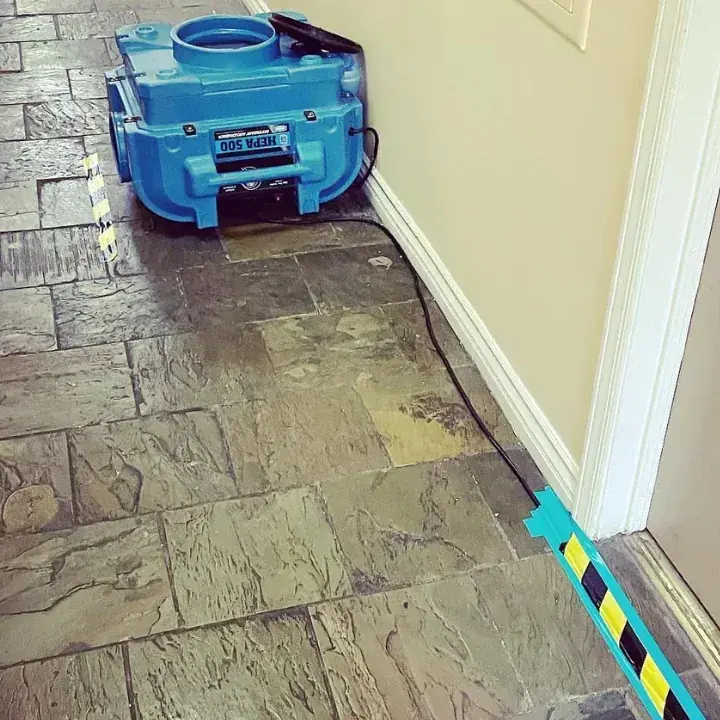 08AC Drain Line Leak DamageCondensate escaping a pan or drain is traced through insulation, ceiling board, wall cavities, and floor materials below the equipment.
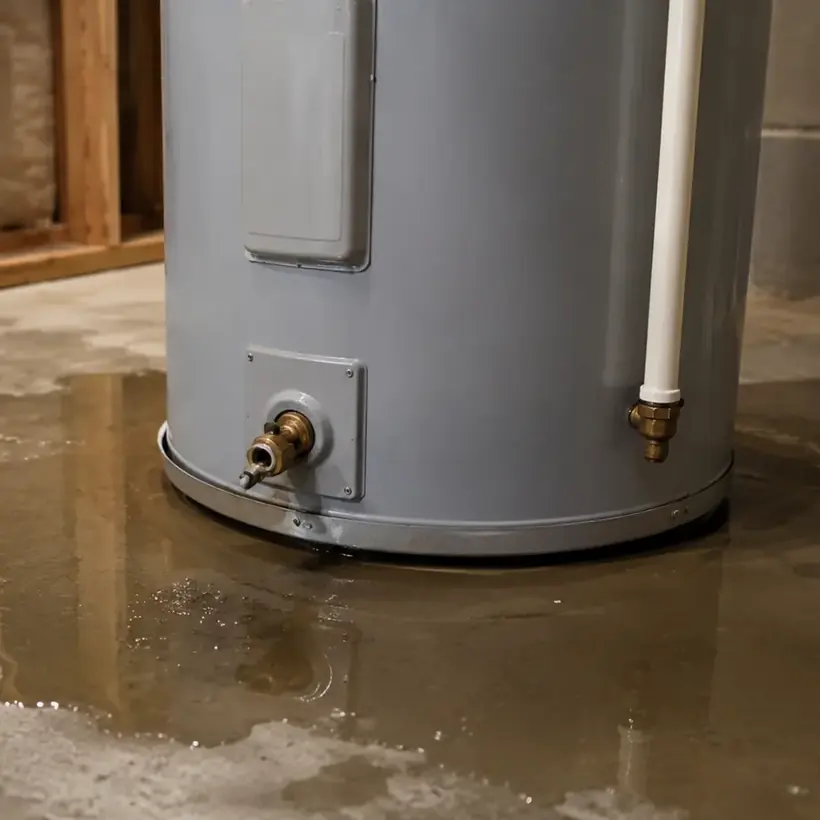 09Water Heater Failure CleanupTank releases are contained around the equipment, followed downhill, and documented before wet cabinets, walls, or flooring are dried.
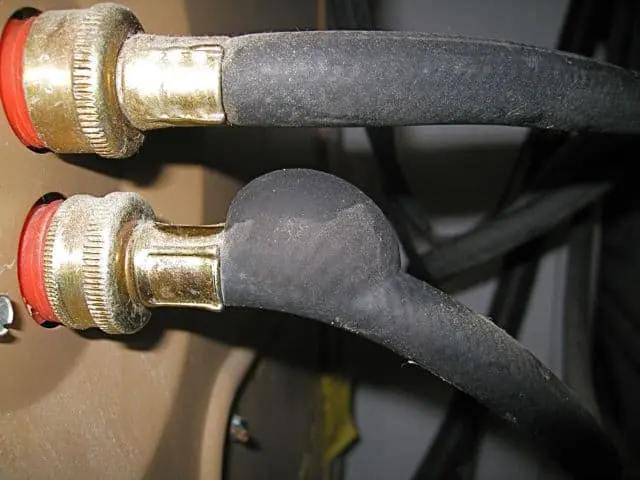 10Appliance Leak Water DamageLaundry and kitchen water is mapped under machines, cabinet bases, floor seams, and shared walls where a small leak can remain hidden.
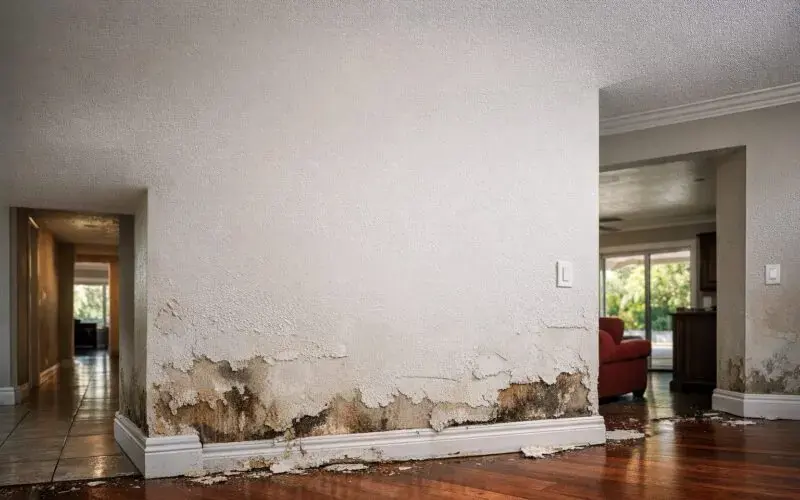 11Apartment & Condo Water DamageMultiunit losses are recorded by unit, level, room, and assembly so migration through shared ceilings and partitions is not overlooked.
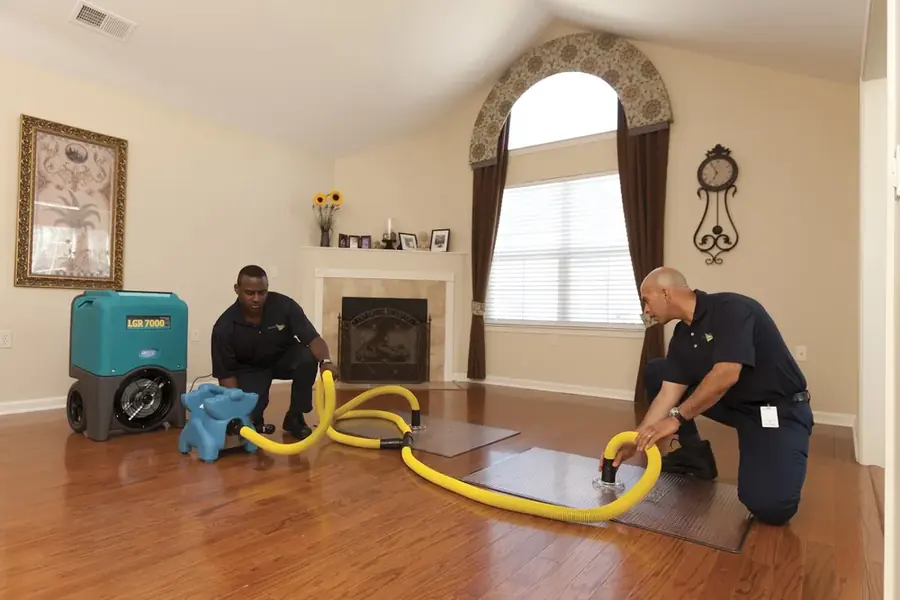
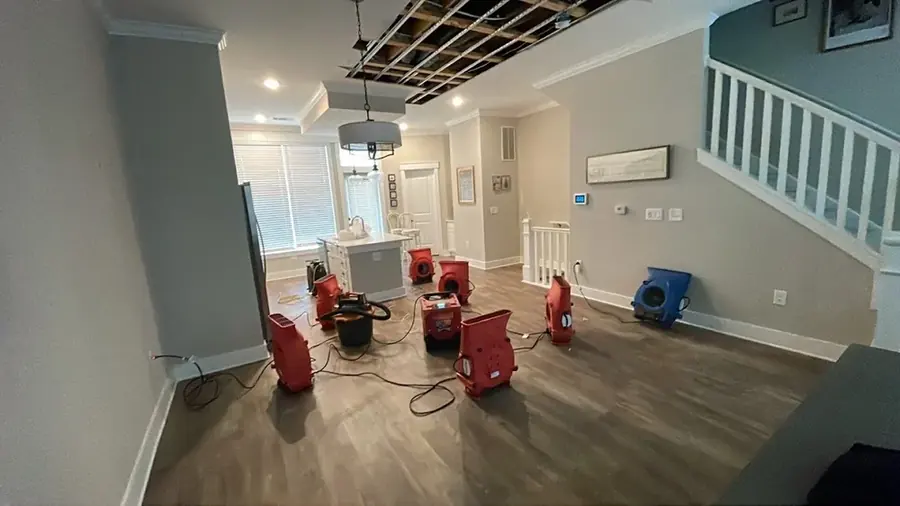 12Structural Drying & DehumidificationAir movement and dehumidification are balanced against material readings until each retained assembly reaches a defensible dry target.
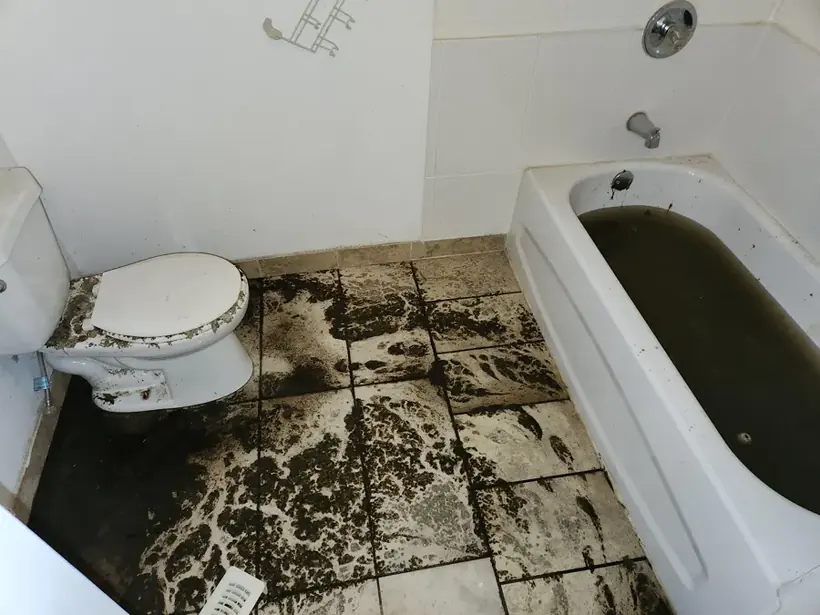 13Sewage & Black Water CleanupA sanitary release is contained from occupied rooms, porous waste is removed, remaining surfaces are cleaned, and the structure is dried.
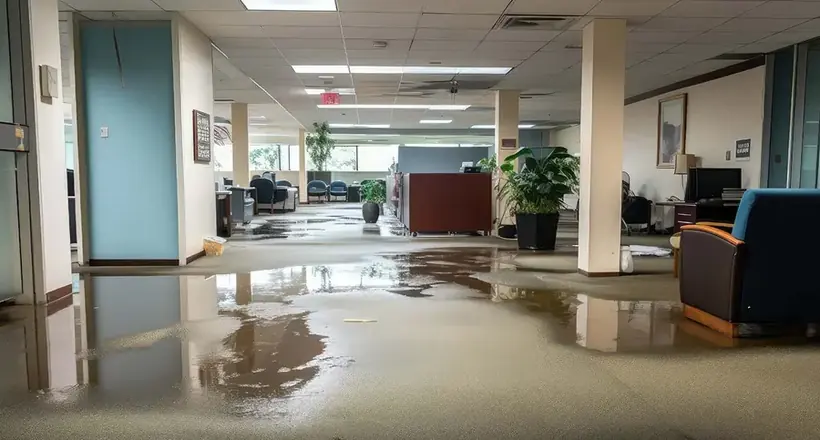 14Commercial Water DamageBusinesses receive a zoned response that separates public access from active work while equipment, readings, and affected materials are tracked.
Each phase answers a different moisture question
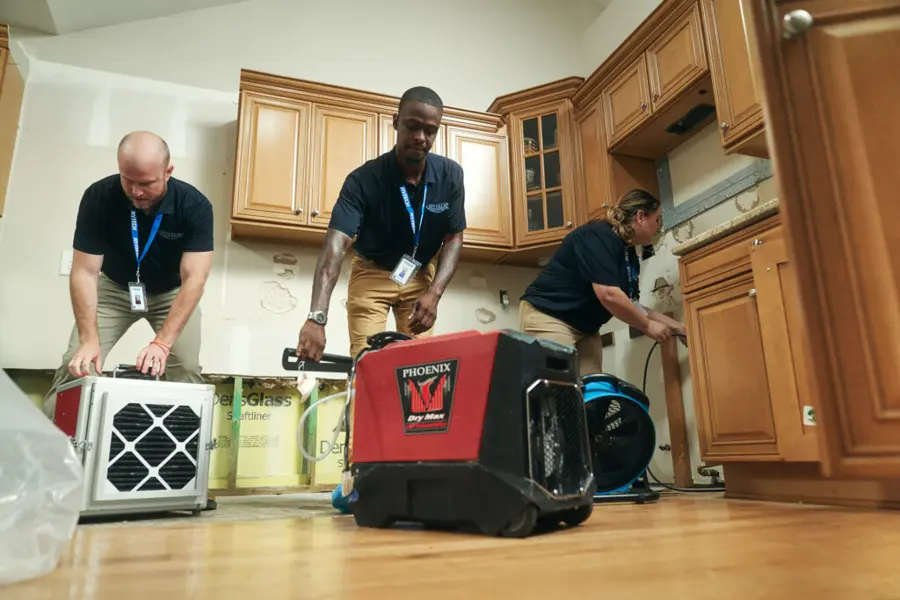
A sound drying record connects the first wet boundary to the final material condition. Equipment is selected after extraction, then moved or adjusted when temperature, humidity, and material trends show uneven progress.
- Slip 01
Locate
Compare suspected materials with unaffected references across rooms and levels.
- Slip 02
Recover
Remove accessible liquid before relying on evaporation and dehumidification.
- Slip 03
Condition
Expose retained moisture to controlled airflow while collecting released vapor.
- Slip 04
Verify
Use repeat readings to confirm completion or identify a pocket needing more access.
Reduce hazards without disturbing useful evidence
- Control the source safely Close an accessible fixture valve or building shutoff only when the route is free of water and electrical hazards.
- Keep people clear Keep people away from water near outlets, panels, or equipment until assessed.
- Photograph initial conditions Photograph water edges, stains, damaged contents, and room relationships before moving safe items.
- Limit cross traffic Do not carry wet rugs, runoff residue, or sewage debris through dry rooms because foot traffic can expand the cleanup boundary.
- List connected spaces Note rooms, cabinets, floor transitions, wall backs, and lower levels that could share the water path.
Water condition directs safety and removal
Recent supply release
A controlled pipe or fixture leak may allow durable material to remain when readings improve.
Check pipe cleanupEquipment or appliance discharge
Condensate, washer, dishwasher, and tank water can spread under cabinets or finishes before reaching the visible room.
Trace appliance waterSewage or outdoor entry
Water carrying sanitary waste, soil, or street residue requires isolation, protective handling, cleaning, and stricter porous-material decisions.
See contaminated cleanupCheck the layers beneath a dry-looking surface
Floor coverings, paint, and cabinet faces may look normal while water remains underneath or behind them. Meter comparisons keep the decision tied to material condition, not color alone.
Water paths
Seams, fasteners, wall bottoms, and openings can direct water beyond the source room.
Wet building layers
Concrete, wood, wallboard, insulation, and flooring accept and release moisture differently.
Cavity access
A closed cavity or sealed finish can prevent nearby airflow from reaching retained moisture.
Drying progress
Repeated readings reveal improvement, a stalled section, or a need to change the drying setup.
Material depth matters more than puddle size
A recent fixture leak confined to durable surfaces can require focused recovery and monitoring. Water beneath flooring, inside wall cavities, across several rooms, or mixed with sewage or outdoor debris adds access, containment, removal, cleaning, and a larger drying setup. Instrument findings establish the actual work boundary.
Limited clean-water loss
- Accessible source area
- Focused water recovery
- Minimal material removal
Multiple affected rooms
- Connected wet assemblies
- Selective cavity access
- Equipment monitoring visits
Extensive or contaminated work
- Isolation and protective controls
- Porous material disposal
- Broader cleaning and drying
These ranges frame early decisions. Source category, material readings, access, and affected area determine the property-specific scope.
Typical scenes after the source is stopped
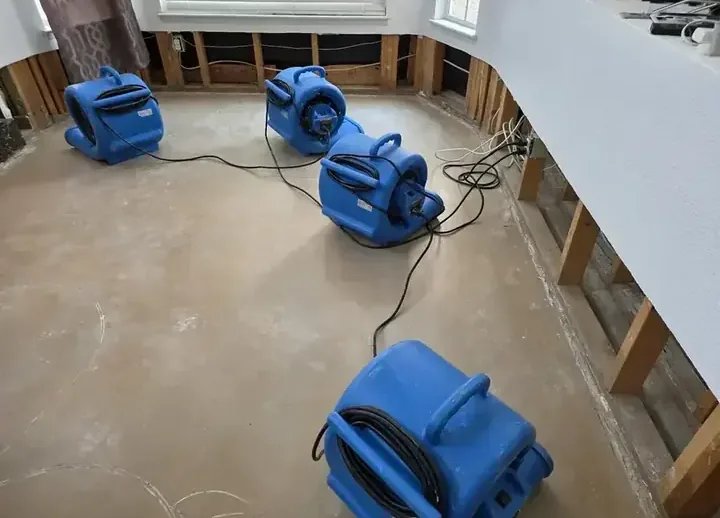
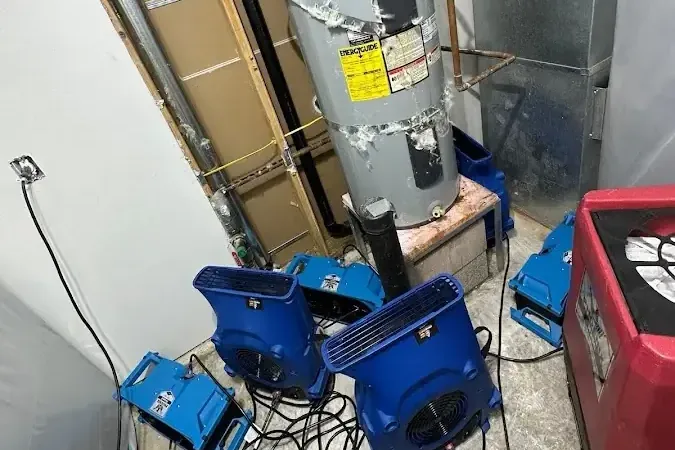
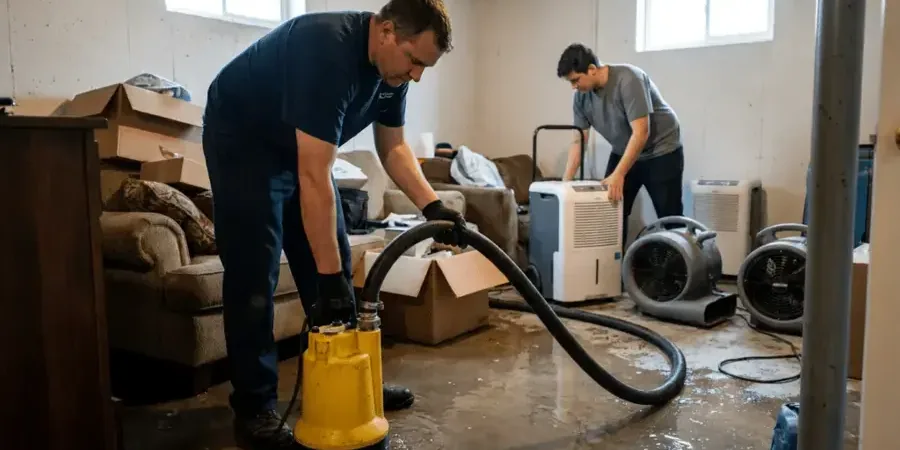
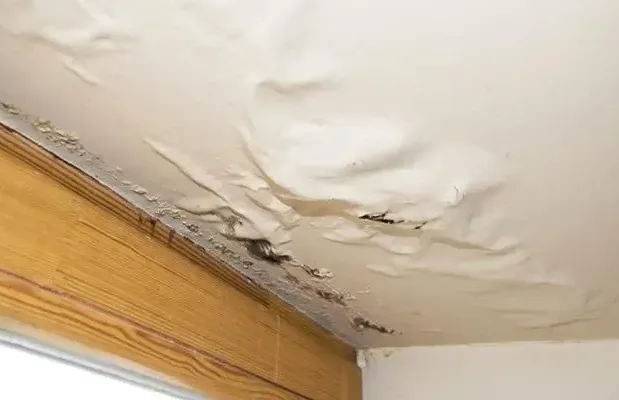
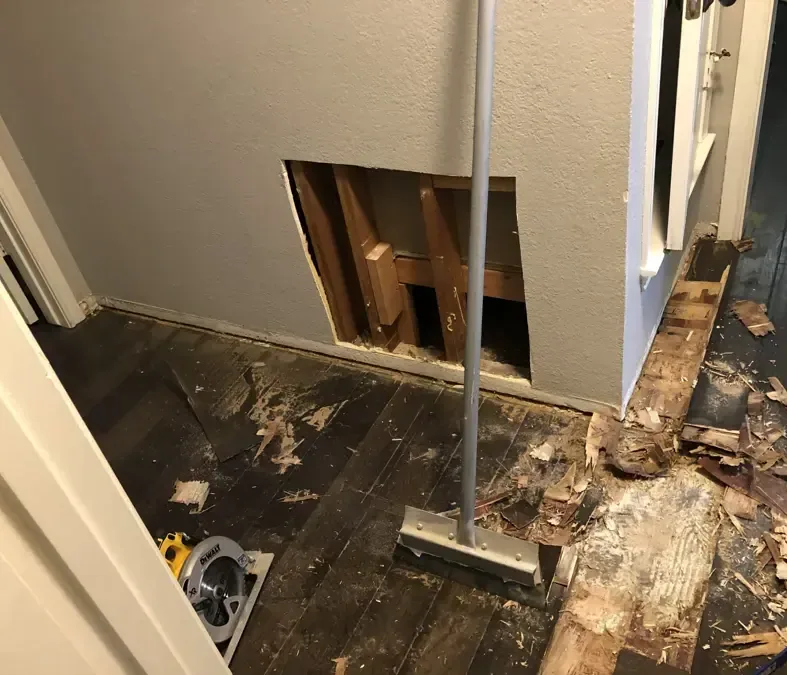
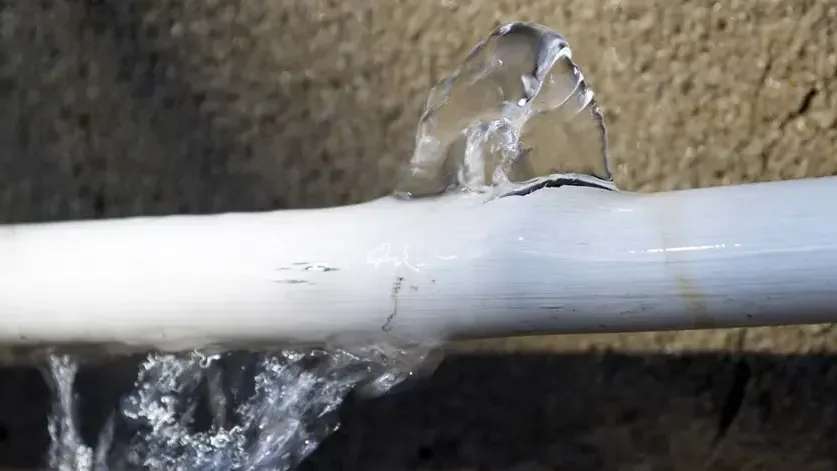
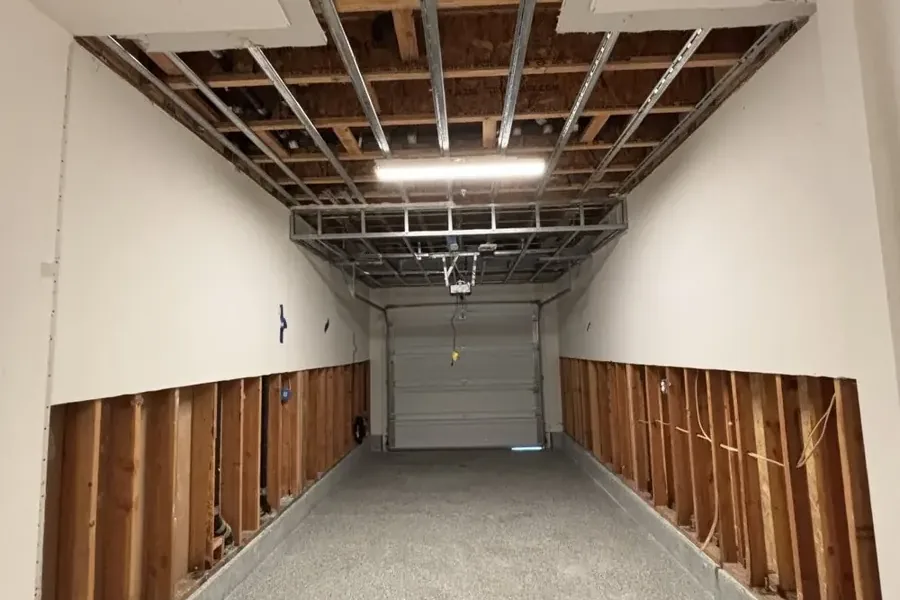
Link each finding to a room and material
Consistent room labels help photographs, meter notes, equipment records, and material decisions tell one clear story. The file should distinguish mitigation work from later repairs throughout the project, including the final handoff.
- 01Known source and shutoff status
- 02Photographs before safe movement
- 03Initial wet and dry references
- 04Equipment and reading changes
- 05Final documented scope separating mitigation from repair
The policy decides coverage
A sudden plumbing release may be assessed differently from gradual seepage, sewage, groundwater, or water entering from outdoors.
The property owner should give the insurer documented facts about the source and damage instead of assuming every cleanup item receives identical treatment.
Water damage service across Temple City
Service ZIP codes
Neighborhoods and landmarks
- Las Tunas Drive
- Kauffman Avenue
- Temple City Park
- Temple Station
- Easton Wash
Temple City coverage includes the ZIP codes and neighborhood references listed above for arranging water damage service.
A nearby landmark or cross street can help identify the property location when requesting an assessment of the affected building.
A blocked drain changed one storm event
The western San Gabriel Valley setting makes storm drainage relevant, but parcel conditions still vary. One documented event near Roseglen Street showed how an obstruction could hold rainwater until the drain was cleared and water moved toward Easton Wash.
October 2015 rainstorm
Several local streets flooded during the heavy rain. Residents reported a blocked storm drain, and clearing it allowed the accumulated water to flow into Easton Wash.
- Blocked drainage. Debris at an inlet can change how runoff collects during a single intense storm.
- Outdoor water. Street or yard water requires contaminated-water controls after it crosses into a building.
- Concealed plumbing. A hidden supply release can migrate beneath finishes before appearing in another room.
- Shared assemblies. Rental and multiunit settings may carry water through common ceilings, walls, or floor layers.
- Roof entry. Rain can travel through decking and insulation before creating a visible ceiling stain.
Water damage questions
Why inspect outside the wet room?
Water can pass under flooring and through cabinet voids. Comparing connected materials reveals whether the visible room is only part of the loss.
Does the Roseglen Street flood define every property risk?
The October 2015 event involved a storm and a drain obstruction. Current mapping and a building inspection identify parcel exposure, entry routes, and cleanup needs.
Can damp wallboard dry without removal?
Recent clean-water exposure may dry in place when the board remains sound, the cavity is accessible, and readings improve. Contamination or deterioration changes that decision.
What happens after the source is repaired?
Cleanup still addresses water that already escaped. Extraction, material assessment, humidity control, and final readings are separate from the plumbing or roof repair.
Why photograph before moving contents?
Early photographs preserve water edges, stains, source context, and original item locations. Unsafe or contaminated objects should not be handled merely for a picture.
How is a hidden wet area confirmed?
A thermal pattern can support the search, but a moisture meter or other material-specific reading confirms whether the suspected surface is actually wet.
When is outdoor water treated as contaminated?
Runoff can collect soil and street residue before entry. The response therefore uses isolation, protective handling, cleaning, and careful porous-material decisions.
What should daily drying notes contain?
Room conditions, material readings, equipment placement, and access changes create a record of progress instead of one final snapshot.
When can reconstruction begin?
Repairs should follow documented drying of retained materials. Closing an assembly early can cover a pocket that still needs conditioning.
Turn visible damage into a measured work plan
Water extraction removes recoverable liquid first. Structural drying then follows retained moisture to a fully documented finish.