24/7 water damage dispatch

Water Extraction and Removal in San Dimas, CA

When standing water spreads indoors, the restoration team maps every affected material, extracts the water, and verifies the structure against a dry reference.

(888) 578-6508Start the foothill pump-out
IICRC S500 drying standardTruck-mounted extraction24/7 dispatch
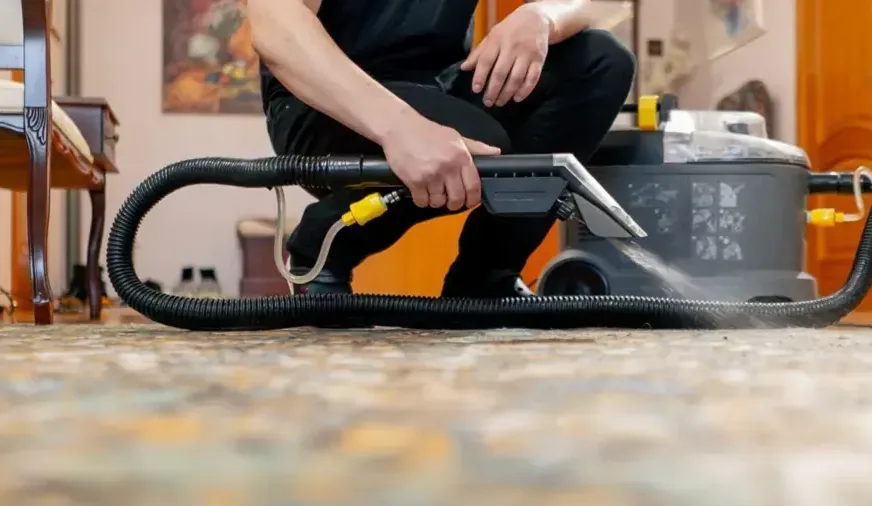
Technician using an extraction tool on wet carpet
Standing water, extraction first
Primary sourceStanding Water
First priorityStop and extract
Drying standardIICRC S500
VerificationDaily moisture readings
Right now

First steps for water extraction and removal in San Dimas

  1. 1

    Control the source

    Shut down standing water when it is safe, keep occupants away from electrical and contamination hazards, and preserve photos before materials move.

  2. 2

    Remove standing water

    The extraction crew pulls bulk water first and checks the adjoining room, cabinet base, wall cavity, and level below for hidden migration.

  3. 3

    Open only where needed

    The technician uses meter readings to decide whether trim, wet insulation, drywall, or flooring needs a controlled opening or removal.

  4. 4

    Set and verify drying

    Air movers and dehumidifiers run to the calculated load while daily readings document progress toward the dry reference goal.

How the work is done

The standard behind water extraction and removal

  • The initial map follows standing water into adjoining materials
  • Extraction comes before air movement and dehumidification
  • Daily readings are compared with a dry reference material
  • The moisture map and psychrometric log support the claim record
Get the drying started today
Typical cost ranges

What does water extraction and removal cost in San Dimas, CA?

Typical local water extraction and removal runs $1,100 to $3,800. Water category, affected square footage, material class, access, and the time before drying starts determine where a loss falls in that range.

Contained area

$1,100 to $3,000
  • Limited clean-water area
  • Extraction and drying
  • Minimal controlled removal

Several rooms

$3,000 to $6,500
  • More than one room
  • Cavity or flooring work
  • Daily readings and documentation

Complex loss

$6,500 to $12,000+
  • Contamination or large area
  • Containment and material removal
  • Longer equipment and documentation load

Typical ranges, not a quote. Room details can be entered in the water damage cost calculator.

Slip by slip

How water extraction and removal is handled in San Dimas

  1. Slip 01

    Walkthrough and moisture map

    The tech who does the walkthrough finds the source and maps wet materials with thermal imaging and pinless meters before any water extraction and removal equipment goes down.

  2. Slip 02

    Extraction

    The extraction crew pulls standing water with truck-mounted extraction, so it leaves the building instead of wicking into the next room.

  3. Slip 03

    Structural drying

    Air movers set to each room's evaporation load and LGR dehumidifiers pull moisture out of framing, drywall and the slab surface.

  4. Slip 04

    Verify and document

    Readings are logged daily. Equipment comes out when wet materials sit within 2 to 4 points of a dry reference, and the logs go in the claim file.

Water Extraction and Removal in San Dimas starts with the source, then follows the water. Around Via Verde, Arrow Highway, Cinnamon Creek, and the San Dimas Wash drainage area, the extraction crew checks adjoining rooms and the level below before placing equipment. The setting changes the inspection route, while the drying goal stays tied to readings.

What the water extraction and removal assessment covers

The technician identifies standing water, marks the visible edge, and then scans beyond it with thermal imaging and a moisture meter. That sequence keeps the work focused on wet materials instead of opening a room by guesswork. The team records an unaffected reference point in the same material whenever possible and uses it as the drying target.

  • The source and shutoff status are recorded before extraction begins.
  • Walls, flooring, cabinets, and the level below are checked for concealed migration.
  • Water category and drying class direct containment and equipment calculations.
  • Pre-removal photos preserve the condition before damaged material comes out.
  • A room-by-room moisture map follows the loss from the source to the dry boundary.
Act on safety first. Keep clear of wet outlets, sagging ceilings, slippery floors, and any water that may contain sewage or outdoor runoff. The team confirms the water category before deciding what can remain in place.

How water extraction and removal moves through local buildings

Water rarely stops at the first visible stain. It can wick through drywall paper, run beneath baseboard, follow plumbing openings, and collect under finished flooring. In foothill homes below the San Gabriel Mountains, the crew also checks whether storm runoff entered at a door, wall joint, or low opening. Properties near San Dimas Avenue and Arrow Highway may include homes, apartments, and occupied commercial spaces, so access and drying zones have to match the building.

  • Carpet pad can hold water after the face fibers feel only damp.
  • Cabinet bases and toe kicks can trap moisture against drywall and flooring.
  • Insulation slows airflow inside a wall or ceiling cavity.
  • Wood flooring can cup when moisture remains higher below the boards.
  • Concrete can release stored moisture back into a newly covered floor.
  • Multiple levels require checks below bathrooms, kitchens, mechanical closets, and roof openings.

The drying plan for water extraction and removal

The mitigation team combines truck mounted extraction and portable pumps. Extraction comes before evaporation because every gallon removed mechanically shortens the load on dehumidifiers. Air movers direct evaporation across wet surfaces, while dehumidifiers remove that moisture from the air. The crew adjusts equipment from daily temperature, humidity, and material readings rather than leaving a fixed setup untouched.

IICRC S500 terminology helps document the plan. Category describes contamination, while Class 1 through Class 4 describes how much material is wet and how difficult it is to dry. The two measurements answer different questions. The crew records both, logs equipment, and keeps the final readings with the claim file.

  • Truck-mounted or portable extraction removes bulk water first.
  • Controlled openings expose wet cavities only where readings support them.
  • Air movement is aimed across surfaces without spreading contaminants.
  • LGR dehumidification controls vapor released from building materials.
  • Daily psychrometric readings show whether the chamber is responding.
  • Equipment leaves after readings meet the dry goal, not when surfaces merely look dry.

Insurance records and local storm context

A February 2025 Southern California storm prompted evacuation orders for five San Dimas homes. That event does not define every property, but it shows why households near foothill drainage should distinguish interior plumbing water from outside storm water. The claim record should identify the source clearly because policies often treat sudden discharge and rising surface water differently.

The file normally includes the initial moisture map, category and class, timestamped photos, daily logs, removal notes, and a final dry-standard record. Property owners can examine general preparedness information from Ready.gov flood guidance and water-efficiency material from EPA WaterSense. Those sources do not replace the insurer's policy language or the on-site moisture readings.

Coverage

Water Extraction and Removal across San Dimas

Water damage restoration in San Dimas covers ZIPs 91773. Local areas include Via Verde, West San Dimas, San Dimas Avenue, Arrow Highway, Cinnamon Creek, San Dimas Wash.

See every area and ZIP covered
Answers

Water Extraction and Removal questions in San Dimas

How quickly should water extraction and removal be addressed?

Active standing water should be treated as urgent. The response team stops the source when possible, extracts visible water, and maps surrounding materials because water keeps moving into seams and cavities after the surface looks clear.

What does water extraction and removal cost in San Dimas?

The affected area, water category, material class, access, and how long materials stayed wet shape the cost. The page ranges cover common mitigation work, while the documented scope reflects the rooms and materials actually affected.

Can materials stay in place during water extraction and removal?

Clean-water drywall and framing can sometimes dry in place when readings fall steadily. Swollen materials, trapped insulation, and porous materials touched by Category 3 water require controlled removal so the remaining structure can dry.

How does the drying team verify water extraction and removal is dry?

The drying team compares daily readings with an unaffected dry reference. Equipment stays until the wet materials reach the documented goal, commonly within 2 to 4 points of the dry reference where the material allows that comparison.

What documentation follows water extraction and removal?

A useful claim file includes the moisture map, water category and class, timestamped photos before removal, daily psychrometric readings, equipment records, and a line-item scope. Coverage still depends on the property owner's policy.

Which equipment is used for water extraction and removal?

Equipment follows the actual moisture load. The crew may use truck mounted extraction and portable pumps, plus HEPA filtration or containment when contamination or demolition dust requires it.

What should occupants do before help arrives for water extraction and removal?

Shut off the source when it is safe, stay clear of wet electrical devices, photograph affected rooms, and avoid disturbing contaminated water. Keep people and pets away from unstable ceilings and slick floors.

Emergency water removal

Water Extraction and Removal in San Dimas? Start the dry-out now.

A safe shutoff stops new water. The drying team maps affected materials and begins extraction while occupants stay clear of wet outlets.

Call (888) 578-650824/7