Kitchen and laundry water restoration

Appliance Leak Water Damage in Temple City, CA

A loose hose, failed fitting, or appliance discharge can run under cabinets and flooring before reaching the open room. Cleanup starts behind the machine.

(888) 578-6508Assess the kitchen or laundry path
IICRC S500 drying standardTruck-mounted extraction24/7 dispatch
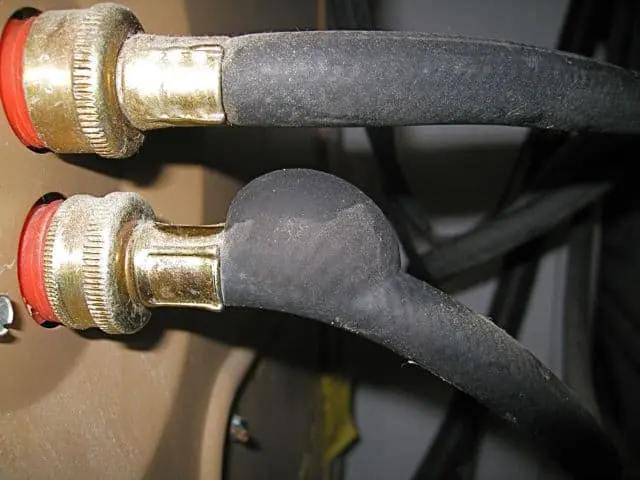
Bulging washer supply hose beside a second connection
Inspect beneath the machine and beyond the room
Common sourceswasher dishwasher refrigerator
First reachfloor seams and cabinet bases
Source taskequipment or hose repair
Mitigation taskrecover map and dry
Right now

First steps for appliance leak water damage in Temple City

  1. 1

    Stop the cycle safely

    Turn off operation and close an accessible appliance valve only when doing so does not require contact with energized equipment or unsafe water.

  2. 2

    Preserve the starting condition

    Photograph the machine position, visible connection, water edge, cabinets, flooring, and contents before safe movement changes the scene.

  3. 3

    Recover and inspect

    Extract accessible water, then check beneath the appliance, floor seams, cabinet bases, walls, neighboring rooms, and lower spaces.

  4. 4

    Dry by assembly

    Track wood, wallboard, cabinet panels, flooring, and underlayment separately until readings support completion or a documented repair decision.

How the work is done

The standard behind appliance leak water damage

  • Appliance water often enters concealed floor edges
  • Cabinet bases can hide migration from view
  • Source repair is separate from material drying
  • Rental and owner settings need clear room records
Get the drying started today
Typical cost ranges

What does appliance leak water damage cost in Temple City, CA?

Appliance leak cleanup cost depends on water volume, discharge condition, time before discovery, cabinet involvement, floor layers, access behind the machine, and whether water reached another room or level. Appliance repair is separate.

Contained area

$1,100 to $3,000
  • Single appliance footprint
  • Accessible clean-water recovery
  • Focused floor and wall checks

Several rooms

$3,000 to $6,500
  • Water under connected finishes
  • Cabinet and partition access
  • Multiple drying sections

Complex loss

$6,500 to $12,000+
  • Cross-level migration
  • Broad finish removal
  • Expanded contents coordination

Typical ranges, not a quote. Room details can be entered in the water damage cost calculator.

Slip by slip

How appliance leak water damage is handled in Temple City

  1. Slip 01

    Walkthrough and moisture map

    The tech who does the walkthrough finds the source and maps wet materials with thermal imaging and pinless meters before any appliance leak water damage equipment goes down.

  2. Slip 02

    Extraction

    The extraction crew pulls standing water with truck-mounted extraction, so it leaves the building instead of wicking into the next room.

  3. Slip 03

    Structural drying

    Air movers set to each room's evaporation load and LGR dehumidifiers pull moisture out of framing, drywall and the slab surface.

  4. Slip 04

    Verify and document

    Readings are logged daily. Equipment comes out when wet materials sit within 2 to 4 points of a dry reference, and the logs go in the claim file.

Temple City had 12,117 housing units counted in 2010, with both owner occupied and renter occupied homes represented. Those figures support varied household settings but do not identify a specific building. A washer leak near Las Tunas Drive, dishwasher release by Temple City Park, or refrigerator connection failure near Kauffman Avenue receives a property-specific inspection. Structural drying service then connect extraction with drying and documentation.

Stabilize the appliance without forcing access

If operation can be stopped and a nearby valve is safely accessible, limiting new water reduces migration. Occupants should not pull a heavy machine across a wet floor, reach behind energized equipment, or disconnect a pressurized hose without safe conditions. The responsible repair professional addresses the appliance, while the mitigation team photographs the source area and establishes a work route.

  • Initial images show appliance position, visible hose or fitting, and the water edge.
  • Electrical exposure is assessed before extraction tools enter the immediate area.
  • Contents are moved along a dry route after their condition is recorded.
  • The source-control note identifies whether water has fully stopped.
  • Equipment repair remains separate from floor, cabinet, and wall restoration.

Look beneath finishes that hide a narrow release

Appliance water can slip under a machine, pass through a flooring seam, and reach cabinet toe kicks before the center of the room becomes wet. The crew measures the source footprint, perimeter walls, adjoining cabinets, nearby rooms, and the space below where relevant. A dry-looking surface is compared with readings inside the same material.

  • Floor transitions receive separate checks for trapped water beneath their edges.
  • Toe kicks and end panels are tested without assuming the cabinet interior stayed dry.
  • Baseboard readings show whether water entered the wall bottom.
  • Ceilings below upper-level appliances are inspected for delayed staining.
  • Controlled openings are used when a sealed layer blocks inspection or drying.

Choose removal and drying by material condition

Recent clean water may allow sound durable material to remain when extraction is effective and readings improve. Swollen composite cabinets, detached flooring, saturated pad, or contaminated discharge can require removal. The response is not the same for every appliance because water quality, detergent, food residue, temperature, and discovery time all change the material decision.

  • Mechanical recovery removes liquid before dehumidification manages released vapor.
  • Loose or dirty debris is contained before active airflow begins.
  • Wood, wallboard, cabinet panels, and floor layers receive distinct targets.
  • Equipment is moved when a hidden edge improves more slowly than the open floor.
  • Water extraction in Temple City addresses broader pooling when the release crosses several rooms.

Document access and responsibility in multi-occupancy settings

In 2010, 35.8 percent of occupied local homes were renter occupied and 64.2 percent were owner occupied. Near Temple Station, Roseglen Street, or Easton Wash, an appliance-loss file should identify the unit, room, appliance, source status, affected assembly, and access limits. That shared record helps residents, owners, managers, and insurers follow the cleanup work.

  • Photographs use the same room names as moisture logs.
  • Machine movement and cabinet openings are recorded with reasons.
  • Removed materials are listed separately from appliance parts.
  • Final readings establish what dried and what still requires repair.
  • Uninspected neighboring spaces are not described as unaffected without evidence.

After the machine is returned, the surrounding finish should remain visible long enough to confirm that no new water appears. The closeout names any replacement flooring, trim, or cabinet component still pending.

Coverage

Appliance Leak Water Damage across Temple City

Water damage restoration in Temple City covers ZIPs 91780. Local areas include Las Tunas Drive, Kauffman Avenue, Temple City Park, Temple Station, Easton Wash.

See every area and ZIP covered
Answers

Appliance Leak Water Damage questions in Temple City

Should a washing machine be pulled out immediately?

Not when the floor is slippery, the machine is energized, hoses remain pressurized, or movement could tear a connection. Source control and electrical safety come first. A controlled move can then expose the footprint while preserving photographs of the original setup and water path.

How far can dishwasher water travel?

Water can pass under cabinet bases, through flooring seams, and into an adjoining wall before appearing in the open kitchen. The actual distance is determined by readings at toe kicks, end panels, floor transitions, wall bottoms, and nearby rooms, not by the puddle alone.

Can cabinets dry without being removed?

Some sound cabinet components may dry when water is clean, access is adequate, and readings improve. Swollen composite panels, trapped contamination, detached finishes, or a closed void can require selective removal. Each panel and cavity should be assessed separately.

Does the renter share determine who pays?

No. The census percentage describes occupied housing across the city and does not assign responsibility, coverage, or fault for a particular event. Lease terms, ownership, appliance responsibility, and insurance policy language must be assessed by the involved parties.

What changes when appliance discharge contains residue?

Dishwasher or washer discharge may contain detergent, food particles, soil, or other residue. The team assesses water condition before deciding what can be cleaned or retained. Traffic control and porous-material decisions may be stricter than for a recent supply connection leak.

What should the final appliance-loss file include?

It should identify the appliance and confirmed source, operation status, affected rooms, extraction work, cabinet and floor readings, openings, removed materials, equipment changes, and final comparisons. Repair of the machine should remain distinct from structural mitigation.

Emergency water removal

Appliance Leak Water Damage in Temple City? Start the dry-out now.

A safe shutoff stops new water. The drying team maps affected materials and begins extraction while occupants stay clear of wet outlets.

Call (888) 578-650824/7