Standing water recovery and assessment

Water Extraction in Temple City, CA

Removing the visible pool is the beginning. The work continues beneath flooring, along wall bottoms, and through every connected room reached by the release.

(888) 578-6508Schedule the wet-area survey
IICRC S500 drying standardTruck-mounted extraction24/7 dispatch
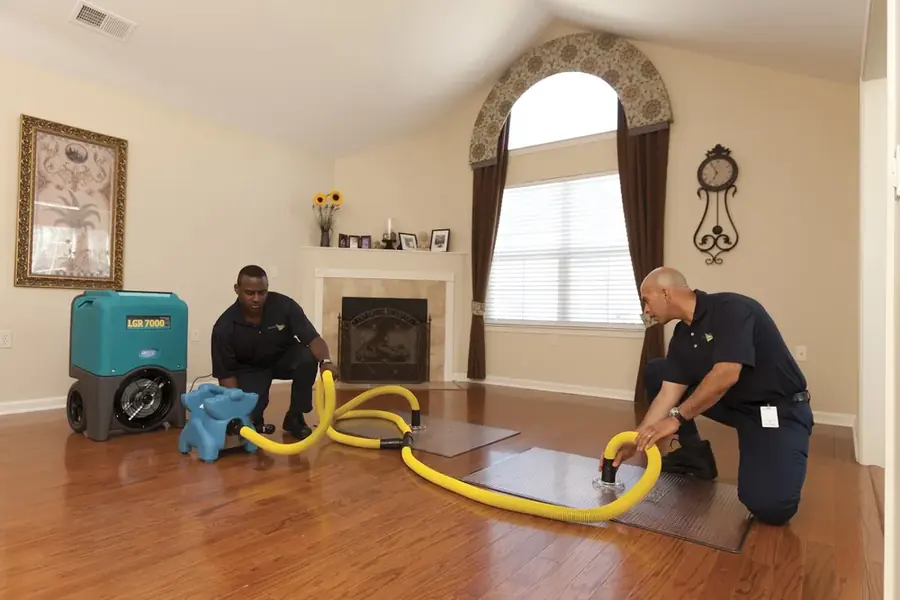
Two technicians removing water from a wood floor
Recover first, then measure deeper
Starting pointsource and water category
Primary taskmechanical water recovery
Hidden pathfloors walls and cabinets
Finish evidencestable material readings
Right now

First steps for water extraction and removal in Temple City

  1. 1

    Make access safe

    Keep people away from electrical exposure, sewage, unstable ceilings, and slippery surfaces while the source and work route are assessed.

  2. 2

    Recover accessible water

    Select pumps or extraction tools for the depth, material, and water category, then make deliberate passes through edges and seams.

  3. 3

    Check connected assemblies

    Measure floors, wall bottoms, cabinets, adjacent rooms, and spaces below after the obvious pool has been removed.

  4. 4

    Document the finish

    Continue controlled drying and record material trends until the affected assemblies meet their established comparison goals.

How the work is done

The standard behind water extraction and removal

  • Bulk recovery reduces the load on drying equipment
  • Meters test materials beyond the visible water edge
  • Contamination changes handling and removal choices
  • Completion depends on material readings rather than appearance
Get the drying started today
Typical cost ranges

What does water extraction and removal cost in Temple City, CA?

Extraction cost depends on water category, affected floor area, material layers, access, and how long water remained before recovery. A contained recent release needs fewer controls than broad outdoor water or sewage affecting several connected spaces.

Contained area

$1,100 to $3,000
  • Recent clean water
  • Direct recovery access
  • Limited drying equipment

Several rooms

$3,000 to $6,500
  • Connected wet finishes
  • Cavity and edge checks
  • Repeated moisture records

Complex loss

$6,500 to $12,000+
  • Contamination controls
  • Porous material handling
  • Expanded drying zones

Typical ranges, not a quote. Room details can be entered in the water damage cost calculator.

Slip by slip

How water extraction and removal is handled in Temple City

  1. Slip 01

    Walkthrough and moisture map

    The tech who does the walkthrough finds the source and maps wet materials with thermal imaging and pinless meters before any water extraction and removal equipment goes down.

  2. Slip 02

    Extraction

    The extraction crew pulls standing water with truck-mounted extraction, so it leaves the building instead of wicking into the next room.

  3. Slip 03

    Structural drying

    Air movers set to each room's evaporation load and LGR dehumidifiers pull moisture out of framing, drywall and the slab surface.

  4. Slip 04

    Verify and document

    Readings are logged daily. Equipment comes out when wet materials sit within 2 to 4 points of a dry reference, and the logs go in the claim file.

A puddle beside Las Tunas Drive, near Temple City Park, or around the Easton Wash area can have a plumbing, appliance, roof, sewage, or storm source. The address context does not decide the method. Technicians first control or identify the source, classify the water, and mark how far it traveled. Storm water cleanup connect that first recovery step with cleaning and structural drying.

Draw the wet boundary before placing equipment

Water follows seams, low points, fastener holes, and openings around pipes. It may pass under a finished floor or enter a partition while the center of the room begins to look dry. The inspection begins at the release and expands through connected rooms, the opposite side of walls, cabinets, closets, and any level below. An unaffected area provides a comparison for material readings.

  • Photographs preserve the initial water edge and source condition before safe items are moved.
  • Floor transitions are checked separately because each finish and underlayment holds water differently.
  • Baseboard and toe kick readings can reveal moisture outside the obvious pool.
  • Electrical exposure, a sagging ceiling, and contamination are addressed before extraction begins.
  • The mapped boundary becomes the reference for later equipment and completion notes.

Choose recovery tools for the surface and depth

Deep standing water, a shallow hard-floor spread, and saturated carpet do not call for the same equipment. A pump can lower a deeper pool, while a portable or weighted extraction tool may recover water from carpet and pad. Edges, seams, and confined recesses need deliberate passes so the crew does not mistake a clear surface for an empty assembly.

  • Work paths keep hoses and footwear from carrying residue into unaffected rooms.
  • Carpet pad is evaluated apart from face fiber because it can hold a large hidden reservoir.
  • Cabinet voids may need controlled access when readings remain elevated behind finished panels.
  • Outdoor runoff and sewage require isolation before recovery tools cross the affected zone.
  • Each pass is judged by recovered water and follow-up readings, not speed alone.

Shift from liquid removal to vapor control

Mechanical extraction is more efficient than asking air movers and dehumidifiers to process liquid left in porous materials. Once accessible water is removed, the drying setup targets retained moisture. Air is directed across safe exposed surfaces, while dehumidification collects water released into the room. Equipment positions change when one wall, floor section, or cabinet base responds more slowly.

  • Room temperature and humidity show whether evaporation is being managed.
  • Wood, wallboard, concrete, and flooring receive separate comparison targets.
  • Wet insulation can prevent cavity drying even when the painted face looks normal.
  • Daily material readings show a trend and expose areas that have stalled.
  • Structural drying support continues after the pump-out until retained assemblies meet their goals.

Build a closeout that explains what changed

The final record should connect the first inspection with the last reading. It identifies the source status, affected rooms, water category, materials removed or retained, equipment changes, and remaining repair needs. Local references such as Roseglen Street, Kauffman Avenue, or Temple Station can organize location notes, but the documentation inside the property must stay specific to rooms and assemblies.

  • Room names remain consistent across photographs, sketches, and meter logs.
  • Dry references are recorded beside the affected material type.
  • Inaccessible spaces are disclosed instead of being assumed dry.
  • Cleaning and removal decisions are separated from reconstruction work.
  • The closing entry states which material readings supported equipment removal.
Coverage

Water Extraction and Removal across Temple City

Water damage restoration in Temple City covers ZIPs 91780. Local areas include Las Tunas Drive, Kauffman Avenue, Temple City Park, Temple Station, Easton Wash.

See every area and ZIP covered
Answers

Water Extraction and Removal questions in Temple City

Why is the floor still damp after the water is gone?

Water may remain in carpet pad, underlayment, seams, or the joint where flooring meets a wall. Surface recovery removes what tools can reach directly. Material readings then locate retained moisture and show whether access, another extraction pass, airflow, or dehumidification is needed.

Does the documented Roseglen Street storm change every extraction job?

The obstructed drain was part of one October 2015 street-flooding event. For a new release, the crew inspects the source, water category, affected finishes, and moisture readings inside the building, then chooses the recovery tools and containment needed there.

Can carpet be saved after a supply pipe leak?

Carpet may remain when exposure is recent, the water is clean, the backing is stable, and recovery is effective. Pad is assessed separately because it can trap water. Sewage, outdoor runoff, delamination, odor, or poor drying progress can make removal appropriate.

What changes when the water came from outdoors?

Outdoor water can carry soil and street residue into the building. The affected area is isolated, traffic is controlled, and porous-material decisions become more conservative. Recovery equipment and protective practices are selected to avoid moving contamination into clean rooms.

Why are cabinets checked during extraction?

Water can travel beneath a cabinet base or enter a toe kick opening without wetting the visible door face. Technicians compare accessible panels, nearby flooring, and the wall behind the run. Controlled openings may be needed when readings show a trapped reservoir.

When does the drying phase start?

Drying begins as safe surfaces become available, but extraction continues wherever liquid can still be recovered. Air movement encourages evaporation and dehumidification collects released vapor. Repeated measurements show whether the equipment arrangement is reaching every affected material.

Emergency water removal

Water Extraction and Removal in Temple City? Start the dry-out now.

A safe shutoff stops new water. The drying team maps affected materials and begins extraction while occupants stay clear of wet outlets.

Call (888) 578-650824/7