Standing water removal and drying

Water Extraction in Claremont, CA

Pumps remove the visible water, while meters reveal where moisture entered floor layers, wall bases, cabinets, and rooms beyond the first puddle.

(888) 578-6508Trace and remove the water
IICRC S500 drying standardTruck-mounted extraction24/7 dispatch
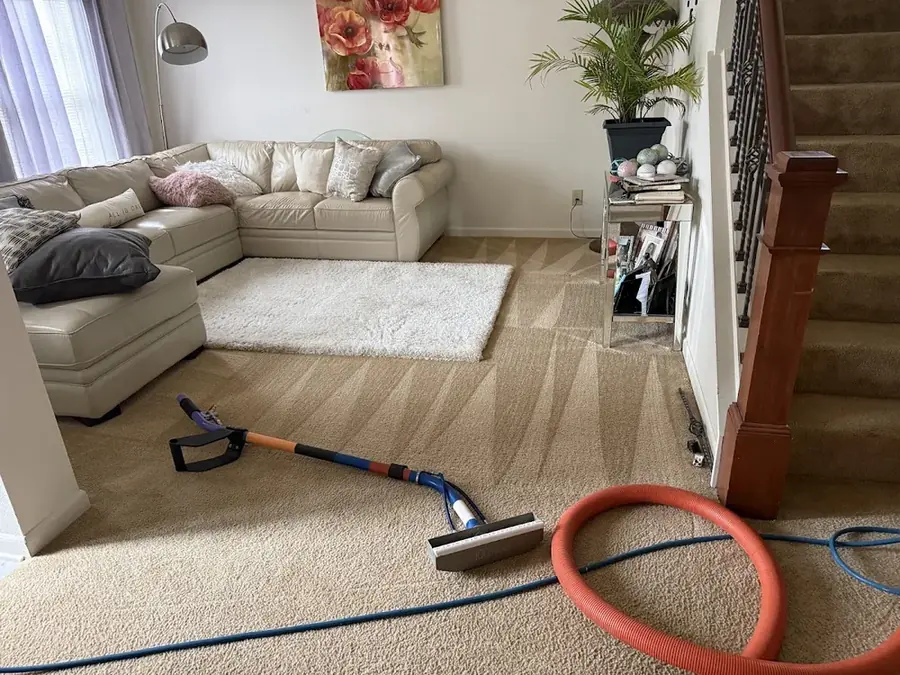
Extraction hoses and wand on a living room floor
Water removal guided by readings
Sourcegroundwater or building leak
First actionstop flow and pump
Hidden concernfloor and wall migration
Completionmaterial readings
Right now

First steps for water extraction and removal in Claremont

  1. 1

    Make the area safe

    Stop the source when possible, avoid wet electrical components, and keep people away from sagging ceilings or contaminated water.

  2. 2

    Remove liquid water

    Select pumps and extraction tools for the depth, surface, and water category without tracking moisture into dry rooms.

  3. 3

    Trace concealed migration

    Check wall bases, floor layers, cabinets, adjacent rooms, and the level below with instruments after the visible pool is gone.

  4. 4

    Confirm the drying result

    Log room conditions and material readings until each affected assembly reaches the comparison target established in the building.

How the work is done

The standard behind water extraction and removal

  • Pumping removes bulk water before controlled drying begins
  • Moisture meters define the boundary beyond the visible pool
  • Different materials require separate drying targets
  • Final readings show whether the assembly reached its goal
Get the drying started today
Typical cost ranges

What does water extraction and removal cost in Claremont, CA?

Typical local water extraction and removal runs $1,100 to $3,800. Water category, affected square footage, material class, access, and the time before drying starts determine where a loss falls in that range.

Contained area

$1,100 to $3,000
  • Recent clean water
  • Focused extraction work
  • Limited material handling

Several rooms

$3,000 to $6,500
  • Connected wet spaces
  • Floor and cavity checks
  • Daily drying records

Complex loss

$6,500 to $12,000+
  • Broad or contaminated water
  • Containment and removal
  • Extended equipment planning

Typical ranges, not a quote. Room details can be entered in the water damage cost calculator.

Slip by slip

How water extraction and removal is handled in Claremont

  1. Slip 01

    Walkthrough and moisture map

    The tech who does the walkthrough finds the source and maps wet materials with thermal imaging and pinless meters before any water extraction and removal equipment goes down.

  2. Slip 02

    Extraction

    The extraction crew pulls standing water with truck-mounted extraction, so it leaves the building instead of wicking into the next room.

  3. Slip 03

    Structural drying

    Air movers set to each room's evaporation load and LGR dehumidifiers pull moisture out of framing, drywall and the slab surface.

  4. Slip 04

    Verify and document

    Readings are logged daily. Equipment comes out when wet materials sit within 2 to 4 points of a dry reference, and the logs go in the claim file.

The Stone Canyon groundwater flooding showed why pumping alone does not define a dry building. In Claremont, an extraction plan begins at the visible pool and expands through every connected material. Stone Canyon, Indian Hill, Claremont Depot, and San Antonio Creek provide useful location context, but the meter readings inside the property decide the actual work boundary. The local restoration overview explains how extraction fits into the complete response.

Finding the edge of a groundwater or plumbing loss

Portable pumps can lower standing water quickly, yet carpet pad, wallboard, wood trim, and cabinet bases may keep holding moisture. The technician starts with the source room, then compares readings in adjoining spaces and an unaffected reference area. A thermal image can point toward a temperature difference, while a moisture meter confirms whether the material is wet.

  • The walkthrough includes the level below and the opposite side of shared walls.
  • Floor transitions receive separate readings because water can travel beneath a dry-looking finish.
  • Photographs record the original water level and any contents moved for access.
  • Sewage or outdoor runoff changes the safety and removal plan before pumping starts.
  • The crew marks a dry boundary instead of assuming that the last visible stain is the limit.

Choosing extraction tools without spreading the loss

A shallow hard-surface pool, saturated carpet, and water collected inside a wall cavity require different removal methods. The extraction crew may combine a submersible pump, a weighted carpet tool, or a portable extractor. Work proceeds from controlled areas toward wetter sections so foot traffic and hoses do not carry contamination into unaffected rooms.

  • Loose rugs and small contents are moved only after their condition is photographed.
  • Carpet pad may be lifted or removed when trapped water cannot be recovered through the face fiber.
  • Toe kicks can be opened when cabinet voids show elevated readings.
  • Wet insulation is evaluated separately because it can block airflow inside a cavity.
  • Each extraction pass is followed by another reading rather than a visual guess.

Turning a pump-out into a verified dry-out

Mechanical removal reduces the load that air movers and dehumidifiers must handle. After extraction, the drying team groups materials by how they release moisture and places equipment to create a controlled path from the wet surface to the dehumidifier. Daily temperature, humidity, and material readings show whether the setup is working.

  • Airflow is directed across exposed wet surfaces without blowing through contaminated debris.
  • Dehumidification capacity is adjusted when room conditions stop improving.
  • Wood, concrete, and wallboard receive separate targets because they dry at different rates.
  • Equipment is moved when one side of an assembly lags behind the rest of the room.
  • Structural drying in Claremont continues until the recorded material goal is reached.

What the completion record should show

A useful closeout connects the initial condition with the final decision. It identifies which rooms were measured, which materials remained, what was removed, and how the equipment plan changed. For a loss near The Webb Schools or elsewhere in the foothill setting, that sequence matters more than a photograph of an empty room because concealed surfaces may not appear in a wide image.

  • Final photographs use the same room names recorded during the first walkthrough.
  • Material readings are associated with specific walls, floors, cabinets, or framing.
  • Humidity records show how water vapor changed during the work.
  • Any inaccessible area is identified instead of being assumed dry.
  • The closing note separates completed mitigation from later repair work.
Coverage

Water Extraction and Removal across Claremont

Water damage restoration in Claremont covers ZIPs 91711. Local areas include Stone Canyon, Indian Hill, Claremont Depot, Claremont Colleges, The Webb Schools.

See every area and ZIP covered
Answers

Water Extraction and Removal questions in Claremont

Why can a room still be wet after pumping?

Liquid water can remain beneath flooring, inside carpet pad, behind baseboard, or in wall insulation after the exposed surface is clear. Moisture readings are used to find those reservoirs before drying equipment is placed. A second extraction pass may be needed when pressure on carpet or a floor seam releases water that the first pass did not reach.

Does the Stone Canyon event change the extraction method?

The reported groundwater flooding supports checking beyond visible pools and watching for continuing entry. The actual method still depends on the source, water category, building materials, and readings found at the property.

Can carpet remain after a clean water loss?

Carpet may remain when the water is recent and clean, the backing is stable, and extraction removes moisture effectively. Pad and contaminated carpet are evaluated separately because they retain water and are harder to clean in place.

What records belong with water extraction?

Useful records include source notes, photographs before movement, the initial moisture map, equipment placement, daily room conditions, material readings, and a final comparison with dry material in the same building.

Why is outdoor water handled differently?

Water entering from soil or runoff can carry contaminants that a broken supply pipe does not. The crew identifies the category before choosing personal protection, containment, removal, and cleaning steps.

When does structural drying begin?

Drying starts as liquid water is removed and safe surfaces become available for airflow. Extraction continues where needed because mechanically removing water is more efficient than asking dehumidifiers to process that same liquid.

Emergency water removal

Water Extraction and Removal in Claremont? Start the dry-out now.

A safe shutoff stops new water. The drying team maps affected materials and begins extraction while occupants stay clear of wet outlets.

Call (888) 578-650824/7