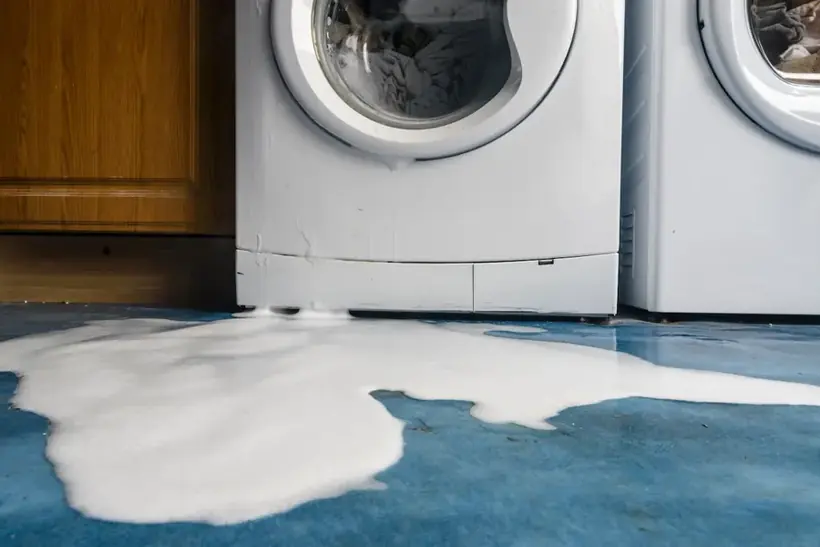
A washing machine, dishwasher, refrigerator connection, or nearby drain can release water across several rental finishes before anyone sees the source. The immediate priorities are to stop the appliance safely, notify the property contact, and keep people away from wet electrical components. A Claremont appliance leak response then traces water through flooring edges, cabinet bases, walls, and any space below. Clear notes help residents, owners, and managers coordinate access without turning the restoration crew into the decision maker for lease responsibility.
Control the appliance and report the loss
If it is safe, the occupant can stop the appliance and use an accessible shutoff without stepping into water near electrical equipment. A plumber or appliance professional should address the failed hose, fitting, pump, drain, or component. The restoration team needs confirmation that water is no longer entering before it can establish an effective drying plan.
A prompt message to the owner or property manager creates a time record and starts access coordination. The notice can state when water was first observed, which appliance was operating, which rooms appear affected, and whether a shutoff occurred. It does not need to assign fault.
Claremont's 2010 Census housing figures included both owner-occupied and renter-occupied homes, with renters representing 33.7 percent of occupied housing. That citywide fact does not determine the arrangement in a particular property. The lease and applicable rules belong with the parties or their advisers, while the crew documents physical conditions.
- Stop the appliance if it can be done safely
- Notify the property contact in writing
- Photograph the initial water extent
- Preserve the failed part for the responsible professional
Follow water past the appliance footprint
An appliance may hide the first wet area behind or beneath its cabinet opening. Water can then move under adjacent flooring, into a wall base, across a shared kitchen or laundry threshold, or through a penetration to the level below. Moving the appliance may require coordination to prevent more damage.
The inspection compares affected materials with dry references of the same type. Cabinet end panels, toe kicks, baseboards, flooring seams, and nearby closets receive separate readings. In a multilevel rental, the ceiling below should also be checked even when no stain has appeared.
The Claremont Colleges, Indian Hill, and the local depot are distinct local settings, but building assemblies vary across the city. The team does not assume one flooring, pipe, or foundation type. It records what is accessible in the specific unit.
Protect occupants and neighboring units
Wet electrical connections, slippery flooring, and unstable ceiling material can make ordinary movement unsafe. The affected appliance should remain off until the relevant professional clears it. Children, pets, and other residents should stay out of the work zone.
Water in a rental may cross a party wall or floor-ceiling assembly. Management can help arrange entry to the neighboring space so the crew can check for migration. Waiting for a visible stain may allow a concealed cavity to remain wet longer.
Contents should be moved with a simple inventory when access permits. Dry items go to a protected area, while wet belongings remain separated for evaluation. Photographs before movement reduce confusion about where each item was found.
- Do not reconnect a wet appliance
- Check the unit below when a penetration may carry water
- Create a clean path for equipment
- List contents moved from the affected area
Extract water and evaluate finishes
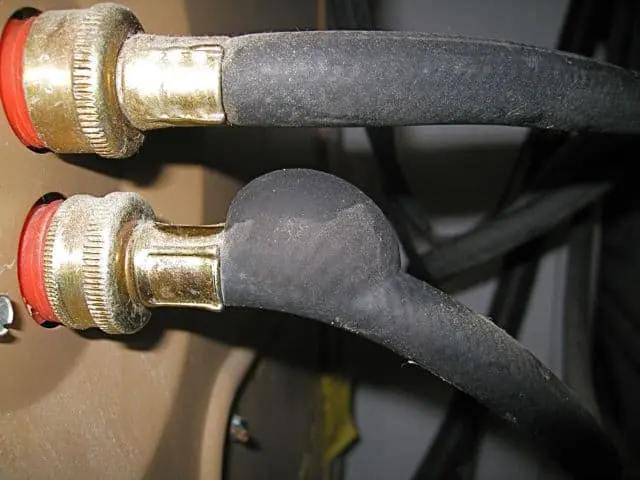
Accessible liquid is removed before the drying phase. Hard surfaces may allow direct extraction and cleaning, while carpet, pad, floating flooring, or cabinet voids can hold water out of sight. The crew chooses methods based on the material and the mapped path.
Not every wet finish requires removal, and not every finish can remain. Swelling, delamination, contamination, loss of adhesion, and lack of drying access influence that decision. A documented reason for removal is more useful than a broad rule based only on the room name.
The water damage cost calculator can help organize the apparent number of rooms and affected materials. Rental coordination, concealed spread, and access behind appliances can change the actual work. An inspection supplies the property-specific scope.
Coordinate drying access
Equipment needs stable power, open airflow paths, and scheduled monitoring. Residents and managers should agree on entry arrangements and any security instructions before the crew leaves machinery in place. Missed access can delay measurements and prevent timely adjustments.
Air movers direct evaporation across mapped surfaces, and dehumidifiers collect moisture released into the air. Cabinet doors or controlled openings may improve circulation when the material can remain. The crew should avoid configurations that block a required exit or create an unsafe cord path.
Golden State Water serves the Claremont Customer Service Area and identifies local groundwater as a drinking-water supply. That utility context does not identify the private appliance failure or decide who repairs it. The component and building evidence determine the response.
- Agree on monitoring windows and entry instructions
- Keep equipment controls unobstructed
- Report any shutdown or moved machine promptly
- Maintain access to every marked reading point
Use records without assigning lease responsibility
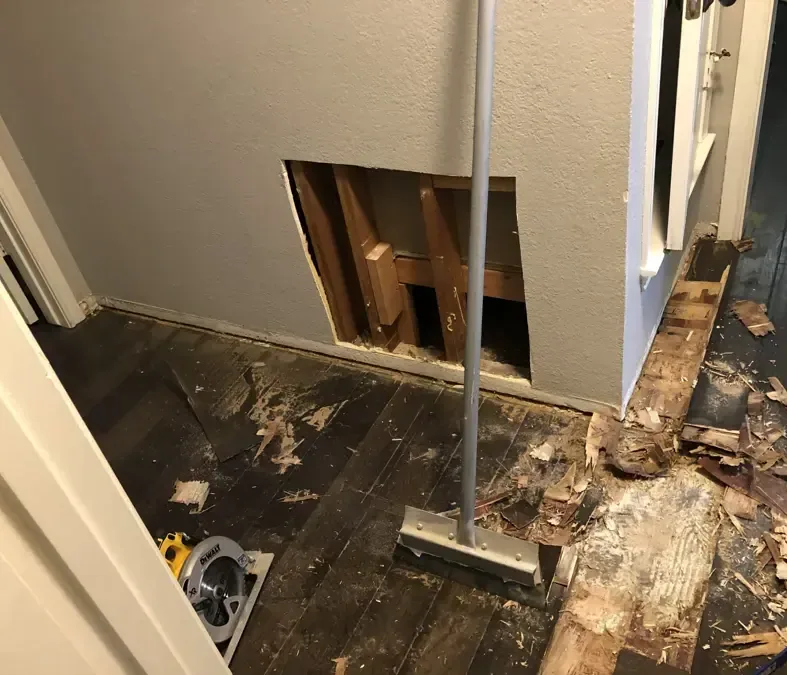
The restoration file records the reported source, water path, affected materials, equipment, and drying progress. The property parties and insurer use that record alongside lease terms, appliance ownership records, and policy conditions when discussing repair responsibility and costs.
Useful records include the property notice, photographs, plumber or appliance findings, moisture maps, content inventories, and final readings. Each entry should carry a date and identify the room. Clear records also help coordinate repairs after drying.
The Claremont water damage page connects to local services, while the wider service area shows coverage beyond the city. Project records remain tied to the actual rental, its participants, and its material conditions.
Confirm dryness before finish repairs
A surface can appear normal before the layer behind or beneath it is ready for repair. Final readings should cover every location on the initial map, including cabinet bases and the room below when applicable. Matching dry references help support the endpoint.
A specific groundwater event occurred in the Stone Canyon development in April 2023, affecting more than two dozen homes. That reported event should not be used to explain water beside an operating appliance elsewhere. The team keeps unrelated regional events out of the causation record.
Once the failed component is addressed and affected materials reach stable conditions, finish repairs can be planned. The closeout file should state what dried, what was removed, and what still awaits repair. That separation gives residents and property representatives a shared factual record.
- Recheck hidden edges before equipment removal
- Save appliance and plumbing findings
- List materials removed and retained
- Provide final readings to the property contact
Questions
Who is responsible for a rental appliance leak?
The restoration crew does not decide lease or legal responsibility. It documents the source information, water path, material condition, and drying work.
Should the appliance be moved immediately?
Movement should be coordinated when weight, connections, trapped water, or flooring damage could create additional risk. A qualified appliance or plumbing professional may be needed.
Why check the room below?
Water can move through pipe and utility penetrations before a ceiling stain forms, so a lower-level inspection can identify concealed spread sooner.
When can finish repairs start?
Repairs can be planned after the source is corrected, required removal is complete, and affected materials have reached documented stable conditions.