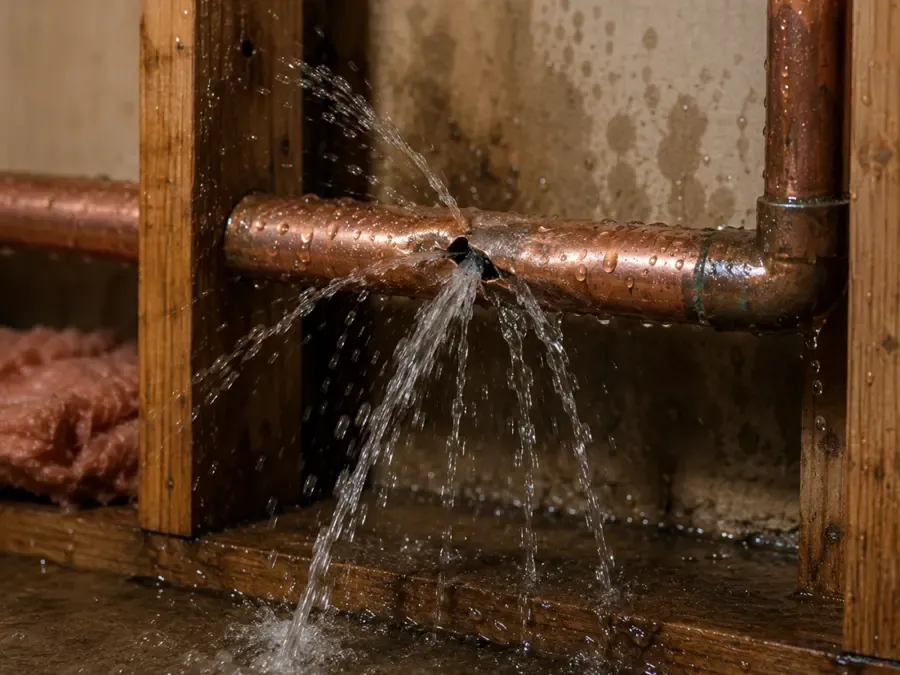
An unexpected usage alert can be the first sign that water is moving somewhere it should not. Corona Utilities is upgrading smart water meters citywide, giving customers hourly usage data and leak alerts through its customer portal. An alert identifies unusual consumption, but it does not identify the wet room, the failed component, or the path water followed. A measured interior inspection connects that account information with conditions inside the building. When finishes are wet, Corona water extraction can then address the water that actually reached floors, walls, cabinets, or contents.
What the meter alert can establish
Hourly water data can show that consumption continued during a period when little or no use was expected. That pattern helps a property owner choose where to begin looking. It cannot distinguish a leaking toilet from a supply failure, a damaged appliance hose, outdoor irrigation, or another water use without an on-site check.
Corona Utilities provides both water and sewer services, and its customer portal supplies the smart-meter alert. The restoration team uses that information as timing context rather than as a diagnosis. The first inspection still follows plumbing fixtures, appliance connections, accessible pipe routes, and visible changes in building materials.
A short spike and a long continuous pattern can lead to different questions. Occupancy, scheduled irrigation, recent cleaning, and appliance cycles may explain some use. If no ordinary activity matches the data, the owner can shut off the suspected component where safe and arrange plumbing repair before wet materials continue absorbing water.
- Note when the portal first showed unusual use
- Check fixtures and appliances without disturbing wet finishes
- Record any shutoff or plumbing repair time
- Photograph stains, swelling, and standing water
Trace water inside the building
Water rarely remains directly beneath its source. It can run along cabinet bases, cross a doorway under finished flooring, or enter a wall opening before appearing in another room. A visual check therefore begins the investigation but does not define the complete affected area.
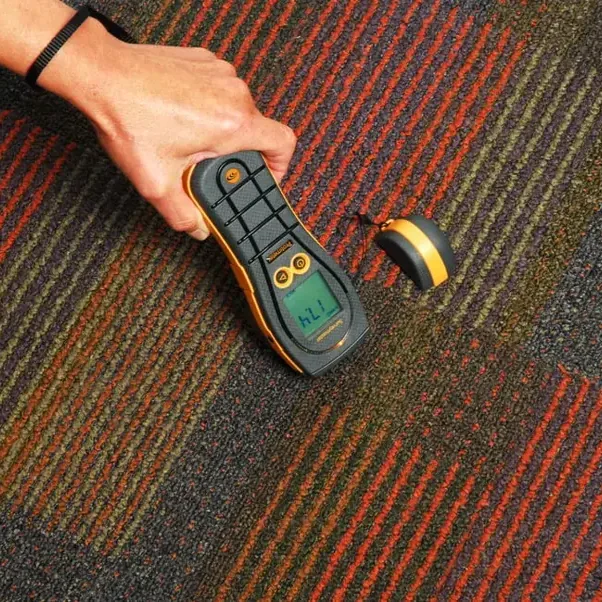
The extraction crew compares readings from the suspected source area with readings from dry materials of the same type. This helps separate normal variation from a meaningful moisture pattern. Baseboards, toe kicks, adjoining rooms, and the edges of hard flooring deserve attention when the alert continued for hours.
Properties around Grand Boulevard include varied residential and business spaces, so access and finish assemblies differ. The inspection should follow the building in front of the crew rather than assume one construction type across the community. A clear moisture sketch gives the drying plan a practical boundary.
Remove water after the source stops
Extraction starts after the active release has been controlled. Standing water receives priority because removing liquid mechanically is faster than asking air movement and dehumidification to handle the same volume as vapor. The crew also protects unaffected traffic paths and identifies items that need to be moved for access.
Carpet, pad, hard flooring, and wall finishes react differently. Some assemblies allow access at an edge, while others need a more direct evaluation for trapped water. The decision should be based on condition, contamination, adhesion, and the ability to monitor what lies underneath.
For broader planning, the water damage cost calculator can organize questions about affected rooms and materials. It is not a substitute for an inspection. Actual scope depends on the water path, the time before discovery, and what can be dried in place.
- Extract open water and accessible saturated surfaces
- Separate wet contents from dry storage areas
- Avoid powering equipment through wet electrical areas
- Document disposal decisions before material removal
Build a drying plan from evidence
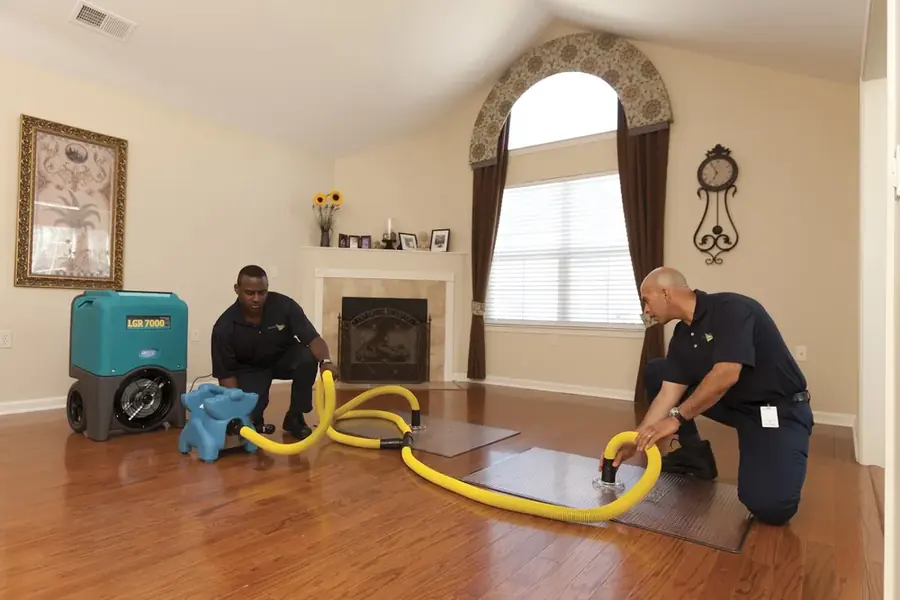
After bulk water is gone, evaporation and dehumidification address moisture held in porous materials. Air movers should be placed for the actual wet boundary, not simply pointed at the most obvious stain. Dehumidification capacity must also match the volume of damp material and the enclosure around it.
Readings taken at consistent locations show whether the system is working. A surface that feels dry can still have elevated moisture below or behind it. Daily records help the drying team adjust equipment, open a stubborn assembly when needed, and avoid ending the process on appearance alone.
Winter frost and chilly mornings occur locally, while snow inside the city is rare. Interior temperature and ventilation still vary by building and season. Equipment decisions should follow measured indoor conditions rather than a broad weather assumption.
Look beyond the room with the fixture
A leak near a kitchen, laundry area, or bathroom may cross into a hall, closet, or adjoining occupancy before it becomes visible. Water can also move downward through penetrations in a multilevel building. Each connected area needs its own observations and readings.
The Santa Ana Mountains border Corona on several sides, while the city reaches the upper end of the Santa Ana River Canyon. Those regional features help describe the city but do not explain an indoor meter alert. The cause must be established at the property through plumbing and moisture evidence.
FEMA identifies special flood hazard areas near the Santa Ana River corridor, but a utility usage alert points toward metered consumption rather than proving river or storm entry. If outdoor water is also present, the team should keep the two sources separate in notes and photographs.
- Inspect the room below when water can move vertically
- Check both sides of a shared wet wall
- Compare closets and cabinets with nearby open flooring
- Keep outdoor runoff observations separate from supply-water findings
Coordinate repair and restoration records
A plumber determines and repairs the failed plumbing component. The mitigation team documents where water traveled, removes accessible liquid, and dries affected materials. Keeping those roles clear reduces gaps between stopping the release and stabilizing the building.
Useful records include the alert time, hourly usage screen, photographs, moisture map, equipment placement, and progress readings. Material condition and access decisions should also be noted. These records allow an owner, manager, or insurer to understand why a particular room or assembly entered the scope.
The Corona service area page connects local property owners with the available water-damage services. The broader service area also shows nearby communities served by the response team. Neither replaces the property-specific findings that control the work.
Know when the drying phase is complete
Completion depends on stable material readings compared with appropriate dry references. It does not depend on the disappearance of a puddle or stain alone. The crew should also confirm that no active use pattern or plumbing symptom is adding new water.
If one material remains elevated while surrounding finishes improve, the team investigates the reason. Hidden layers, limited airflow, or a missed pathway may require a change in access or equipment. The drying record should explain that change and the later result.
A smart meter can make unusual use visible sooner, but the building still supplies the final evidence. Prompt investigation, source control, careful extraction, and measured drying turn a digital alert into a defensible restoration plan.
- Confirm the plumbing release has stopped
- Check readings at all mapped locations
- Remove equipment only after stable progress
- Retain photographs and the final moisture record
Questions
Does a smart meter alert locate a leak?
No. It identifies unusual usage that warrants investigation, while an on-site plumbing and moisture check locates the source and affected materials.
Should extraction begin before plumbing repair?
The active release should be controlled first whenever possible. Extraction can then remove water without new flow continuing into the area.
Can water spread beyond the visible stain?
Yes. It can travel under flooring, along cabinet bases, through wall openings, and into adjoining rooms or lower levels.
What proves that drying is finished?
Stable readings at mapped materials, compared with suitable dry references, provide stronger evidence than touch or appearance alone.