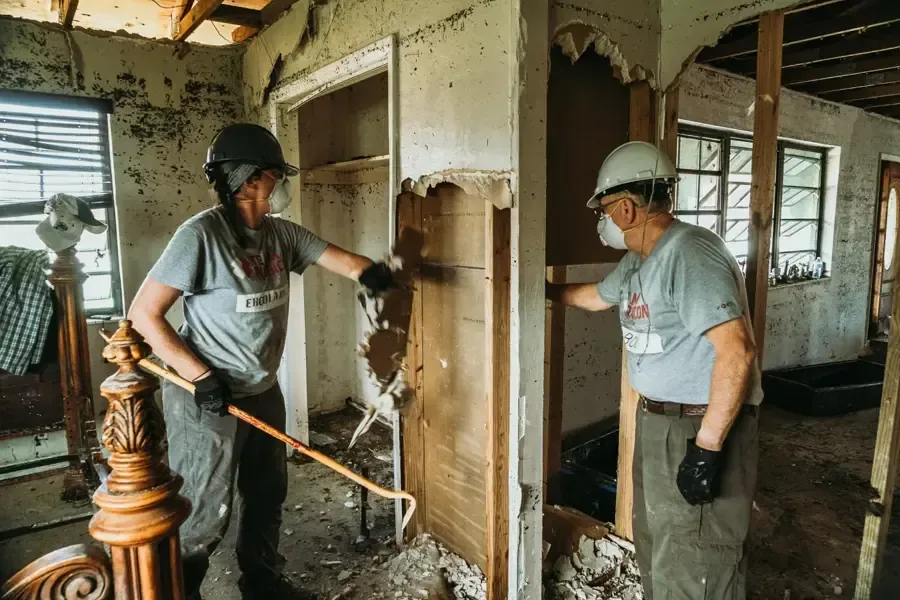
The October 5, 2015 storm provides a precise Temple City lesson: residents reported that a garbage can blocked a storm drain, Roseglen Street held about one and a half feet of water, and clearing the obstruction allowed water to flow into Easton Wash. That event supports blocked drain preparation without proving recurring flooding everywhere. Storm water cleanup in Temple City still starts with the building and current conditions.
What happened during the confirmed storm
A heavy rainstorm flooded several streets on October 5, 2015. The local report described deep water on Roseglen Street, a garbage can obstructing a storm drain, and drainage toward Easton Wash after the blockage moved. Los Angeles County Fire Department and Los Angeles County Public Works responded. These details make a useful documented example in how one blocked inlet can change street conditions. They do not show that every drain clogs, every street floods, or every property has the same runoff route.
Street water accumulated, a blocked drain was identified, and clearing the obstruction allowed water to move into Easton Wash. At a newly affected building, the crew follows runoff to the opening where it entered and checks whether that route remains active. Notes about the water level before and after clearing help distinguish ongoing entry from water left inside. Recovery equipment can then target the remaining indoor pools.
- Use the confirmed date and locations accurately
- Do not turn one obstruction into a citywide rule
- Keep agency response in historical context
- Assess each current entry opening independently
Why a cleared drain is only the outdoor step
Moving an obstruction may lower street water, but indoor materials can remain wet and contaminated. Runoff may have crossed soil and pavement, carried debris over a threshold, entered wallboard, or settled beneath flooring. The building response continues after outside water recedes. Occupants should stay away from wet electrical equipment, sagging finishes, and slippery contaminated surfaces. A property record needs both source timing and the indoor contact map so the later dry out is not mistaken for simple street drainage.
After exterior flow improves, the indoor inspection still checks every room reached by water. A clear street drain does not remove moisture already beneath flooring or inside a wall base. The crew maps those materials separately and follows their readings until the building condition is stable.
Preserve the first indoor evidence
Photographs should capture the doorway or wall opening, water level, soil patterns, contents, floor seams, and wall edges before extraction. The Temple City restoration hub helps distinguish extraction, storm cleanup, and structural drying, while the project file holds the event details. Wet contents remain tied to their original room, and clean travel routes stay protected. If water entered from more than one opening, each path receives a label and its own material boundary.
High-water marks can fade as surfaces dry or are cleaned. Before extraction changes them, the crew photographs their height relative to doors, baseboards, and fixed cabinets. A simple room sketch can connect those marks with damp contents and flooring transitions. This first record helps explain why an apparently dry adjacent space was tested or included in the work area.
- Record exterior and interior sides of the opening
- Keep wet belongings out of clean rooms
- Mark sediment concentration at edges and tracks
- Name any room that could not be entered

Remove water before fine debris
Pumps or extraction equipment reduce the liquid volume. Coarse material is contained so workers can reach the surface below. Fine sediment then comes out of joints, thresholds, corners, cabinet bases, and textured flooring. That order prevents tools from grinding soil farther into the finish and keeps air movement from distributing particles. Carpet, pad, wallboard, insulation, and absorbent trim are evaluated for contaminated contact rather than judged by whether they feel less wet after pumping.
Clean retained surfaces in detail
Concrete, framing, tile, and other durable materials may remain when they can be accessed and physically cleaned. Clear light inspection checks cracks, edges, fasteners, and floor to wall joints. Cleaning acceptance stays separate from moisture results because a retained surface must meet both conditions. Local storm mitigation places drying equipment only after the debris and cleaning work allow controlled airflow.
Cleaning is checked under ordinary lighting and, where useful, from more than one direction. Fine residue may remain in texture, grout lines, floor joints, or the lower edge of trim after broad wiping. The crew avoids declaring a surface complete while sediment is merely displaced. Rinse or wipe steps continue according to the material and the contamination assessment.
- Inspect tracks and narrow seams twice
- Document the boundary of porous removal
- Keep treatment steps after physical cleaning
- Photograph retained surfaces before equipment placement
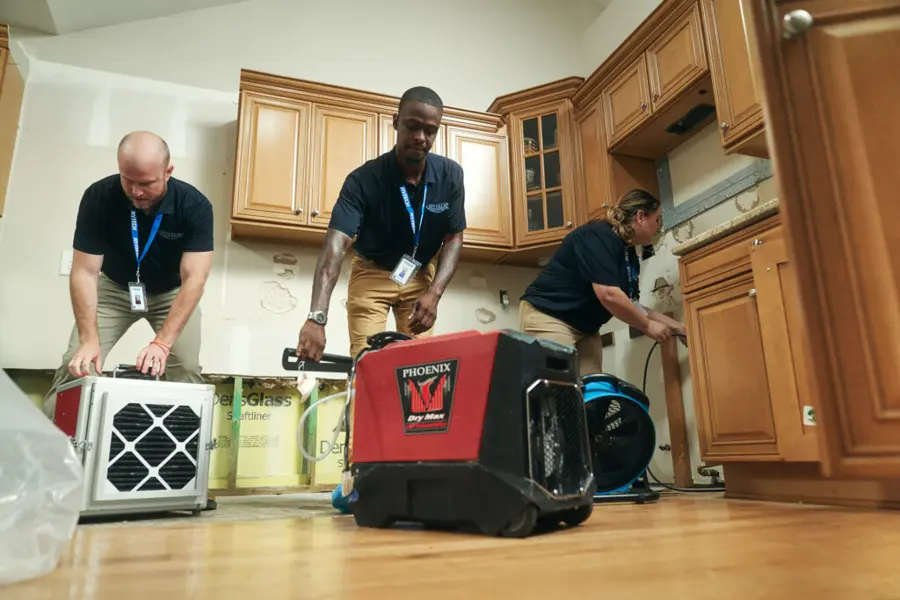
Use the Easton Wash fact carefully
Easton Wash received stormwater after the blocked drain was cleared. During cleanup, source notes track where runoff approached the building, when water stopped entering, and which openings need protection. Interior crews remove sediment and measure affected materials while the appropriate property or public works professionals address drainage correction. Keeping these tasks in separate records makes the next handoff clear: the entry route needs attention, and the wet rooms need cleaning and documented drying.
Build a closeout that can survive later questions
A complete file identifies the current weather event, entry points, rooms, water and debris recovery, discarded porous material, durable surface cleaning, equipment changes, and final readings. It also states temporary source controls and inaccessible areas. The water damage cost calculator can organize early questions, but actual scope comes from contact and material condition. The record should not claim a recurring citywide flood pattern from the 2015 case.
The closeout can also identify the point at which exterior flow stopped adding water. That time helps separate ongoing entry from moisture already held in the building. If rain resumes or a drain blocks again, a new observation should be added rather than altering the earlier record. A chronological file makes later questions easier to answer without claiming that the 2015 event repeats across the city.
- Use consistent labels from entry to closeout
- Separate outside drainage from indoor mitigation
- Keep cleaning and drying evidence distinct
- List every repair opening and limitation
Questions
Does the 2015 event prove Roseglen Street always floods?
No. It documents one heavy rainstorm and blocked drain report. Current conditions and official information must be assessed for any new event.
Why continue cleanup after street water drops?
Indoor sediment, contamination, and retained moisture remain after outside drainage improves. Materials need removal, cleaning, and measured drying.
Can a blocked public drain be blamed from an indoor puddle?
No. The source should be documented from observed evidence and appropriate agency findings rather than assumed from a past event.
What belongs in the final storm record?
Entry paths, photographs, water and sediment removal, material decisions, cleaning, readings, equipment changes, source status, limitations, and repair needs all belong.