Category three containment and cleanup

Sewage Cleanup in Anaheim, CA

Wastewater requires a controlled work zone, careful protective handling, removal of affected porous materials, detailed cleaning, and drying of the exposed structure that remains.

(888) 578-6508Set the sewage cleanup boundary
IICRC S500 drying standardTruck-mounted extraction24/7 dispatch
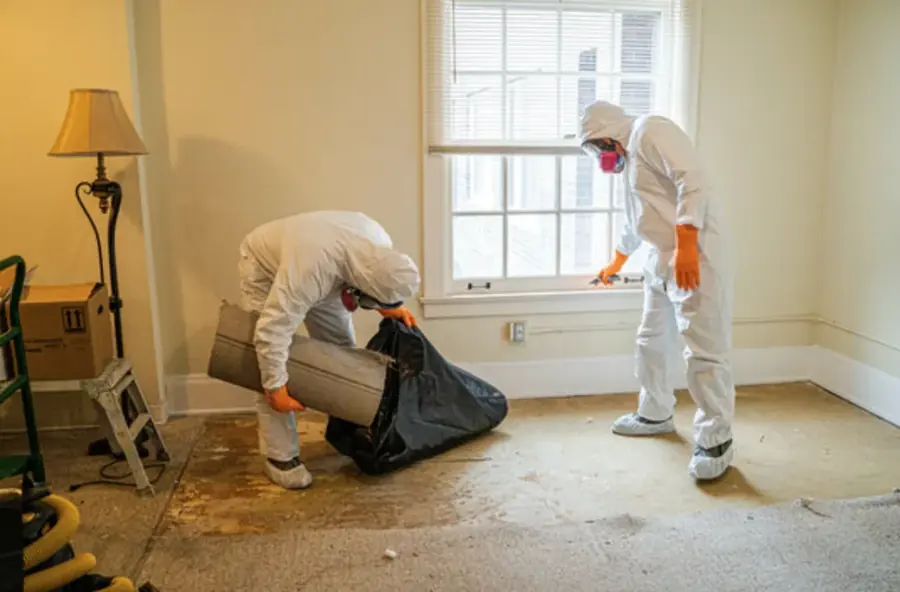
Technicians wearing protective suits during interior cleanup
Sewage cleanup priced by contamination extent
Water categorysewage contamination
First boundaryoccupied rooms excluded
Material decisionporous contact matters
Work orderremove clean dry
Right now

First steps for sewage and black water cleanup in Anaheim

  1. 1

    Exclude people and pets

    Keep everyone outside rooms contacted by sewage. Avoid wet electrical areas, unstable materials, and travel through contamination into clean living spaces.

  2. 2

    Record the contact boundary

    Photograph wastewater, debris, finishes, contents, and adjoining openings before extraction changes the zone. Name every room and material touched.

  3. 3

    Coordinate source control

    Arrange appropriate plumbing or agency response without assuming ownership of a private lateral. Keep source notes distinct from the cleanup record.

  4. 4

    Protect clean routes

    Set equipment entry, debris removal, and decontamination paths so tools, footwear, and porous waste do not cross through unaffected rooms.

How the work is done

The standard behind sewage and black water cleanup

  • Sewage is Category three water
  • Porous materials require careful evaluation
  • Cleaning occurs before structural airflow
  • Lateral ownership is not assumed
Get the drying started today
Typical cost ranges

What does sewage and black water cleanup cost in Anaheim, CA?

Sewage mitigation generally ranges from $2,800 to $12,000+. Contamination area, porous materials, access, debris handling, cleaning detail, monitoring, and structural drying determine the scope. Final cleaning verification completes the scope.

Contained sewage area

$2,800 to $3,000
  • Controlled room boundary
  • Wastewater and debris removal
  • Focused durable surface cleaning

Several affected spaces

$3,000 to $6,500
  • Protected transport route
  • Multiple removal areas
  • Separate cleaning verification

Complex contamination

$6,500 to $12,000+
  • Broad Category three contact
  • Extensive porous disposal
  • Longer structural verification

Typical ranges, not a quote. Room details can be entered in the water damage cost calculator.

Slip by slip

How sewage and black water cleanup is handled in Anaheim

  1. Slip 01

    Walkthrough and moisture map

    The tech who does the walkthrough finds the source and maps wet materials with thermal imaging and pinless meters before any sewage and black water cleanup equipment goes down.

  2. Slip 02

    Extraction

    The extraction crew pulls standing water with truck-mounted extraction, so it leaves the building instead of wicking into the next room.

  3. Slip 03

    Structural drying

    Air movers set to each room's evaporation load and LGR dehumidifiers pull moisture out of framing, drywall and the slab surface.

  4. Slip 04

    Verify and document

    Readings are logged daily. Equipment comes out when wet materials sit within 2 to 4 points of a dry reference, and the logs go in the claim file.

A sewage release is handled as contaminated water from the first doorway. In Orange Freeway corridor, Harbor Boulevard, Platinum Triangle, and the Harbor Boulevard, occupants and clean travel paths are protected before extraction equipment enters. Local water damage restoration covers clean water events, while this service centers on containment, material removal, cleaning, and drying.

Establish a controlled zone around the contact area

People and pets remain outside affected rooms. The response team identifies electrical, slip, and structural hazards, sets entry and exit procedures, and protects clean surfaces along the equipment route. Initial photographs document wastewater depth, debris, and contacted finishes without unnecessary movement through the area.

  • Openings toward kitchens, sleeping rooms, and other clean spaces are controlled.
  • Protective equipment matches the tasks performed inside the zone.
  • Wet contents remain separated from unaffected belongings.
  • Tools used for wastewater do not move into clean rooms without decontamination.
  • Source service is coordinated with the appropriate plumbing or public agency contact.

Remove liquid and porous material methodically

Pumping does not make absorbent material clean. Carpet, pad, wallboard, insulation, composite trim, and other porous products that contacted sewage are evaluated for controlled removal. Debris is contained before it travels through the building, and openings stop at a supported boundary.

The plumber or responsible agency identifies the affected sewer component and the corrective work. The cleanup report records that source information, where wastewater appeared, and the contacted materials. Those notes give the property parties a clear account to use when reviewing repairs and responsibility.

Clean durable surfaces before starting airflow

Concrete, framing, and other retained durable materials are physically cleaned to remove soil and organic residue. Corners, cracks, fasteners, and floor to wall joints receive detailed attention. Air movers do not operate across unclean contamination because that can spread particles beyond the work zone.

  • Visible debris is removed before a treatment step is considered.
  • Cleaning verification remains separate from moisture verification.
  • Retained material is inspected under clear lighting.
  • Drying equipment starts only after the zone is suitable for controlled air movement.
  • Structural drying after sewage tracks exposed wood and concrete.

Release the area with two kinds of evidence

A surface can be clean but wet, or dry but not acceptably cleaned. The closeout addresses both questions. It shows the original zone, removed porous material, cleaning work, moisture readings, equipment changes, and any inaccessible area before reconstruction begins.

  • Room labels remain consistent across photographs and logs.
  • Daily measurements begin after the contamination load is removed.
  • Final readings precede wallboard, insulation, flooring, and trim replacement.
  • Plumbing repair remains separate from mitigation and reconstruction.
  • The last inspection checks edges and protected travel routes for residual debris.

Commercial settings near Harbor Boulevard or the Angel Stadium may require phased access, while a residence needs protection of living areas. The contamination principles remain the same, but the zone plan follows the actual building and occupancy conditions.

Decontamination logistics continue after the visible wastewater is gone. Tools, extraction hoses, protective coverings, and reusable equipment are handled according to the zone plan before they leave. Waste containers remain closed along the protected route, and the work area is checked for tracked debris.

The final walkthrough uses the original boundary as a checklist. Door edges, seams, cabinet voids, wall openings, and equipment positions are examined so cleanup evidence matches the complete contaminated footprint. A separate drying result is then recorded for every retained material group.

Cleaning logs identify each retained surface, the inspection method, and any area requiring another pass before drying.

The released zone also receives a final protected route inspection.

Coverage

Sewage and Black Water Cleanup across Anaheim

Water damage restoration in Anaheim covers ZIPs 92801, 92805, 92808. Local areas include Harbor Boulevard, Platinum Triangle, Riverside Freeway, Orange Freeway, Angel Stadium, Disneyland Resort.

See every area and ZIP covered
Answers

Sewage and Black Water Cleanup questions in Anaheim

Why must occupants stay out?

Sewage can contain pathogens and debris. Restricting the area reduces contact and prevents contamination from being carried into clean rooms on shoes, tools, or contents.

Can carpet be dried after sewage contact?

Drying does not make contaminated porous material clean. Carpet and pad that contacted sewage are evaluated for controlled removal as part of the zone plan.

When can air movers start?

After wastewater, loose debris, and affected porous materials are removed and retained durable surfaces have been cleaned. Airflow across unclean material can spread contamination.

Who owns the private sewer lateral?

The property parties can examine connection records and the plumber or agency findings to determine responsibility. The cleanup report provides observed source conditions, water contact, source-control timing, and the work completed in each affected room.

How is cleaning different from drying?

Cleaning removes soil and contamination from retained surfaces. Drying removes moisture from the cleaned structure. Both need separate inspection and documentation before repair.

What should the final file contain?

It should show the original boundary, wastewater removal, porous debris, cleaning, daily moisture measurements, final readings, photographs, inaccessible areas, and remaining plumbing or repair work. <a href="/anaheim-ca/flash-flood-cleanup">Storm water cleanup</a> covers contaminated runoff from outdoors.

How are tools removed from the work zone?

The zone plan includes handling for extraction tools, hoses, reusable equipment, protective coverings, and waste containers. Items do not cross directly into clean occupied space. The final walkthrough checks travel routes and work edges for tracked residue, then documents decontamination and disposal steps separately from the retained structure drying record. That sequence keeps contaminated handling separate from clean equipment movement and gives the property record a clear path from initial exclusion through complete surface inspection and final moisture verification, with unresolved areas clearly identified.

Emergency water removal

Sewage and Black Water Cleanup in Anaheim? Start the dry-out now.

A safe shutoff stops new water. The drying team maps affected materials and begins extraction while occupants stay clear of wet outlets.

Call (888) 578-650824/7