Standing water removal and moisture mapping

Water Extraction in Anaheim, CA

Pumps and extraction tools address visible water first, while readings reveal where moisture crossed floor edges, partitions, cabinets, and lower levels.

(888) 578-6508Describe the wet area
IICRC S500 drying standardTruck-mounted extraction24/7 dispatch
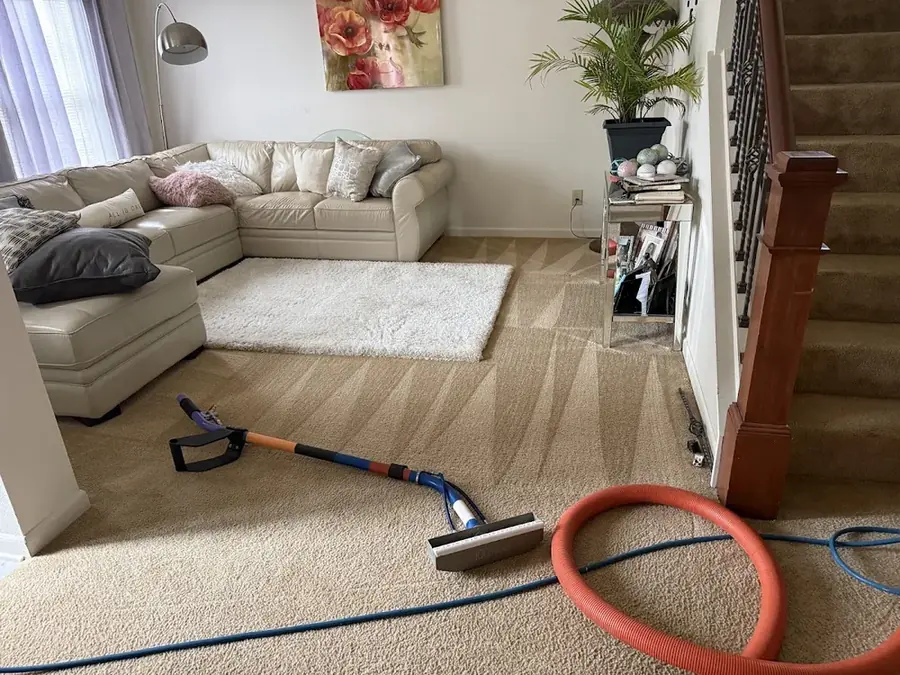
Extraction hoses and wand on a living room floor
Liquid removal before controlled evaporation
First objectivecontrol and recover water
Map beyonddoorways and floor seams
Category checksource and contact history
Next phasematerial-specific drying
Right now

First steps for water extraction and removal in Anaheim

  1. 1

    Stop additional water

    Use a safe shutoff or arrange source service, then identify whether rain, sewage, plumbing, or equipment produced the standing water.

  2. 2

    Document the initial boundary

    Photograph levels, rooms, floor transitions, contents, and visible damage before pumps or extraction tools change the condition.

  3. 3

    Recover accessible liquid

    Match equipment to the surface and category, working through low areas while protecting unaffected travel routes.

  4. 4

    Build the drying map

    Recheck walls, floors, cabinets, and lower levels after extraction, then mark materials that still require conditioning.

How the work is done

The standard behind water extraction and removal

  • Bulk water removal reduces the later drying load
  • Floor seams can carry water beyond the puddle
  • Outdoor runoff is handled as contaminated water
  • Final extraction passes follow material response
Get the drying started today
Typical cost ranges

What does water extraction and removal cost in Anaheim, CA?

Extraction cost depends on water depth, affected floor area, source category, surface type, access, contents, disposal needs, and how far water traveled beneath finishes or into adjoining rooms.

Focused recovery

$1,100 to $3,000
  • One accessible room
  • Direct tool access
  • Limited contents moving

Connected wet areas

$3,000 to $6,500
  • Several floor sections
  • Wall-edge measurements
  • Repeated extraction passes

Large contaminated loss

$6,500 to $12,000+
  • Isolated work zones
  • Debris and wastewater handling
  • Expanded moisture mapping

Typical ranges, not a quote. Room details can be entered in the water damage cost calculator.

Slip by slip

How water extraction and removal is handled in Anaheim

  1. Slip 01

    Walkthrough and moisture map

    The tech who does the walkthrough finds the source and maps wet materials with thermal imaging and pinless meters before any water extraction and removal equipment goes down.

  2. Slip 02

    Extraction

    The extraction crew pulls standing water with truck-mounted extraction, so it leaves the building instead of wicking into the next room.

  3. Slip 03

    Structural drying

    Air movers set to each room's evaporation load and LGR dehumidifiers pull moisture out of framing, drywall and the slab surface.

  4. Slip 04

    Verify and document

    Readings are logged daily. Equipment comes out when wet materials sit within 2 to 4 points of a dry reference, and the logs go in the claim file.

Standing water may look contained even after it has traveled beneath flooring or through a shared partition. A Harbor Boulevard tract house, a Platinum Triangle mixed-use property, and a building in Orange Freeway corridor present different access routes, yet each extraction starts by stopping new water and marking the observed boundary. Anaheim water-damage services cover the later drying work.

Choose recovery tools from depth and surface

Extraction equipment is selected after the crew identifies water depth, contamination, floor finish, and safe access. A hard-floor squeegee, carpet extraction tool, or pump serves a different condition. Removing liquid promptly reduces the amount that must evaporate through air movement and dehumidification.

  • Water level marks and room transitions are photographed before recovery changes the scene.
  • Carpet, pad, tile edges, resilient flooring, and exposed concrete receive separate checks.
  • Furniture bases and movable contents are inspected without dragging wet items through clean rooms.
  • Extraction proceeds toward low areas and known collection points rather than chasing surface shine.
  • Runoff and sewage require isolation and protective handling before equipment crosses the work zone.

Follow water after the puddle disappears

After bulk water removal, moisture checks continue along baseboards, cabinet toes, wall corners, thresholds, and rooms below the release. Near Harbor Boulevard, in the Platinum Triangle, or around the Santa Ana River area, the crew follows the building layout to reach connected spaces. Remaining wet layers are marked for selective access and structural drying.

  • Floor edges are compared with unaffected material of the same type.
  • Wallboard is measured at repeatable heights so changes can be tracked.
  • Cabinet bases receive attention when a kitchen or equipment release crossed beneath them.
  • Lower-level ceilings are inspected when gravity could carry water through penetrations.
  • Small access openings are considered only when readings show that a closed layer blocks inspection.

Separate clean-water recovery from contaminated-water work

A recent supply-pipe release can change after contacting dirty surfaces or remaining in materials. Exterior water can carry soil, and sewage demands a separate containment plan from the beginning. The category affects what may be cleaned, what must be discarded, and how tools move between zones.

  • Clean tools do not pass from a contaminated area into an unaffected room.
  • Porous debris is bagged or contained before transport through the property.
  • Durable surfaces receive cleaning suited to the source and contact conditions.
  • Wastewater handling is kept distinct from ordinary dry debris.
  • The daily record states why a material was retained, cleaned, or removed.

Hand the wet map to the drying phase

Once recoverable water is gone, the extraction crew records the remaining wet assemblies and the locations used for comparison. That map determines airflow, dehumidification, and selective access. Structural drying locally then follows material trends until retained components meet their documented target.

  • Initial and post-extraction readings show what liquid removal accomplished.
  • Equipment zones correspond to actual wet rooms rather than convenient outlets.
  • Airflow begins only after loose debris and unsafe surfaces are addressed.
  • Persistent water at a seam may prompt another extraction pass.
  • Final notes separate completed recovery from drying that remains in progress.

A thorough extraction file keeps the source, water category, work areas, removed volume observations, and moisture map connected. It also identifies spaces that appeared dry but received precautionary readings. That distinction helps prevent later repair work from covering a damp edge or cavity.

A final edge check follows extraction at doorways, cabinet ends, and floor transitions. Those narrow locations can hold a separate moisture pocket even when the broad walking surface has improved.

Coverage

Water Extraction and Removal across Anaheim

Water damage restoration in Anaheim covers ZIPs 92801, 92805, 92808. Local areas include Harbor Boulevard, Platinum Triangle, Riverside Freeway, Orange Freeway, Angel Stadium, Disneyland Resort.

See every area and ZIP covered
Answers

Water Extraction and Removal questions in Anaheim

Why measure after visible water is removed?

Liquid can remain beneath flooring, inside wall bases, below cabinets, and in rooms under the source. Post-extraction readings show which assemblies still need drying. They also distinguish a reflective or stained surface from material that continues to hold moisture.

Can carpet always be extracted and saved?

Retention depends on the source, contamination, backing, pad, condition, installation, and how long water remained. Clean-water carpet may sometimes be evaluated for recovery. Sewage or soil-bearing runoff changes handling, and saturated pad can require removal for access.

Does a pump remove water under flooring?

A pump removes accessible depth, not every concealed layer. Specialty extraction can draw water from some assemblies, but readings determine whether flooring edges, underlayment, or the substrate need further access. The crew does not assume a dry surface means a dry floor system.

What should be moved before extraction starts?

People should avoid electrical hazards and contaminated water. Safe, dry contents can be relocated after photographs document their position. Wet porous items should not be carried through unaffected rooms without containment because they can spread water and debris.

How is outdoor storm water handled?

Water arriving from outdoors can carry soil and other contaminants. The work area is isolated, porous materials are evaluated for removal, durable surfaces are cleaned, and extraction tools are managed within the contaminated zone. Parcel flood status is checked separately through official mapping.

When does drying equipment start?

Drying begins after accessible water, unsafe debris, and category concerns are addressed. Equipment placement follows the remaining moisture map. Daily material readings reference changes, and another extraction pass may occur if liquid collects at a seam or low point.

Emergency water removal

Water Extraction and Removal in Anaheim? Start the dry-out now.

A safe shutoff stops new water. The drying team maps affected materials and begins extraction while occupants stay clear of wet outlets.

Call (888) 578-650824/7