Uncommon cold weather pipe response

Frozen Pipe Cleanup in Charter Oak, CA

Frequent freezes are not claimed here, but a pipe in an exposed area can split during unusual cold and release water as the obstruction thaws.

(888) 578-6508Assess the thaw release
IICRC S500 drying standardTruck-mounted extraction24/7 dispatch
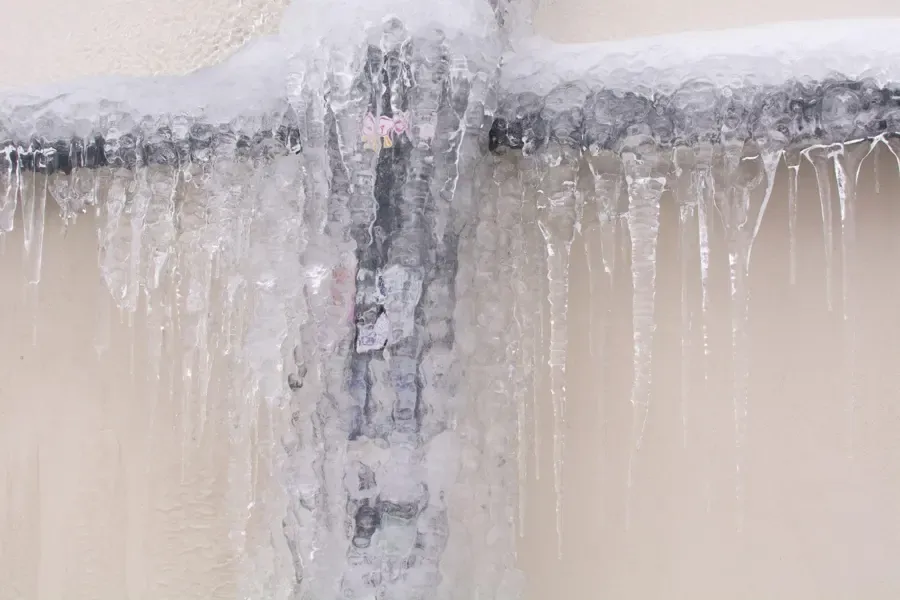
Ice coating exposed plumbing beneath an outdoor ledge
Thaw release work priced by spread
Local claimunusual cold only
Release timingoften during thaw
Hidden materialinsulation and cavities
Verificationtemperature aware readings
Right now

First steps for frozen pipe cleanup in Charter Oak

  1. 1

    Keep heat methods safe

    Do not use flame or uncontrolled high heat on a frozen pipe. Keep water away from electrical devices and arrange professional plumbing help. The initial record preserves that condition clearly.

  2. 2

    Prepare for delayed release

    Place protection and extraction tools before thawing because a split may begin leaking only when ice no longer blocks the opening.

  3. 3

    Map the accessible route

    Inspect insulation, walls, cabinets, flooring, and rooms below the pipe so water released during thaw has a complete boundary.

  4. 4

    Record temperature context

    Note surface temperature with moisture readings and repeat measurements after the building returns to normal conditions.

How the work is done

The standard behind frozen pipe cleanup

  • Frequent freezing is not claimed
  • Water may begin after thaw
  • Cold scans require direct confirmation
  • Post repair readings close the material record
Get the drying started today
Typical cost ranges

What does frozen pipe cleanup cost in Charter Oak, CA?

Frozen pipe cleanup often ranges from $1,400 to $12,000+. Pipe access, released water, insulation, cavities, temperature conditions, material removal, and monitoring shape the mitigation scope. Final material evidence completes the decision.

Focused area

$1,400 to $3,000
  • Accessible pipe area
  • Prepared liquid recovery
  • Focused insulation checks

Connected spaces

$3,000 to $6,500
  • Connected wall or ceiling
  • Several temperature comparisons
  • Multiple material zones

Complex loss

$6,500 to $12,000+
  • Complex concealed release
  • Broad insulation removal
  • Extended post thaw monitoring

Typical ranges, not a quote. Room details can be entered in the water damage cost calculator.

Slip by slip

How frozen pipe cleanup is handled in Charter Oak

  1. Slip 01

    Walkthrough and moisture map

    The tech who does the walkthrough finds the source and maps wet materials with thermal imaging and pinless meters before any frozen pipe cleanup equipment goes down.

  2. Slip 02

    Extraction

    The extraction crew pulls standing water with truck-mounted extraction, so it leaves the building instead of wicking into the next room.

  3. Slip 03

    Structural drying

    Air movers set to each room's evaporation load and LGR dehumidifiers pull moisture out of framing, drywall and the slab surface.

  4. Slip 04

    Verify and document

    Readings are logged daily. Equipment comes out when wet materials sit within 2 to 4 points of a dry reference, and the logs go in the claim file.

Frozen plumbing is treated as an unusual event, not a defining Charter Oak hazard. If a pipe along an exterior area near Arrow Highway, Bonnie Cove Avenue, or the South Hills edge splits, water may begin moving only after ice releases the opening. Local water damage services address the interior materials after safe plumbing control.

Avoid unsafe thaw shortcuts

Open flames and improvised high heat create fire, material, and pressure hazards. An accessible shutoff is used only when safe, and a plumber determines how the pipe is thawed and repaired. The mitigation crew prepares for water that may start suddenly when the blockage clears.

  • Power and heat sources remain away from uncontrolled water.
  • The pipe route is observed from accessible spaces.
  • Containers and extraction tools are ready before thawing proceeds.
  • Wall and ceiling surfaces are photographed before a leak appears.
  • Plumbing decisions remain outside the mitigation scope.

Follow the pipe route through insulation

Insulation can hide both the split and released water. Readings cover the source cavity, wall below, floor edge, cabinets, and any lower room. A cold thermal pattern is confirmed with a material instrument because low temperature can affect surface scans.

The dry riverbed and sandy soil description does not explain an indoor cold weather loss. The work stays focused on the observed pipe route and building materials rather than broad geographic assumptions.

Dry after temperatures normalize

Accessible liquid is extracted first. Failed insulation or wallboard may need controlled removal to expose framing. Air movement and dehumidification are arranged after unsafe debris is cleared, then material readings are compared as the building returns to ordinary indoor temperature.

  • Cold surfaces are not mistaken automatically for wet surfaces.
  • Insulation contact points receive repeat checks.
  • Inside corners and cabinets can lag behind open wall areas.
  • Burst pipe cleanup applies the same migration discipline after pressure release.
  • Equipment notes identify temperature changes that affect interpretation.

Recheck after the pipe returns to service

The original source cavity and rooms along the route are inspected again after repair and normal temperature return. A stable plumbing repair and a stable moisture trend answer separate questions. Both appear in the final record without claiming that future cold conditions are predictable.

  • Source observations remain separate from drying readings.
  • Fixed points show whether wood and wallboard continue improving.
  • Photographs identify removed insulation and exposed framing.
  • Inaccessible pipe spaces remain stated as limitations.
  • Finish repair begins after retained materials reach their goal.

The closeout explains the unusual cold context, safe source response, extracted areas, cavity access, temperature considerations, and last material results. It does not turn one event into a claim that freezing is frequent throughout the community.

Cold weather also changes how occupants describe the event. A cabinet may feel cold without being wet, while a thawing pipe can release water behind a wall before a visible drip appears. The crew separates touch and temperature observations from instrument readings, then records exactly when water became visible and when the source was controlled.

Insulation removed for pipe access is photographed by cavity. Retained wood and wallboard stay on the map until results stabilize after ordinary temperature returns. This avoids closing the wall based on readings taken while the assembly remains unusually cold.

The last wall and cabinet readings are taken after temporary heat sources and protection are removed, giving the assembly an ordinary condition for comparison.

Ordinary room conditions are noted beside those final readings.

Coverage

Frozen Pipe Cleanup across Charter Oak

Water damage restoration in Charter Oak covers ZIPs 91724. Local areas include Arrow Highway, Bonnie Cove Avenue, Walnut Creek, San Dimas Wash, South Hills.

See every area and ZIP covered
Answers

Frozen Pipe Cleanup questions in Charter Oak

Are freezes common in the community?

The service responds when an inspection identifies ice damage or a split water pipe. The team documents the exposure, failed connection, safe shutoff, and indoor water path before deciding where extraction and drying are needed.

Should a frozen pipe be heated with a flame?

No. Open flame and uncontrolled heat can damage materials and create fire or pressure hazards. A plumbing professional should determine safe thaw and repair methods.

Why might water start during thaw?

Ice can temporarily obstruct a split. When it releases, pressurized water may escape into insulation, walls, flooring, or the room below.

Can thermal imaging prove a surface is wet?

Cold surfaces can create temperature patterns without retained water. Direct material measurements and repeat checks after temperatures normalize provide better evidence.

What happens to wet insulation?

Its type, condition, contamination, accessibility, and ability to dry are evaluated. Saturated insulation may need removal when it blocks framing inspection or airflow.

Why inspect again after repair?

The second check confirms the source area remains stable and distinguishes renewed leakage from moisture still leaving building materials.

What should the record avoid?

The report should identify the failed pipe, source-control work, rooms reached by water, and final material readings. Photos of exposed connections and wet boundaries let the plumber and repair contractor follow the same locations.

Why wait for normal temperature before closing?

Cold can influence thermal patterns and some instrument interpretation. Readings taken after ordinary indoor temperature returns provide a better comparison for retained wood, insulation contact points, and wallboard. The source cavity is also observed again after plumbing service to check for renewed water. The closeout names that comparison condition and any cavity still inaccessible. That context supports the last comparison.

Emergency water removal

Frozen Pipe Cleanup in Charter Oak? Start the dry-out now.

A safe shutoff stops new water. The drying team maps affected materials and begins extraction while occupants stay clear of wet outlets.

Call (888) 578-650824/7