Standing water recovery by material

Water Extraction in Charter Oak, CA

Visible water is only the starting boundary because liquid can cross floor seams, enter wall bases, and collect beneath cabinets before extraction begins.

(888) 578-6508Start the recovery map
IICRC S500 drying standardTruck-mounted extraction24/7 dispatch
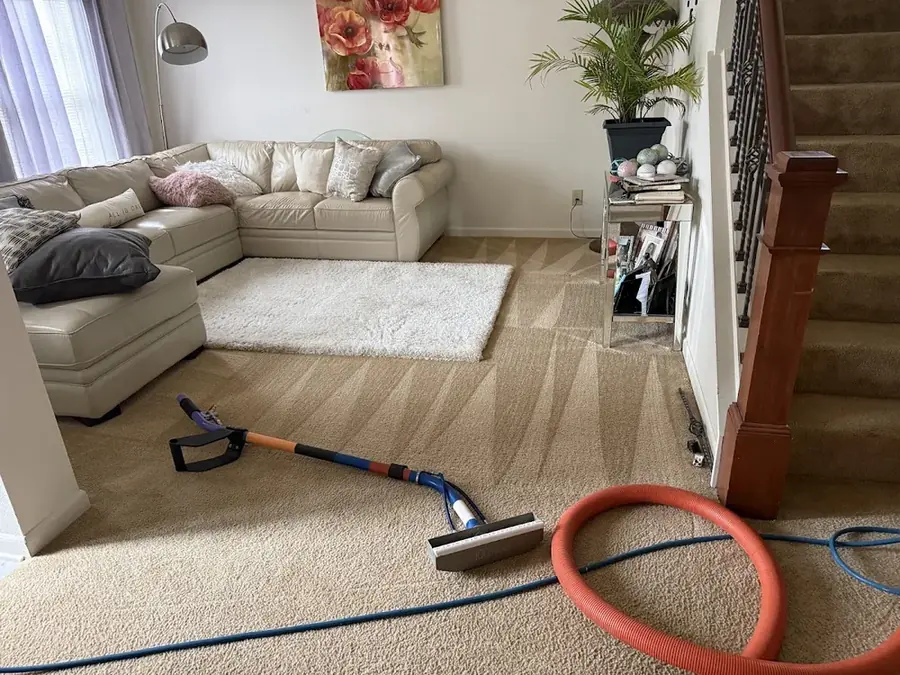
Extraction hoses and wand on a living room floor
Extraction scope priced by water reach
First taskcontrol the source
Recovery targetaccessible liquid
Hidden pathseams walls cabinets
Next stagemeasured evaporation
Right now

First steps for water extraction and removal in Charter Oak

  1. 1

    Keep the source controlled

    Use an accessible shutoff only when conditions are safe. Avoid wet electrical areas, sagging ceilings, contaminated water, and unstable flooring.

  2. 2

    Record the water edge

    Photograph rooms, contents, floor seams, cabinets, wall bases, and lower spaces before recovery changes the visible boundary.

  3. 3

    Separate clean and dirty routes

    Keep hoses, carts, debris, and wet contents from crossing through unaffected living areas or business spaces.

  4. 4

    Name every material zone

    List each surface and layer showing water so extraction and drying decisions remain tied to a repeatable location.

How the work is done

The standard behind water extraction and removal

  • Mechanical recovery lowers the later evaporation load
  • Material readings extend beyond visible water
  • Contamination changes entry and equipment decisions
  • A final edge pass checks for returning liquid
Get the drying started today
Typical cost ranges

What does water extraction and removal cost in Charter Oak, CA?

Water extraction commonly ranges from $1,100 to $12,000+. Water category, depth, affected materials, access, connected rooms, recovery methods, and drying needs determine the final scope. Final material evidence completes the decision.

Focused area

$1,100 to $3,000
  • Direct pump or wand work
  • Single mapped room
  • Limited edge detailing

Connected spaces

$3,000 to $6,500
  • Several floor sections
  • Cabinet and wall checks
  • Multiple recovery methods

Complex loss

$6,500 to $12,000+
  • Contaminated or broad water
  • Protected material removal
  • Extended extraction and drying

Typical ranges, not a quote. Room details can be entered in the water damage cost calculator.

Slip by slip

How water extraction and removal is handled in Charter Oak

  1. Slip 01

    Walkthrough and moisture map

    The tech who does the walkthrough finds the source and maps wet materials with thermal imaging and pinless meters before any water extraction and removal equipment goes down.

  2. Slip 02

    Extraction

    The extraction crew pulls standing water with truck-mounted extraction, so it leaves the building instead of wicking into the next room.

  3. Slip 03

    Structural drying

    Air movers set to each room's evaporation load and LGR dehumidifiers pull moisture out of framing, drywall and the slab surface.

  4. Slip 04

    Verify and document

    Readings are logged daily. Equipment comes out when wet materials sit within 2 to 4 points of a dry reference, and the logs go in the claim file.

Standing water near Arrow Highway can spread beneath a doorway before the room beyond looks wet. A release by Bonnie Cove Avenue may reach a cabinet base, while flooring near the South Hills edge can conceal a separate layer. The extraction crew marks those paths from property evidence, not from assumptions about local construction. Charter Oak restoration services connect water removal with later drying.

Define the safe recovery area

Source control and hazard screening come first. Wet electrical equipment, unstable ceilings, sewage, and outdoor runoff change how the area is entered. Photographs preserve water edges, contents, and material condition before pumps or wands alter the scene.

  • Each room receives a name that stays on photographs and readings.
  • Water category is recorded from the source and contact history.
  • Floor transitions are checked before equipment crosses them.
  • Contents are moved only after their position and condition are noted.
  • Clean travel routes remain separate from contaminated areas.

Match recovery to the surface

A hard floor, carpet system, cavity, and low spot do not release water the same way. The team chooses portable or larger recovery equipment for depth and access, then uses detail tools at edges and seams. Mechanical removal reduces the load that later dehumidification must handle.

Walnut Creek and San Dimas Wash are local drainage features. At a wet building, the crew checks indoor plumbing, appliances, roof openings, and runoff entry separately, then records the source and contacted materials. The cleanup method follows that inspection.

Look beyond the last visible puddle

After broad recovery, meter readings extend through wall bases, cabinets, floor layers, and rooms below. Thermal imaging can point toward temperature differences, but direct instruments confirm material conditions. A dry walking surface does not end extraction if liquid remains accessible in a seam or pad.

  • Carpet face and pad are evaluated as different materials.
  • Cabinet toe kicks and wall plates receive focused checks.
  • Flooring continues across thresholds until readings establish a boundary.
  • Lower ceilings are inspected where gravity created a possible route.
  • Structural drying nearby begins from this mapped area.

Hand off a smaller drying load

The extraction record states the source status, volume removed when measured, tools used, affected rooms, and areas still holding moisture. Air movers and dehumidifiers are placed only after unsafe debris and contamination are addressed. Equipment settings then follow the material map.

  • Repeat extraction occurs if liquid gathers at a low point.
  • Drying zones preserve access to fixed meter locations.
  • Daily photographs use the original room labels.
  • Material removal is explained by condition and access.
  • Final readings remain separate from repair completion.

Before the recovery stage closes, edges are inspected again because narrow channels can refill after pressure on carpet or flooring changes. The last pass gives the drying team a clear starting condition and prevents visible improvement from hiding recoverable liquid.

Recovery also accounts for how water behaves after the first pass. Pressure on carpet can bring moisture back to the surface, a cabinet void can drain slowly, and a floor seam can collect another small pool. The crew pauses, observes those areas, and repeats detail extraction where liquid remains accessible. That sequence reduces needless evaporation work and supplies a more accurate starting point for equipment calculations.

The final handoff names the surfaces that no longer yielded liquid and the layers still above their drying goal. It also records any room that could not be entered. This distinction prevents an incomplete inspection from being treated as a complete dry boundary.

Coverage

Water Extraction and Removal across Charter Oak

Water damage restoration in Charter Oak covers ZIPs 91724. Local areas include Arrow Highway, Bonnie Cove Avenue, Walnut Creek, San Dimas Wash, South Hills.

See every area and ZIP covered
Answers

Water Extraction and Removal questions in Charter Oak

Why measure after the puddle is gone?

Liquid can remain beneath flooring, inside carpet pad, along wall plates, and under cabinets. Direct readings show where extraction ends and controlled evaporation must continue.

Can furniture be moved immediately?

The original position and condition should be photographed first when safety allows. Moving an item can reveal more water, alter the visible edge, or spread contamination through clean space.

Does San Dimas Wash mean the property flooded?

No. A nearby flood control channel provides geographic context only. The source, entry path, official parcel information, and material contact at the building determine the response.

What happens to carpet and pad?

They are evaluated separately for water category, physical condition, access, and recoverability. The face may feel improved while the pad continues holding water against the floor.

Why might extraction happen more than once?

Water can drain from a cavity, collect at a floor low point, or release under pressure after broad recovery. A detail pass removes accessible liquid before equipment settings are finalized.

When does structural drying begin?

Drying begins after accessible water, unsafe debris, and category concerns are addressed. Airflow and dehumidification then work from the moisture boundary established during extraction.

What belongs in the extraction record?

It should identify source status, rooms, category, recovery methods, photographs, material readings, contents movement, removed items, and the conditions handed to the drying stage.

What changes when water returns after a pass?

The crew checks whether a cavity is draining, carpet pressure released more liquid, or a floor seam collected water. Accessible liquid is recovered again, and the drying map is updated. The event is recorded so later moisture changes are not mistaken for a new source.

Emergency water removal

Water Extraction and Removal in Charter Oak? Start the dry-out now.

A safe shutoff stops new water. The drying team maps affected materials and begins extraction while occupants stay clear of wet outlets.

Call (888) 578-650824/7