Contaminated water removal and cleaning

Sewage Cleanup in Charter Oak, CA

A sanitary backup requires occupant exclusion, controlled equipment routes, porous material decisions, and detailed cleaning. Contamination controls remain in place as the crew dries the structure that can safely remain.

(888) 578-6508Define the contaminated footprint
IICRC S500 drying standardTruck-mounted extraction24/7 dispatch
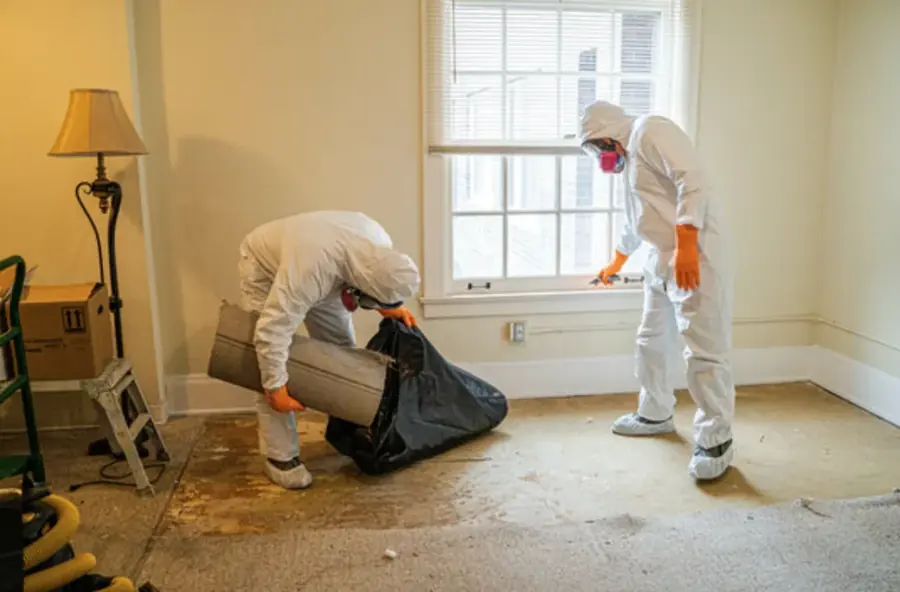
Technicians wearing protective suits during interior cleanup
Sewage work priced by contact area
Water classsewage contamination
First boundaryoccupied rooms excluded
Material ruleporous contact evaluated
Sequenceremove clean dry
Right now

First steps for sewage and black water cleanup in Charter Oak

  1. 1

    Close access to the contact area

    People and animals stay beyond the established boundary while electrical exposure, weak finishes, slippery surfaces, and wastewater depth are assessed.

  2. 2

    Capture the undisturbed footprint

    Images show liquid, residue, contents, openings, floor edges, and nearby dry space before recovery or debris handling changes the scene.

  3. 3

    Obtain source information separately

    Record the plumber or agency findings with the affected connection, source-control work, and time flow stopped. Keep that information beside the contaminated-room map and cleanup record.

  4. 4

    Design clean side movement

    Protective dressing, tool handling, contained waste, and reusable equipment follow a route that preserves separation from occupied rooms.

How the work is done

The standard behind sewage and black water cleanup

  • Sewage requires occupant exclusion
  • Porous contact drives removal decisions
  • Cleaning comes before airflow
  • Lateral ownership is not assumed
Get the drying started today
Typical cost ranges

What does sewage and black water cleanup cost in Charter Oak, CA?

Sewage mitigation generally ranges from $2,800 to $12,000+. Contact area, porous materials, access, debris handling, cleaning detail, structural drying, and verification determine the scope. Final material evidence completes the decision.

Focused area

$2,800 to $3,000
  • Contained sewage area
  • Controlled room boundary
  • Focused durable cleaning

Connected spaces

$3,000 to $6,500
  • Several affected spaces
  • Protected waste route
  • Multiple removal areas

Complex loss

$6,500 to $12,000+
  • Complex contamination
  • Broad porous disposal
  • Longer structural verification

Typical ranges, not a quote. Room details can be entered in the water damage cost calculator.

Slip by slip

How sewage and black water cleanup is handled in Charter Oak

  1. Slip 01

    Walkthrough and moisture map

    The tech who does the walkthrough finds the source and maps wet materials with thermal imaging and pinless meters before any sewage and black water cleanup equipment goes down.

  2. Slip 02

    Extraction

    The extraction crew pulls standing water with truck-mounted extraction, so it leaves the building instead of wicking into the next room.

  3. Slip 03

    Structural drying

    Air movers set to each room's evaporation load and LGR dehumidifiers pull moisture out of framing, drywall and the slab surface.

  4. Slip 04

    Verify and document

    Readings are logged daily. Equipment comes out when wet materials sit within 2 to 4 points of a dry reference, and the logs go in the claim file.

Sewage contamination changes the work at the first doorway. Near Arrow Highway, Bonnie Cove Avenue, Charter Oak Park, and the Walnut Creek valley, people and pets stay outside affected rooms while clean routes are protected. Local water damage response covers clean releases; this service centers on containment and cleaning.

Control movement through the affected area

The crew identifies electrical, slip, and structural hazards, then sets entry, exit, and waste routes. Initial photographs record wastewater, debris, contents, and contacted finishes without unnecessary traffic.

  • Openings toward clean rooms are controlled.
  • Protective equipment matches work inside the zone.
  • Wet contents remain separate from dry belongings.
  • Tools do not cross into clean space untreated.
  • Source work is coordinated with the appropriate professional.

Remove wastewater and absorbent debris

Liquid recovery is only one stage. Absorbent finishes that received wastewater are assessed by contact, cleanability, physical condition, and whether their interior can be inspected. Many require controlled disposal rather than drying in place. Contained debris follows the protected route, and openings stop at supported material.

A plumber or responsible sewer agency investigates the source and reports the corrective work. The cleanup file records that finding, the affected rooms, and when renewed flow stopped so removal and cleaning can proceed safely.

Clean durable material before drying

Concrete, framing, and other retained surfaces are physically cleaned. Corners, cracks, fasteners, and wall joints receive detail work. Air movers do not blow across unclean contamination.

  • Visible soil leaves before treatments are considered.
  • Cleaning verification remains separate from moisture readings.
  • Clear lighting supports the retained surface inspection.
  • Equipment begins only when the zone supports controlled airflow.
  • Structural drying tracks cleaned wood and concrete.

Close the area with two records

Surface acceptance and moisture completion answer different questions. Neither result can substitute for the other in the closeout. It shows the original boundary, porous removal, durable surface cleaning, material readings, and limitations.

  • Room labels stay consistent on photographs and logs.
  • Moisture monitoring begins after contamination is removed.
  • Final readings precede new finishes.
  • Plumbing repair remains separate from mitigation.
  • The protected route gets a final debris inspection.

Tools, hoses, protective coverings, and reusable equipment follow the decontamination plan before leaving. The final walkthrough revisits door edges, seams, cabinet voids, openings, and equipment positions so cleaning evidence matches the full contact area.

Reconstruction begins only after retained materials have both cleaning and drying documentation.

Porous material removal exposes edges that may extend beyond the original liquid boundary. The team inspects cut wallboard, framing faces, floor joints, cabinet voids, and fastener areas under clear lighting. If visible residue remains, cleaning continues before a moisture reading is used to advance the zone.

Waste handling stays part of containment from the moment material leaves the wall until it exits the property. Bags or containers remain closed, exterior transfer areas are protected, and reusable carts follow the decontamination procedure. These steps prevent a clean hallway from becoming part of the affected area.

After drying, another inspection confirms that equipment placement did not conceal debris or an unclean edge. The final report keeps cleaning acceptance, dry material results, plumbing work, and reconstruction as four separate project questions.

Cleaning acceptance includes more than broad visible surfaces. The crew inspects the underside of accessible ledges, wall plate faces, fastener holes, floor texture, and the edges created by material removal. Each area is checked before drying equipment changes the light, airflow, or access. If residue is found, the surface returns to cleaning instead of moving forward on moisture results alone. Waste records remain connected to the room and material where debris originated.

The controlled zone includes transition spaces where workers put on or remove protective equipment. Those areas are checked throughout the project so a clean side stays separate from the contaminated side. Supplies remain organized to avoid carrying packaging or unused tools into wastewater. When porous debris leaves, the route is inspected before the next load moves. At project end, transition protection is removed in a deliberate order, and the underlying floor receives a visual and moisture check. The record identifies this transition work separately from cleaning inside the primary contaminated rooms.

Because the community is unincorporated, the cleanup file avoids turning a county role into an unsupported claim about private plumbing responsibility. Los Angeles County Public Works Flood Control District has confirmed flood control context, but that fact does not identify a wastewater provider or decide who owns a lateral. Source documentation therefore uses neutral language: observed backup location, professional findings supplied for the property, and the time additional flow stopped. This narrow wording protects accuracy while the physical work proceeds through exclusion, removal, surface inspection, cleaning, and moisture control. Questions about system jurisdiction remain with the appropriate authority and outside the release decision for cleaned building materials.

Coverage

Sewage and Black Water Cleanup across Charter Oak

Water damage restoration in Charter Oak covers ZIPs 91724. Local areas include Arrow Highway, Bonnie Cove Avenue, Walnut Creek, San Dimas Wash, South Hills.

See every area and ZIP covered
Answers

Sewage and Black Water Cleanup questions in Charter Oak

Why close the affected rooms?

Wastewater can carry harmful organisms and debris. A defined boundary prevents people, pets, tools, and wet contents from spreading contact into the rest of the property.

What happens to absorbent flooring?

Carpet, pad, and similar materials are judged by wastewater contact, internal cleanability, condition, and access. Drying alone cannot establish that contamination was removed.

At what point may drying equipment operate?

Controlled air movement follows liquid recovery, packaged debris removal, and acceptance of the durable surfaces that remain. This order keeps residue from being distributed through the zone.

Does the cleanup company decide lateral responsibility?

Ownership questions belong with the property parties and responsible utility or agency. The mitigation file supplies photographs, connection locations, and reported source findings so that discussion has a clear record of the event.

Why are two completion checks needed?

One inspection addresses remaining soil and contamination on retained surfaces. Direct readings separately address water held by those cleaned materials. Both results precede reconstruction.

How are reusable tools handled?

Hoses, carts, extraction equipment, and protective components follow the designated transition area and decontamination procedure before they reach clean storage or occupied space.

Which records are delivered at the end?

The package identifies the original footprint, exclusion controls, recovered wastewater, discarded materials, surface detailing, equipment history, moisture results, waste handling, unobserved areas, and tasks still outside mitigation. It also records transition protection, tool decontamination, container movement, the inspection under removed barriers, and the person who received the release status. These details preserve the boundary from first exclusion through the handoff to plumbing and reconstruction contacts. The recipient can then distinguish contamination control, source work, structural drying, and reconstruction without treating any one record as proof that every separate task is complete.

Emergency water removal

Sewage and Black Water Cleanup in Charter Oak? Start the dry-out now.

A safe shutoff stops new water. The drying team maps affected materials and begins extraction while occupants stay clear of wet outlets.

Call (888) 578-650824/7