Tank release recovery and verification

Water Heater Cleanup in Charter Oak, CA

A tank release can run beneath flooring, enter wall bases, soak stored contents, and descend through openings before isolation is complete. Connected rooms need inspection even after the tank stops leaking.

(888) 578-6508Trace the tank water path
IICRC S500 drying standardTruck-mounted extraction24/7 dispatch
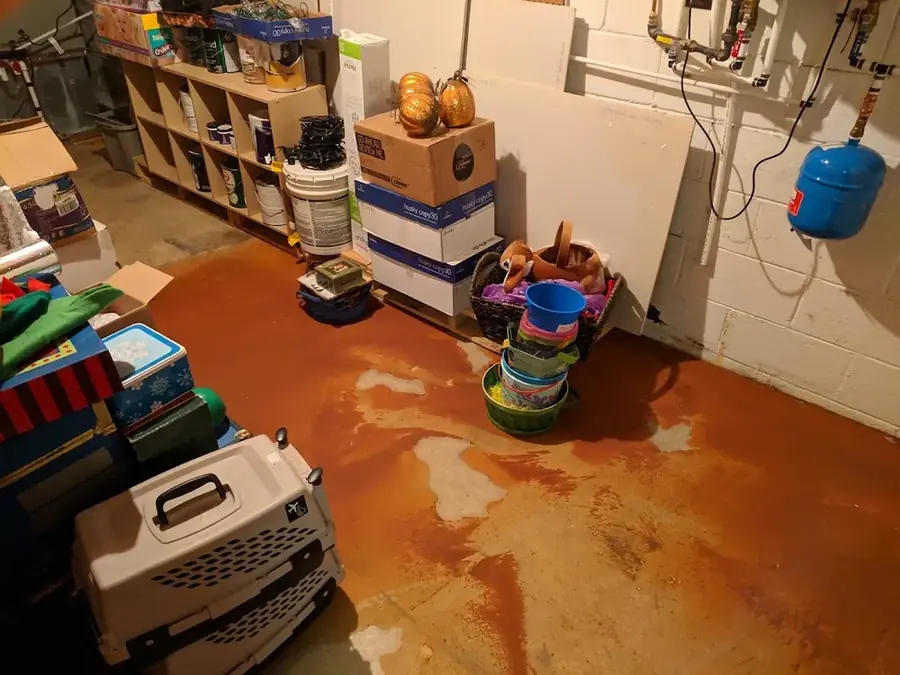
Water heater and recovery equipment on a wet utility room floor
Tank cleanup priced by migration
Sourcetank or connection
First needsafe isolation
Likely routefloor and wall edges
Handoffdry equipment surface
Right now

First steps for water heater failure cleanup in Charter Oak

  1. 1

    Control the source safely

    Use accessible controls only when safe, and keep away from water near electrical equipment or unstable finishes. Arrange plumbing service. The initial record preserves that condition clearly.

  2. 2

    Preserve the equipment scene

    Photograph the tank, pan, supports, connections, contents, water edge, walls, floor seams, and nearby rooms before movement.

  3. 3

    Inspect gravity routes

    Include cabinets, adjoining spaces, wall bases, floor transitions, and the room below in the material map.

  4. 4

    Keep the footprint available

    Do not cover the equipment surface until newly exposed points and connected materials have documented results.

How the work is done

The standard behind water heater failure cleanup

  • Tank replacement and mitigation are separate
  • The footprint can hide wet flooring
  • Rooms below require direct checks
  • Reinstallation follows material evidence
Get the drying started today
Typical cost ranges

What does water heater failure cleanup cost in Charter Oak, CA?

Water heater mitigation often ranges from $1,400 to $12,000+. Tank location, floor layers, cabinets, lower rooms, access, removal, monitoring, and drying needs determine the scope. Final material evidence completes the decision.

Focused area

$1,400 to $3,000
  • Tank area only
  • Focused liquid recovery
  • Nearby wall readings

Connected spaces

$3,000 to $6,500
  • Connected rooms
  • Floor transition mapping
  • Cabinet or ceiling checks

Complex loss

$6,500 to $12,000+
  • Complex equipment release
  • Broad concealed spread
  • Longer material verification

Typical ranges, not a quote. Room details can be entered in the water damage cost calculator.

Slip by slip

How water heater failure cleanup is handled in Charter Oak

  1. Slip 01

    Walkthrough and moisture map

    The tech who does the walkthrough finds the source and maps wet materials with thermal imaging and pinless meters before any water heater failure cleanup equipment goes down.

  2. Slip 02

    Extraction

    The extraction crew pulls standing water with truck-mounted extraction, so it leaves the building instead of wicking into the next room.

  3. Slip 03

    Structural drying

    Air movers set to each room's evaporation load and LGR dehumidifiers pull moisture out of framing, drywall and the slab surface.

  4. Slip 04

    Verify and document

    Readings are logged daily. Equipment comes out when wet materials sit within 2 to 4 points of a dry reference, and the logs go in the claim file.

A leaking water heater can hide moisture beneath its own footprint while water moves into a nearby room. Around Bonnie Cove Avenue, Arrow Highway, Charter Oak Park, and the Walnut Creek valley, tank placement changes which floors, cabinets, and lower areas require inspection. Charter Oak water damage help connects tank failures with the broader response.

Record the equipment area before replacement

A plumber controls, repairs, or replaces the source. When conditions allow, the crew photographs the tank, connections, pan, supports, water edge, contents, and nearby finishes before movement. Replacement and water mitigation remain separate tasks.

  • Safe shutoff status enters the record.
  • Standing water is recovered before access narrows.
  • Stored items remain grouped by original location.
  • Wall bases and floor seams receive initial readings.
  • The space below is checked where openings create a route.

Trace water outside the visible footprint

Water can travel under resilient finishes, soak carpet pad, collect behind trim, or wick into cabinet panels. Measurements move outward by material until they meet a suitable dry comparison. A small pool beside the tank does not define the boundary.

No common foundation or private pipe material is assigned to the community. The report states only the floor, wall, and plumbing details observed at the loss.

Use access that preserves useful evidence

Baseboard, toe kicks, or a limited floor section may need removal when they block inspection and evaporation. The smallest useful opening comes first. Broader work follows only when material condition or readings support it.

  • Cabinet ends are checked independently from walls.
  • Floor transitions show whether another finish system is wet.
  • Insulation is evaluated in enclosed equipment walls.
  • Lower ceilings receive their own map.
  • Structural drying service manages moisture after extraction.

Inspect the newly exposed tank footprint

Once the old tank moves, supports, pan edges, connections, and floor seams become accessible. Those points join the original map. Drying equipment is not removed until the footprint and connected materials show stable results.

  • Daily readings return to the same locations.
  • Photographs show the surface before new equipment arrives.
  • Removed finish is listed by room and material.
  • Any inaccessible layer stays in the closeout.
  • Reinstallation does not substitute for drying evidence.

The responsible local authority can clarify permit requirements for the proposed plumbing work before tank replacement or changes to connections begin. The mitigation record stays focused on released water, affected building materials, safe access, and the documented condition handed to plumbing and finish trades.

Nearby contents return only after the supporting surfaces and travel route have been checked.

Tank movement can also change the floor load and reveal material damage that was hidden under supports. The crew distinguishes a stain, finish deformation, and an elevated moisture reading rather than treating them as the same condition. Each finding is photographed at the newly accessible footprint before extraction or finish removal continues.

If water reached stored contents, their handling remains linked to the equipment room. Dry belongings are separated, wet items are listed, and the support surface beneath them is measured. This avoids returning storage to a damp corner that appears clear only because the items were moved.

The water heater room receives a final access check after plumbing tools and old equipment leave. That pass confirms no wet floor edge, wall point, or storage surface was hidden by the replacement process. Photographs preserve the clear footprint for later finish work.

The clear footprint is measured once more before handoff.

The tank room is released with its access path clear.

Coverage

Water Heater Failure Cleanup across Charter Oak

Water damage restoration in Charter Oak covers ZIPs 91724. Local areas include Arrow Highway, Bonnie Cove Avenue, Walnut Creek, San Dimas Wash, South Hills.

See every area and ZIP covered
Answers

Water Heater Failure Cleanup questions in Charter Oak

Does tank replacement finish cleanup?

No. Replacement controls the source. Extraction, material access, structural drying, and final readings address water released before plumbing work ended.

Why inspect beneath the tank?

The equipment footprint can conceal water at supports, pan edges, connections, and floor seams. Those points become accessible after movement.

Can nearby cabinets stay?

Panels are evaluated for condition, contamination, strength, access, and drying response. Swollen composite material may require removal.

Who answers permit questions?

The responsible building office can explain requirements for the proposed work. The owner or installer should describe the tank replacement, altered connections, and any associated structural or electrical repair when seeking that guidance.

Why inspect the room below?

Water can follow penetrations, walls, and floor openings. A lower ceiling may hold moisture without visible dripping.

When can another heater be installed?

Plumbing scheduling is separate, but the supporting surface should be documented and unfinished mitigation points kept accessible.

What belongs in the closeout?

Source status, photographs, extraction, material openings, equipment changes, fixed readings, exposed footprint conditions, limitations, and remaining repairs should appear.

How are stored contents handled?

Their original position and condition are photographed before movement when safe. Wet and dry items remain separated, and the floor or wall behind storage receives direct readings. Contents return only after the supporting surfaces have a documented condition and do not block the final equipment footprint check. The closeout also identifies the plumbing handoff, the condition beneath removed equipment, contents locations, materials still awaiting repair, and any point that could not be measured before reinstallation. This prevents plumbing activity from hiding a final wet point. Final photographs show the exposed footprint and room edges. It remains traceable.

Emergency water removal

Water Heater Failure Cleanup in Charter Oak? Start the dry-out now.

A safe shutoff stops new water. The drying team maps affected materials and begins extraction while occupants stay clear of wet outlets.

Call (888) 578-650824/7