Laundry and kitchen water cleanup

Appliance Leak Water Damage in Corona, CA

Water from a washer, dishwasher, refrigerator, or supply connection can pass beneath cabinets and flooring well before the visible leak reaches an open room.

(888) 578-6508Address the appliance leak
IICRC S500 drying standardTruck-mounted extraction24/7 dispatch
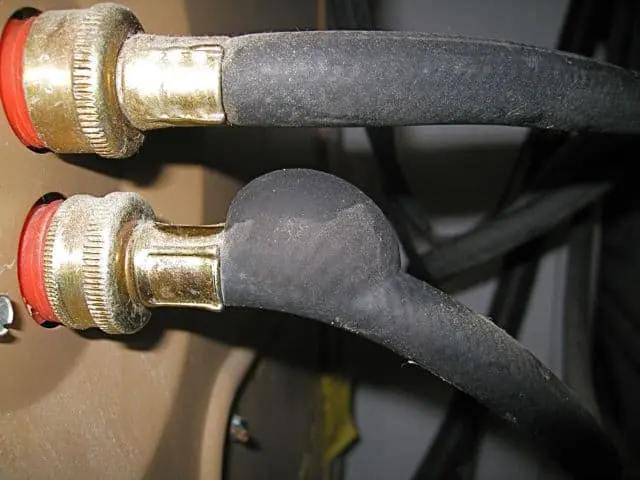
Bulging washer supply hose beside a second connection
Check below and behind the appliance
Typical sourceswasher, dishwasher, refrigerator
Hidden routeunder cabinets and floors
Source taskrepair appliance or connection
Mitigation taskmap and dry materials
Right now

First steps for appliance leak water damage in Corona

  1. 1

    Stop the appliance release

    Close an accessible supply when safe, avoid wet electrical components, and arrange appliance or plumbing repair for the failed part.

  2. 2

    Map concealed edges

    Measure beneath toe kicks, along cabinet panels, behind the appliance, across floor seams, inside shared walls, and in any room below.

  3. 3

    Recover and evaluate

    Extract accessible water, identify discharge cleanliness, and document swelling, separation, contamination, or layers that block drying.

  4. 4

    Dry before reinstalling

    Monitor cabinets, floors, and walls at labeled points and wait for documented substrate conditions before the appliance and finishes return.

How the work is done

The standard behind appliance leak water damage

  • Owner and renter housing both occur locally
  • Unit-to-unit claims need separate documentation
  • Appliance repair and water mitigation differ
  • Floor seams can conceal migration
Get the drying started today
Typical cost ranges

What does appliance leak water damage cost in Corona, CA?

Typical local appliance leak water damage runs $1,100 to $4,900. Appliance type, discharge cleanliness, cabinet access, floor migration, affected rooms, and drying duration determine the actual scope.

Small appliance area

$1,100 to $3,000
  • Recent limited release
  • Accessible floor surface
  • Focused cabinet checks

Kitchen or laundry spread

$3,000 to $4,900
  • Water beneath finishes
  • Toe-kick or wall access
  • Repeated material readings

Multi-room migration

$4,900 to $12,000+
  • Shared wall or lower level
  • Broad flooring involvement
  • Expanded drying and records

Typical ranges, not a quote. Room details can be entered in the water damage cost calculator.

Slip by slip

How appliance leak water damage is handled in Corona

  1. Slip 01

    Walkthrough and moisture map

    The tech who does the walkthrough finds the source and maps wet materials with thermal imaging and pinless meters before any appliance leak water damage equipment goes down.

  2. Slip 02

    Extraction

    The extraction crew pulls standing water with truck-mounted extraction, so it leaves the building instead of wicking into the next room.

  3. Slip 03

    Structural drying

    Air movers set to each room's evaporation load and LGR dehumidifiers pull moisture out of framing, drywall and the slab surface.

  4. Slip 04

    Verify and document

    Readings are logged daily. Equipment comes out when wet materials sit within 2 to 4 points of a dry reference, and the logs go in the claim file.

An appliance leak often begins in a place that is difficult to see. A washer hose near Downtown Corona, dishwasher connection around Grand Boulevard, or refrigerator supply in western neighborhoods can wet a floor edge before water emerges. Properties in the Temescal Valley area still require the same direct inspection. Local extraction removes surface water while the hidden path is measured.

Control the source without moving a hazard

A reachable supply valve can limit a clean-water release, but occupants should not step through water near electrical cords, outlets, or the appliance connection. A qualified appliance or plumbing professional handles diagnosis and repair. The mitigation team photographs the starting condition and documents water outside the equipment.

  • Power stays undisturbed when plugs or receptacles are wet.
  • The appliance is not pulled across a wet floor casually.
  • Hose, valve, drain, and pan conditions are recorded.
  • Repair notes remain distinct from moisture documentation.
  • Contents move after photographs when conditions permit.

Inspect the footprint that cabinets conceal

Dishwashers and refrigerators sit within cabinet runs, while washers can release behind a machine or beneath a base. Water may pass under toe kicks, through finish seams, or into a shared wall. The inspection starts at the connection and expands until comparable dry materials establish an outer boundary.

  • Toe kicks and cabinet end panels receive moisture checks.
  • Flooring is measured behind and beside the appliance.
  • Wall bases are inspected on both sides of a partition.
  • Rooms below are checked after an upper-level release.
  • Swelling and separation are recorded before removal.

Match material decisions to water and condition

A recent supply leak differs from dishwasher discharge or old water trapped beneath a finish. Category, duration, cleanliness, delamination, and access affect what can remain. Surface extraction reduces the water load, then limited openings can expose a floor or wall layer that would otherwise stay sealed.

  • Carpet and pad are evaluated separately.
  • Composite cabinets are checked for edge swelling.
  • Floating floors may spread water beyond the appliance bay.
  • Contaminated discharge changes cleaning and removal choices.
  • Removed materials receive room and location labels.

Dry before reinstalling equipment and finishes

Airflow targets exposed wet surfaces, and dehumidification manages vapor released from floors, cabinets, and walls. Daily readings return to the same points. Installing an appliance or closing a cabinet opening too soon can hide a material that has not met the established dry comparison.

  • Equipment allows safe access for source repair.
  • Slow cabinet bases receive separate monitoring.
  • Floor transitions are rechecked after surface recovery.
  • Local structural drying tracks the assembly to completion.
  • Final notes identify what was removed and retained.

An appliance leak in a rental needs coordinated access between the resident, owner, and manager. Shared photographs and room labels help each contact follow the wet boundary. The cleanup record identifies the appliance, source-control status, affected layers, and any access delay so the next inspection can pick up at the same locations.

Repeated appliance use should wait for confirmed source repair. A dishwasher test cycle or washer fill can release new water into a partially dried assembly if the wrong component was addressed. The repair professional controls functional testing, while the mitigation team watches adjacent materials for renewed elevation. Documenting the test status and later readings helps distinguish a successful repair from a continuing leak. It also prevents normal appliance operation from silently resetting progress beneath cabinets or flooring.

Rechecking after an authorized test protects the newly dried cabinet and floor edges from an unnoticed repeat release.

Coverage

Appliance Leak Water Damage across Corona

Water damage restoration in Corona covers ZIPs 92877, 92878, 92879. Local areas include Downtown Corona, Grand Boulevard, Temescal Valley, Santa Ana River.

See every area and ZIP covered
Answers

Appliance Leak Water Damage questions in Corona

Should the appliance be moved immediately?

Not if water contacts power or moving it could damage wet flooring and connections. The starting condition should be documented and qualified help arranged.

Can water hide beneath cabinets?

Yes. Toe kicks, end panels, and appliance bays can conceal water that traveled below the visible floor. Meter checks and limited access locate it.

Is dishwasher water treated like a supply leak?

Not automatically. Discharge cleanliness, food residue, duration, and materials touched affect cleaning and removal decisions.

Who repairs the appliance?

An appliance or plumbing professional diagnoses and repairs the machine, hose, valve, or connection. Mitigation handles water in the building.

Can flooring remain in place?

It depends on material condition, water category, and drying access. Separated, swollen, contaminated, or trapped layers may require controlled removal.

What should renters document?

Photographs, source status, affected rooms, contents, communications, and material readings create a useful record without deciding responsibility.

When can the appliance be tested again?

The repair professional controls functional testing. Nearby materials should be observed afterward so renewed leakage is separated from moisture already under mitigation. The test and observation are documented separately from the earlier leak so any new water is recognized immediately and does not distort the drying trend.

Why check the opposite side of a wall?

A hose or drain release can pass through a penetration into the shared partition. Readings on both accessible faces show whether the path crossed it. Cabinets, baseboards, and floor seams on that side are compared with the source side, with inaccessible sections clearly identified in the record. That comparison remains part of the final room record for repair planning.

Emergency water removal

Appliance Leak Water Damage in Corona? Start the dry-out now.

A safe shutoff stops new water. The drying team maps affected materials and begins extraction while occupants stay clear of wet outlets.

Call (888) 578-650824/7